Navajo Nation Pushes Back on IHS Realignment, Demands Tribal Consultation
Jonathan Nez said tribal leaders felt the IHS restructuring was "already a done deal" — a plan that could reshape healthcare at Gallup Indian Medical Center.
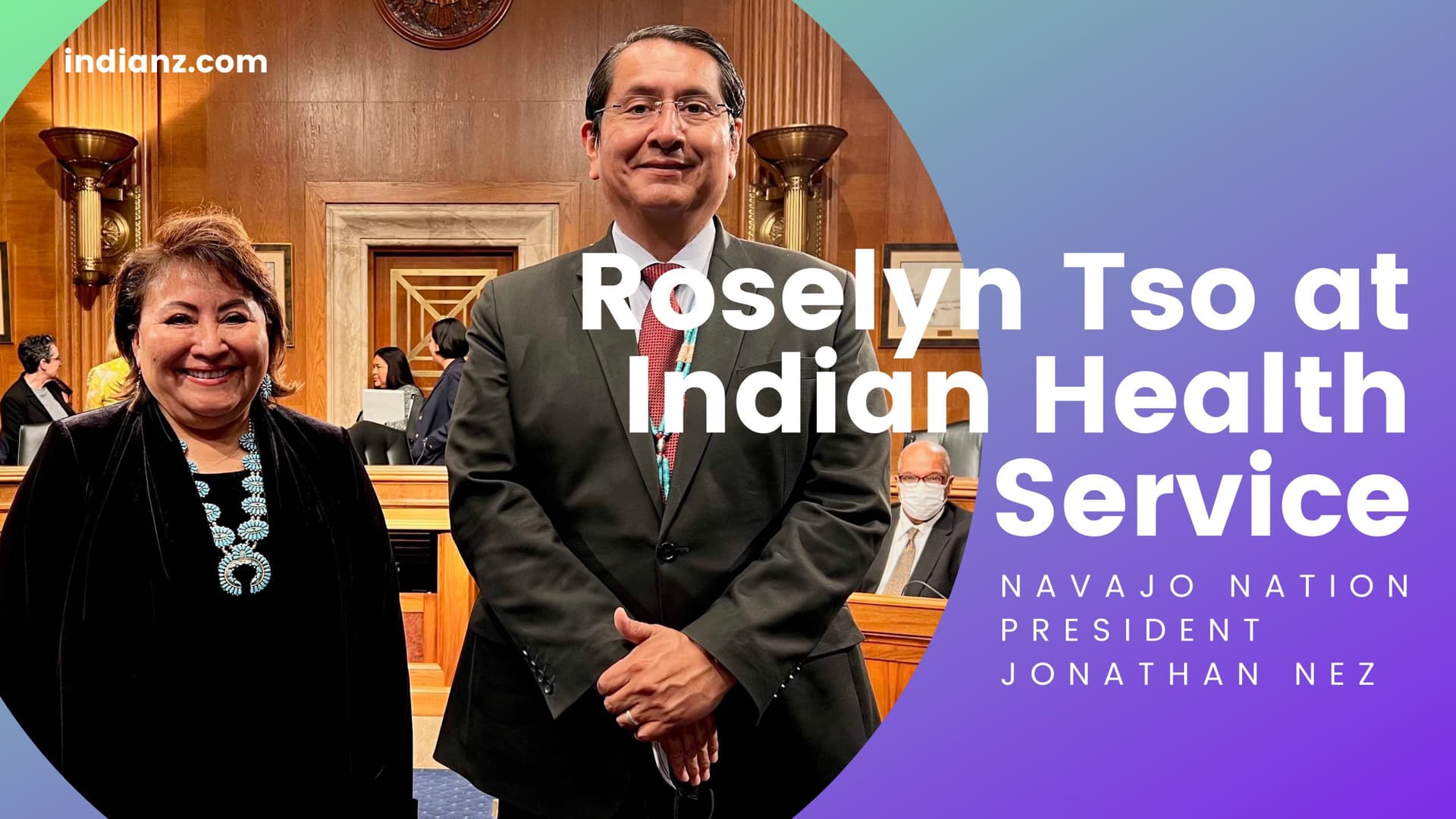
When Jonathan Nez walked out of a recent Indian Health Service consultation session, he wasn't convinced the federal agency had come to listen. "They say this was a tribal consultation where IHS came out to listen to what the tribal leaders' comments are," Nez said. "But based on the presentations we received, I think many tribal leaders felt like it was already a done deal."
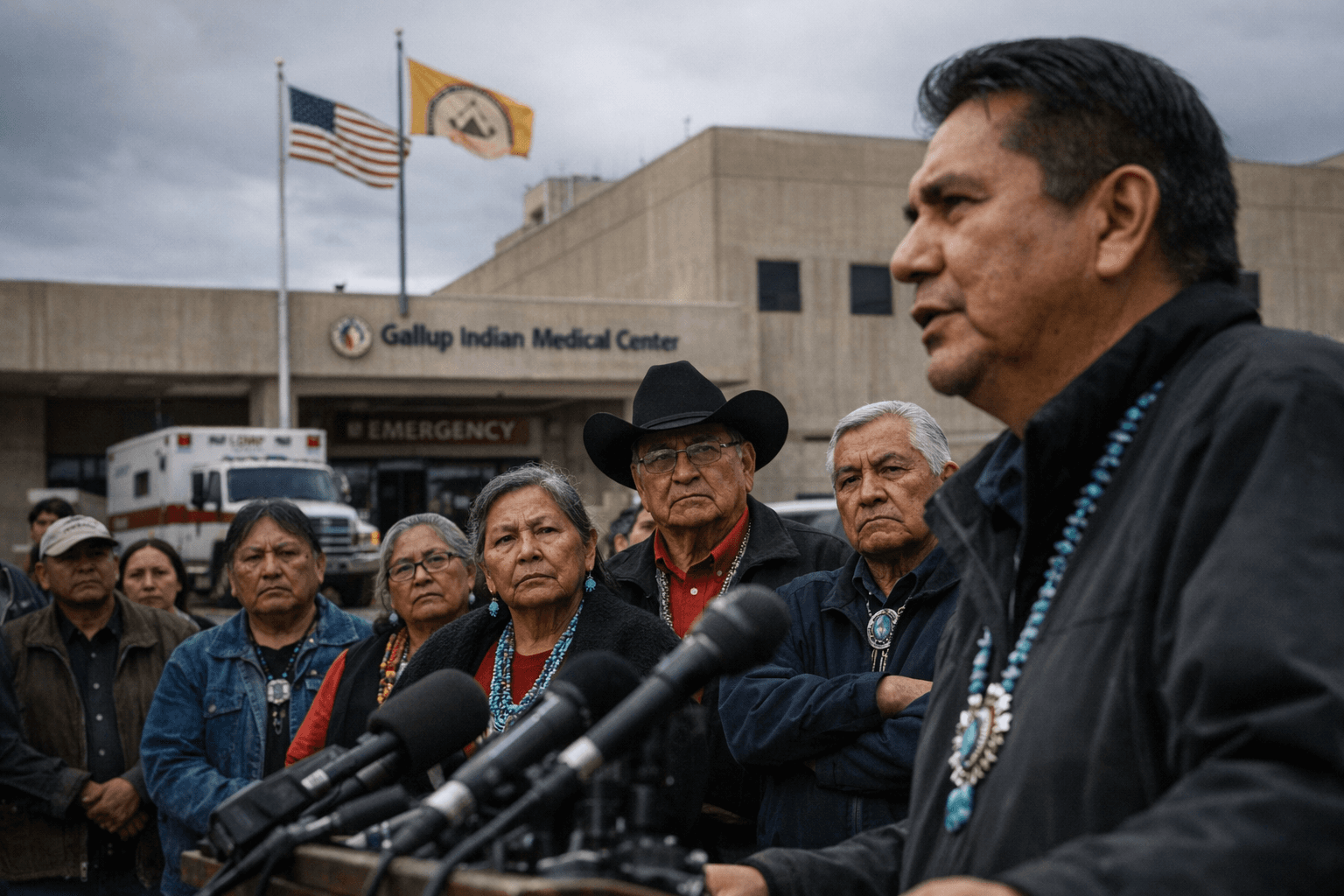
That frustration sits at the center of a growing dispute over IHS's proposal to consolidate its 12 regional offices into three, a structural overhaul the agency says will modernize operations and strengthen tribal self-governance. Navajo and other tribal leaders counter that the changes could weaken direct services and reduce tribal influence over health care delivery at a moment when planning for a new Gallup Indian Medical Center is already underway.
Navajo Nation President Buu Nygren traveled to Flagstaff on January 5 to meet directly with IHS leadership, pressing the agency on what its realignment would mean for tribal communication, coordination, and the day-to-day delivery of health services. The Office of the Navajo Nation President, in a statement posted January 7, said discussions at that meeting "emphasized the importance of improving internal coordination and ensuring consistent, transparent communication across the agency."
IHS expanded its consultation schedule in early January after tribes and Urban Indian Organizations requested more opportunities for input, adding both in-person and virtual sessions to the existing process. In its Realignment Frequently Asked Questions document, updated December 10, 2025, the agency argued that the restructuring reflects a fiscal reality: 65 percent of the IHS budget is now directly operated by tribes, and that share is growing. The agency said consolidating to three regional offices would create a "more patient-centered, self-determination-driven, operationally efficient, and fiscally sustainable" system.
IHS has sought to reassure tribes that area offices will remain the primary points of contact for tribal communities. The agency's FAQ states that area directors "will continue to be critical to agency and will serve in a Tribal relations role as the primary, local-level point of access to the agency for Tribes, Tribal organizations, UIOs, state and local governments and community members," with reporting lines to headquarters changing but local activities staying in place.
Tribal leaders remain skeptical. The concerns carry particular weight in Gallup, where the planning for a new Gallup Indian Medical Center is advancing alongside the realignment debate, and where any shift in how IHS structures its regional authority could directly affect how the new facility is governed, staffed, and supported. The sources of funding, the construction timeline, and the formal planning documents for the new GIMC have not been publicly released, leaving the facility's future tied, at least in part, to decisions still being contested in consultation rooms.
This article was produced by Prism’s automated news system from verified source data, official records, and press releases, then run through automated quality and moderation checks before publishing. The system is built and supervised by the people who set the standards it runs under. Read our full AI policy.
Did this article answer your question?