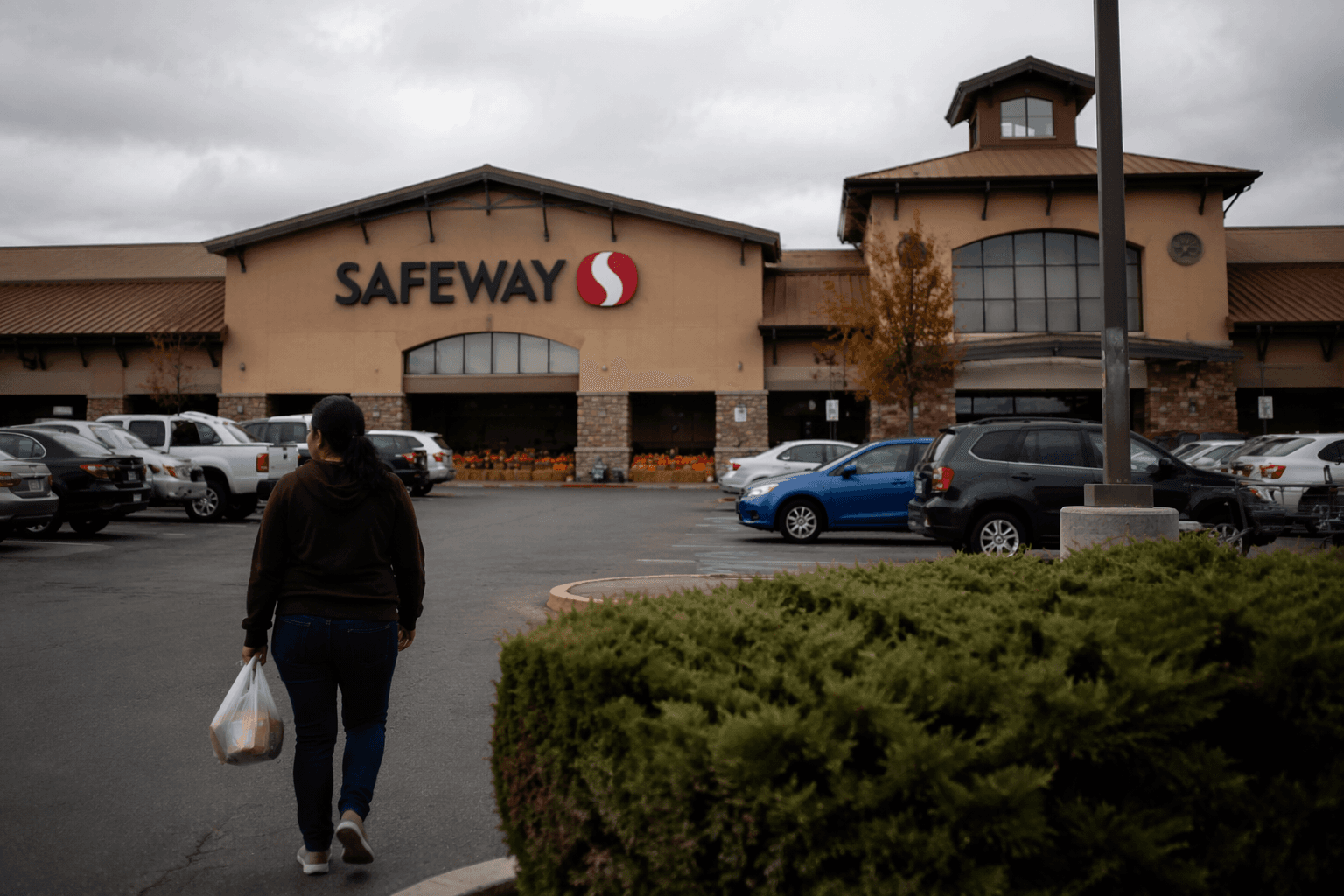
Navajo Nation Turns to Ancestral Foods to Fight Rising Diabetes Rates
The CDC says roughly half the Navajo Nation has prediabetes. In McKinley County, two local programs are putting traditional corn, beans, and squash back on the table as medicine.
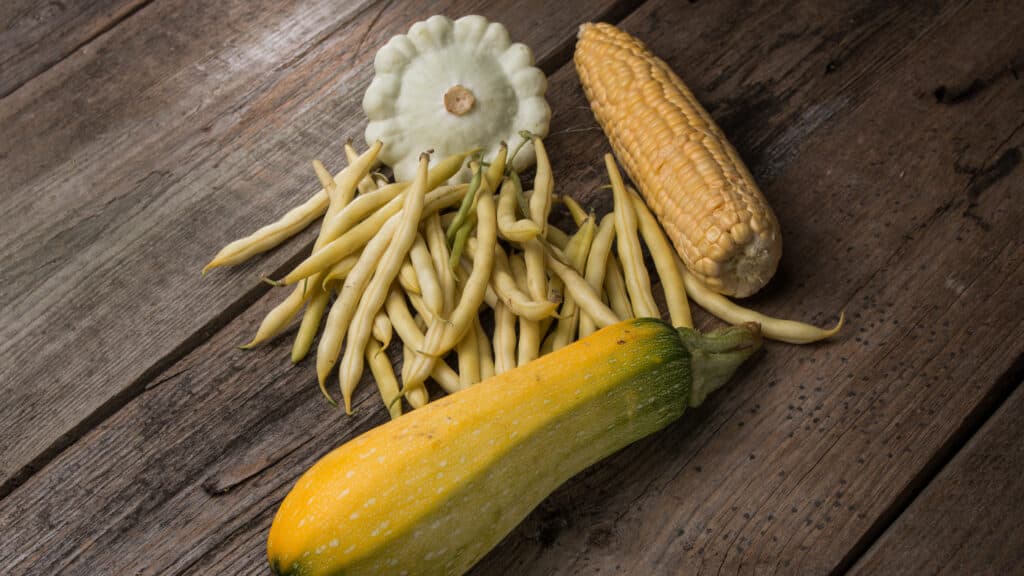
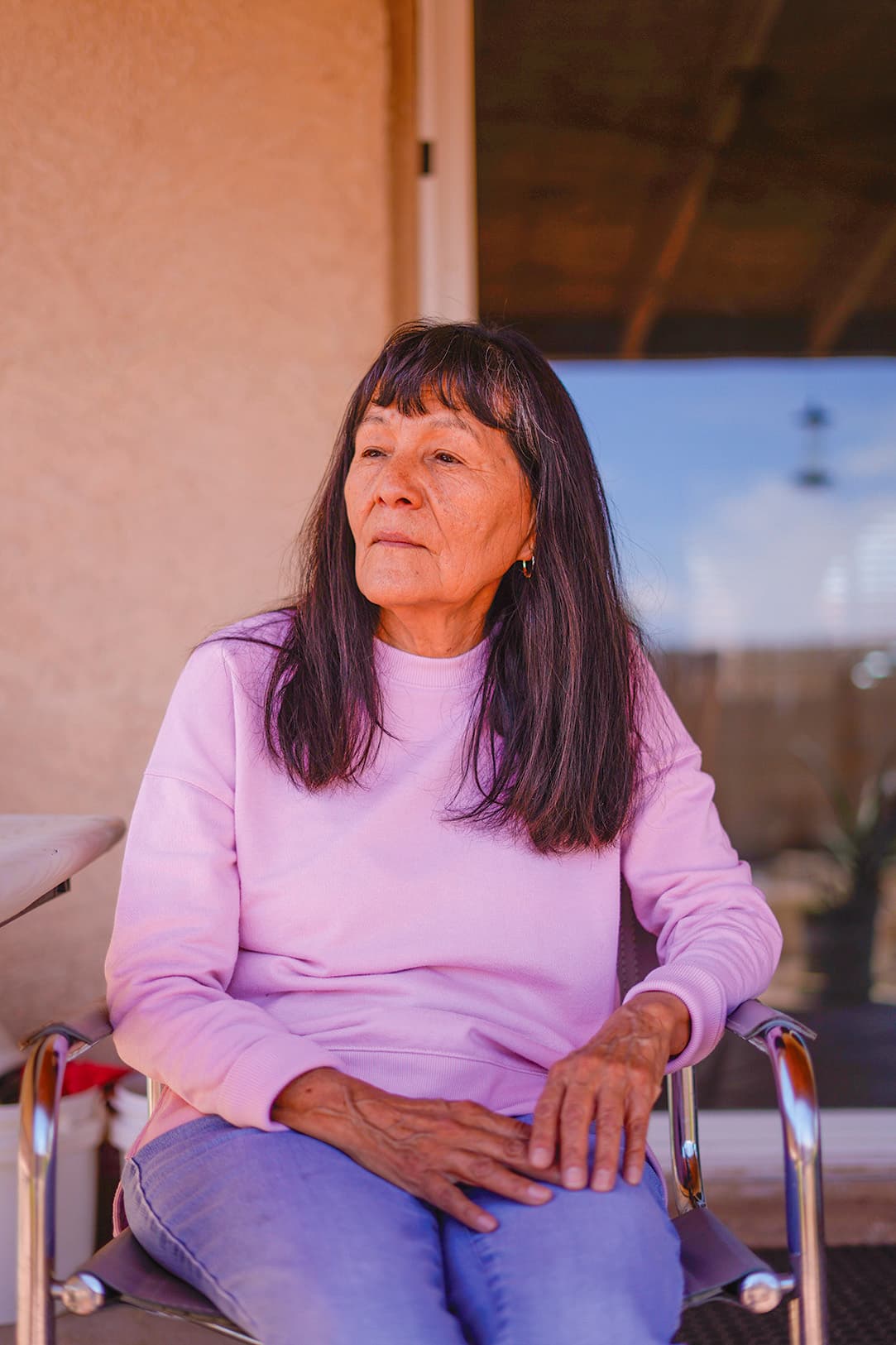
Jonathan Nez spent four years as president of the Navajo Nation watching diabetes claim families across the reservation's nearly 17 million acres. Since leaving office in 2023, the former leader has taken a different fight national: pushing the Three Sisters, corn, beans, and squash, into the federal 2025-2030 Dietary Guidelines for Americans as evidence that the original medicine has been growing in Diné soil for centuries.
In McKinley County, where nearly 78 percent of residents identify as Native American, the stakes are immediate. About 1 in 5 Navajo adults currently live with diabetes, and roughly half the Navajo population has prediabetes, according to the Centers for Disease Control and Prevention. Health workers here have called it one of the state's most concentrated diabetes burdens, shaped in large part by a mid-20th-century shift away from traditional foodways toward government-issued commodity rations.
The push to reverse that shift has been building since 2008, when a partnership formed between the Navajo Nation Special Diabetes Project and the Physicians Committee for Responsible Medicine after Native America Calling, a nationally syndicated indigenous radio program, brought both organizations into conversation about a nutritional approach to Type 2 diabetes. The Physicians Committee created plant-based dietary guidelines centered on the Three Sisters, which tribal leaders then adapted across the Nation's eight service areas.
In McKinley County, the Crownpoint Service Unit's Health Promotion Garden Team was recognized at a national Tribal health meeting earlier this year for connecting community members with traditional produce. In Gallup, the Indigenous-led nonprofit Community Outreach and Patient Empowerment (COPE) runs the Navajo Fruit and Vegetable Prescription program, partnering local healthcare providers with retailers so that families identified as at-risk receive vouchers for fresh food. COPE's community gardens are designed around locally grown, traditional crops, with the Three Sisters at the center.
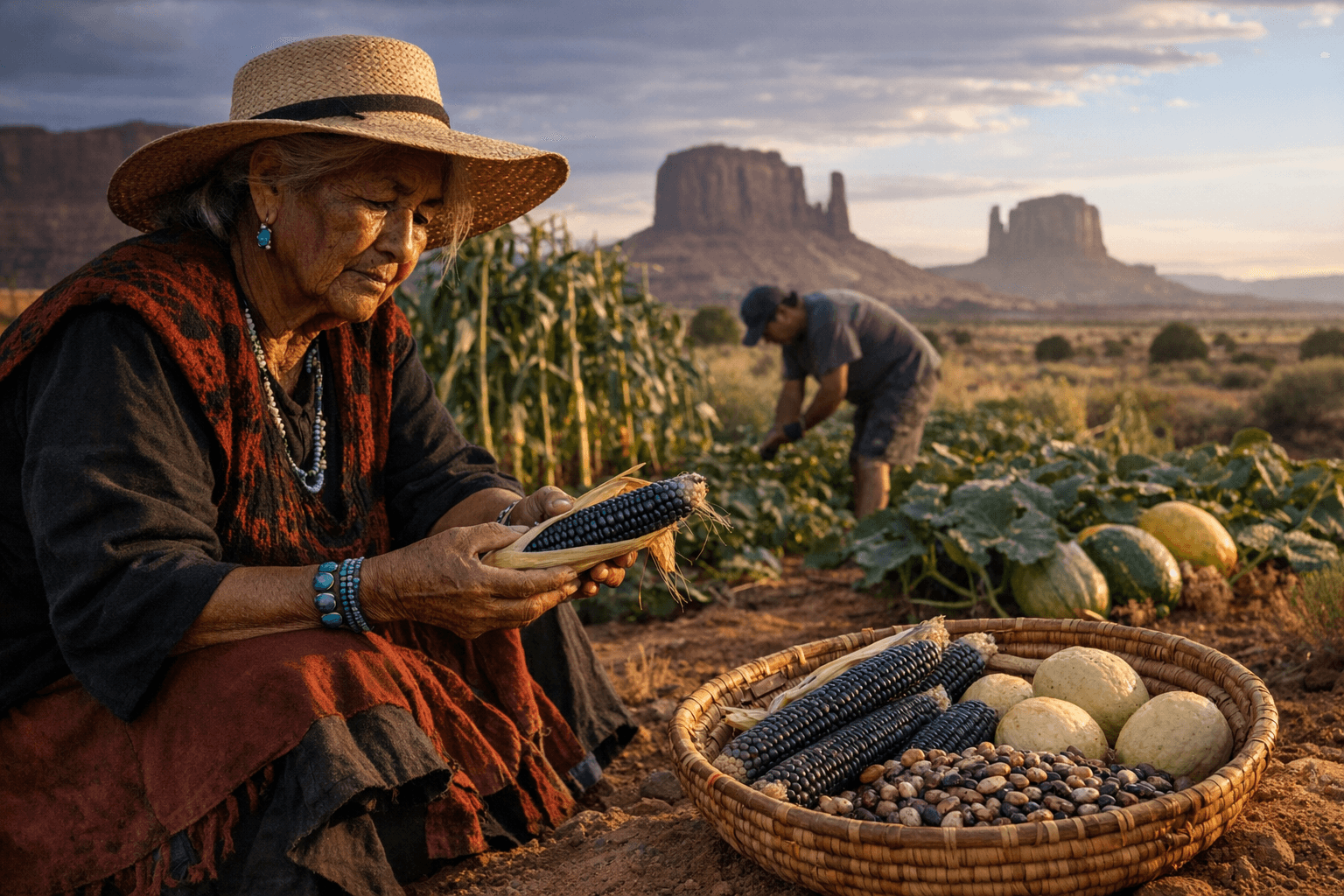
The nutritional case is straightforward: together, corn and beans provide a complete protein while squash contributes fiber, beta-carotene, and blood sugar regulation. All three are available at Gallup-area grocery stores and trading posts. A meal of pinto beans, corn tortillas, and roasted squash traces directly to Diné agricultural tradition and requires no special equipment or expense.
The Gallup Indian Medical Center's Diabetes Care and Education Program team, also recognized for its work this year, serves as the nearest entry point for structured support. The Navajo Area received approximately $17.6 million in federal Special Diabetes Program for Indians funding for fiscal year 2026, backing a network of prevention and treatment services that now runs from Window Rock to Crownpoint to Gallup.
This article was produced by Prism’s automated news system from verified source data, official records, and press releases, then run through automated quality and moderation checks before publishing. The system is built and supervised by the people who set the standards it runs under. Read our full AI policy.
Did this article answer your question?