Navajo Nation urges prayer for water as Colorado River Basin dries further
Navajo leaders warned of a drier Colorado River Basin as forecasts put Navajo Reservoir at risk of shortage by winter, raising stakes for Gallup and McKinley County.
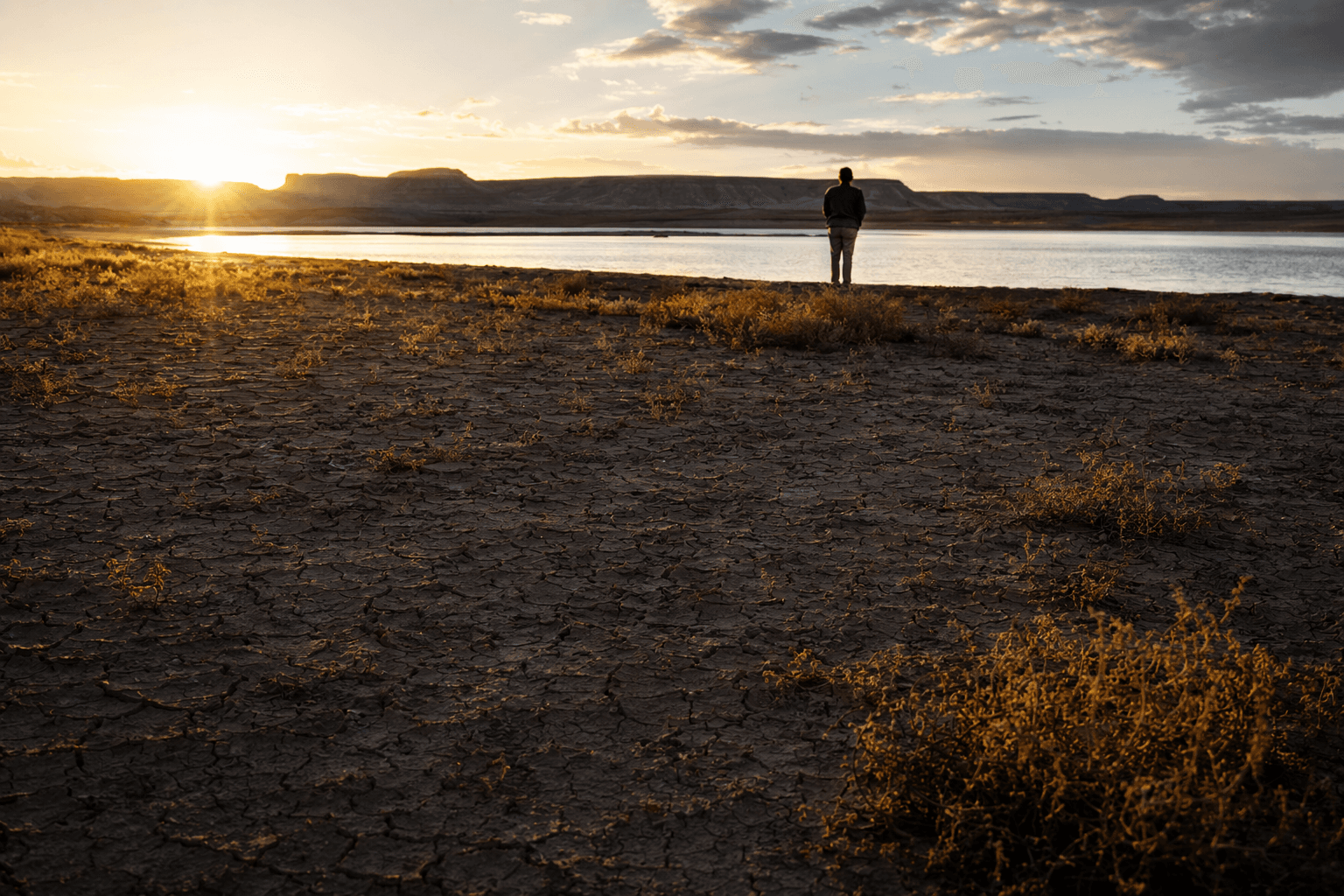
For families in McKinley County who still haul water to drink, cook and bathe, the latest warning from Navajo leaders landed with immediate force: federal forecasts say Navajo Reservoir could run short from November 2026 through February 2027, even as 30% to 40% of Navajo families still lack running water in their homes.
The Navajo Nation has urged people to pray for water as the Colorado River Basin slides into another dangerous dry stretch, a message that carries both cultural weight and practical urgency across northwest New Mexico. Dwight Witherspoon, an attorney with the Navajo Nation Department of Justice Water Rights Unit, tied the call to worsening drought conditions and Diné teachings about caring for the land.
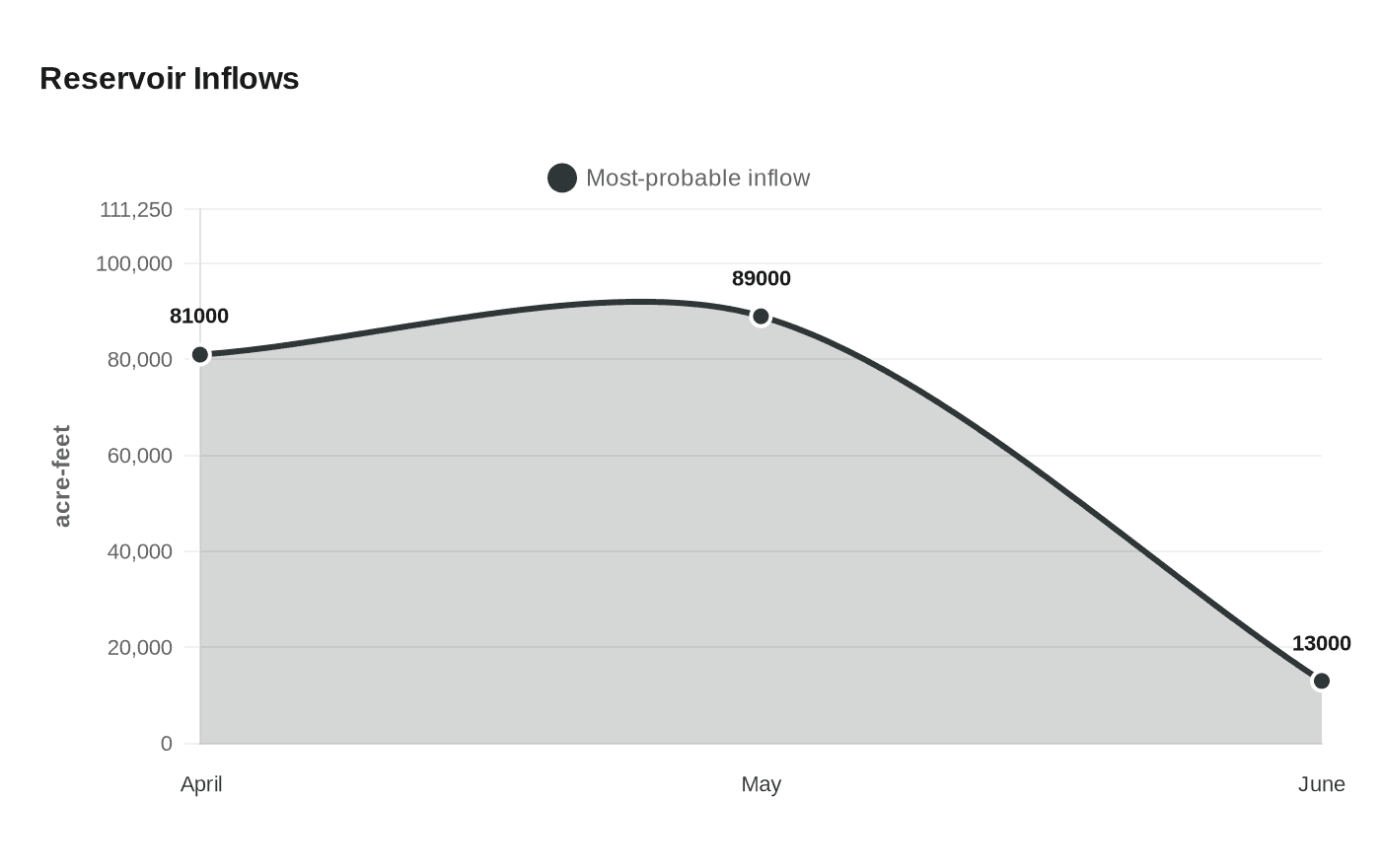
The dry outlook is not abstract. The Bureau of Reclamation’s April 1 forecast put April through July inflows to Lake Powell at about 1.4 million acre-feet, or 22% of average. For Navajo Reservoir, the most-probable inflow forecasts for April, May and June were 81,000 acre-feet, 89,000 acre-feet and 13,000 acre-feet, showing how sharply runoff is expected to fall as the season advances. The reservoir held about 1.02 million acre-feet on April 8, or about 62% of capacity.
That matters in McKinley County because the same water system helps underpin long-term supply planning for Gallup, smaller northwest New Mexico systems and Navajo communities tied to the Navajo-Gallup Water Supply Project. Gallup’s drought contingency materials say the project is designed to serve about 250,000 people by 2040, and local planning documents show Gallup, McKinley County and nearby water systems expect to tap into the project’s transmission network.
The Bureau of Reclamation says the Navajo-Gallup Water Supply Project is now more than 70% complete and remains the cornerstone of the Navajo Nation’s San Juan River Water Rights Settlement in New Mexico. The project is central to a region where homes, farms and municipal systems still face gaps in basic service.
Reclamation also says it holds Public Operations Meetings three times a year on Navajo Reservoir operations, while releases are made for authorized project purposes and to maintain base flow through the San Juan River’s endangered-fish critical habitat reach. The San Juan River Basin Recovery Implementation Program recommends a target base flow of 500 to 1,000 cubic feet per second through that reach.
Navajo Reservoir itself is a long-built system, with construction beginning in 1958 and finishing in 1962. That old infrastructure now faces a hotter, drier climate than the one it was designed for, leaving Gallup, McKinley County and the Navajo Nation watching the same basin conditions with growing concern.
This article was produced by Prism’s automated news system from verified source data, official records, and press releases, then run through automated quality and moderation checks before publishing. The system is built and supervised by the people who set the standards it runs under. Read our full AI policy.
Did this article answer your question?


