Project SEARCH helps McKinley County students bridge school to jobs
Project SEARCH is giving McKinley County students with disabilities a real path to paychecks, and one Miyamura graduate shows how an internship can grow into a career.
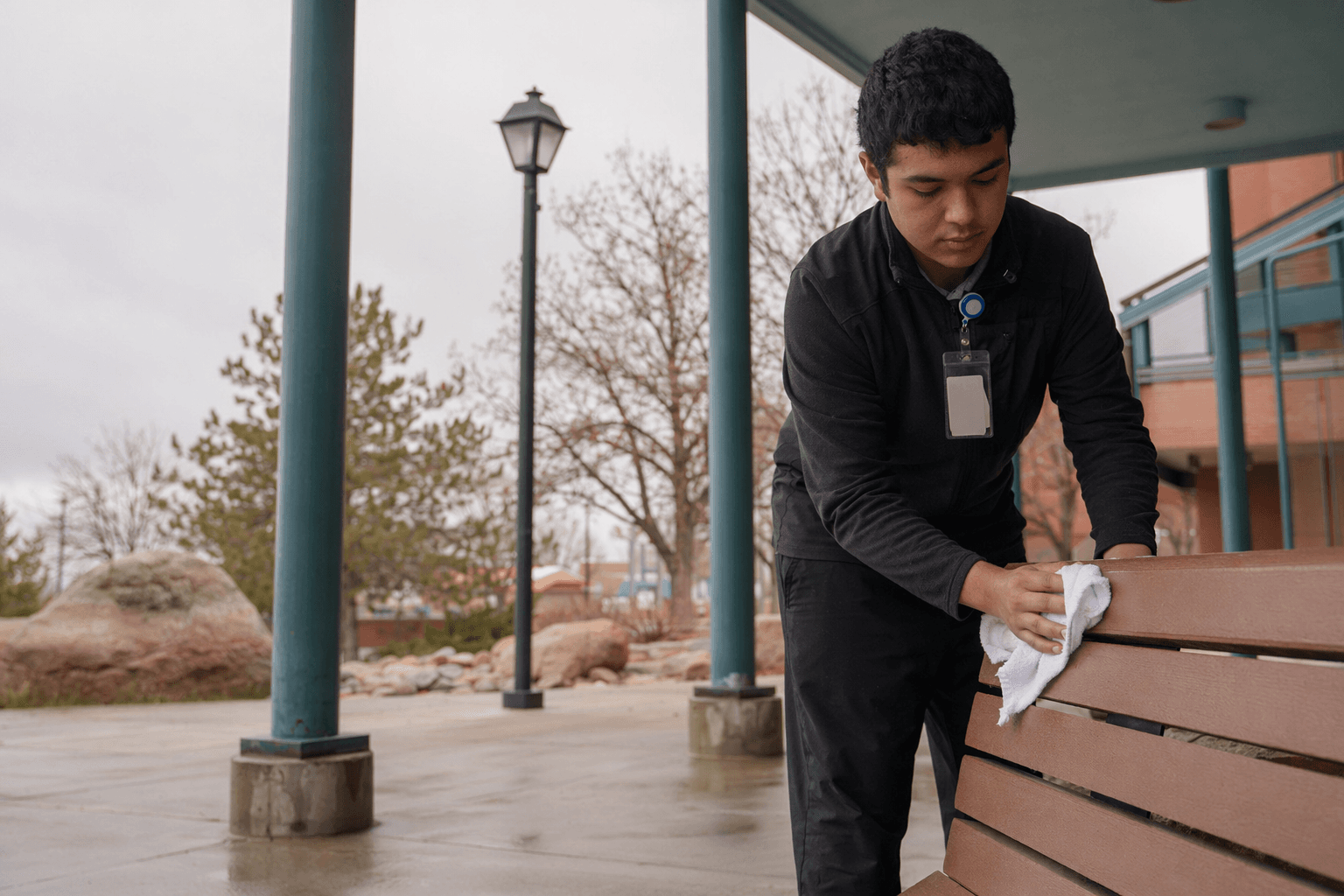
Project SEARCH is giving McKinley County students with intellectual disabilities something that changes daily life fast: real work, a routine and a paycheck. In Gallup, the program is built to move young people from special education services into integrated, competitive employment, and local families can already point to graduates who have turned internships into jobs.
How the program works in Gallup
At a recent Gallup-McKinley County Schools board meeting, special education teacher David Palenschat described Project SEARCH as more than a classroom lesson. The model is a one-year school-to-work transition program that takes place entirely at the workplace, with students learning through total immersion, classroom instruction, career exploration and internship rotations.
That structure matters because it teaches the habits employers value just as much as technical skill. Palenschat’s presentation focused on employability skills such as workplace behavior, reliability and learning on the job, the kind of daily expectations that can make the difference between a short trial and a lasting position. For students who face significant barriers to a first job, the program creates a direct bridge from school services to paid work.
Project SEARCH itself began in 1996 at Cincinnati Children’s Hospital Medical Center and now operates at more than 400 locations in six countries. In New Mexico, the work is supported through collaboration among the New Mexico Division of Vocational Rehabilitation, the New Mexico Health Care Authority’s Developmental Disabilities Supports Division and the University of New Mexico Center for Development and Disability. That network gives the model both a local footprint and a statewide support system.
Where students train and learn
GMCS says its Project SEARCH site is based at the Gallup Hilton Garden Inn, and that host site anchors the local effort. The district also lists other businesses that provide internships and employment experiences, giving students a wider view of what work can look like in McKinley County.
Those host and partner sites include:
- Hilton Garden Inn
- Quality Inn
- SpringHill Suites
- Baskin Robbins
- Xtreme Cuts
- KFC
- Victoria’s Pizza in Crownpoint
That spread matters because it exposes students to different kinds of workplace expectations. A hotel, a restaurant and a retail setting all demand punctuality, teamwork and customer service, but each also lets students practice skills in a setting that feels real rather than simulated. For families, that makes the transition from school to work easier to picture and easier to trust.
GMCS says it was in its ninth year of operating Project SEARCH during the 2024-2025 school year, which shows the program is not a pilot or a one-off. It is now a sustained part of the district’s approach to serving students with disabilities. The district also says all slots for the 2026-2027 program year are currently full, a sign that demand remains strong.
A local graduate’s path from internship to job
The clearest before-and-after story in McKinley County belongs to Shelby Pederson, a Hiroshi Miyamura High School graduate from the class of 2015 and a former Project SEARCH intern. Pederson’s path shows why the program matters to families who want more than a diploma: they want a plan that leads to work.
Pederson said her experience helped her move up from housekeeping at the Gallup Hilton Garden Inn to a line prep cook position. That progression shows more than a first job. It points to advancement, work history and the kind of confidence that comes from proving, day after day, that a student can do the job well enough to keep moving forward.
For a local family, that shift is huge. A student who once may have been viewed mainly through the lens of disability is now a worker with responsibilities, a schedule and a role in the community economy. That is the kind of change that can ripple beyond one paycheck, because it reshapes how a young adult, and the people around them, think about independence.
What the numbers say about the stakes
The stakes for that transition are unusually high. A prior New Mexico state feature reported that five GMCS students graduated from Project SEARCH on May 20, a reminder that the program is producing graduates, not just plans. It also cited U.S. Department of Labor data showing that only 19.1% of people with disabilities were employed in 2020, compared with 63.7% of people without disabilities.
That gap explains why even a small number of successful placements matters so much. In a labor market where people with disabilities are far less likely to be employed, each student who completes the program and moves into a job represents a concrete local win. It also shows why school-to-work programs are not a side service. They are workforce policy in practice.
For McKinley County, that matters on both sides of the labor market. Students need a path into adult life that does not end at graduation, and employers need dependable workers who can show up, learn routines and stay on the job. Project SEARCH tries to connect those needs by pairing students with real businesses and real expectations.
Why the model fits McKinley County
The strength of Project SEARCH is that it links schools, employers and service agencies around one outcome: integrated employment. GMCS says the program is designed to prepare students with significant disabilities for success in competitive, integrated jobs, and the local site structure shows how that goal becomes practical.
Gallup families can see that in the hotel internships, the restaurant placements and the continued support from state and university partners. They can also see it in the long arc from student to worker, which is exactly what Pederson’s career path represents. A young person who begins in special education can leave school with job habits, work experience and a realistic next step.
That is why Project SEARCH stands out in McKinley County. It does not just keep students busy for a year. It builds the habits, confidence and connections that turn school completion into employment, and employment into a more independent future.
This article was produced by Prism’s automated news system from verified source data, official records, and press releases, then run through automated quality and moderation checks before publishing. The system is built and supervised by the people who set the standards it runs under. Read our full AI policy.
Did this article answer your question?