Rabid Coyote Confirmed Near Silver City, Rabies Risk Remains
A coyote that bit a hiker in the Gila National Forest near Silver City tested positive for rabies, health officials confirmed. The hiker did not require hospitalization and is receiving routine preventive treatment, but the finding raises concerns for residents who recreate outdoors and care for pets and livestock.
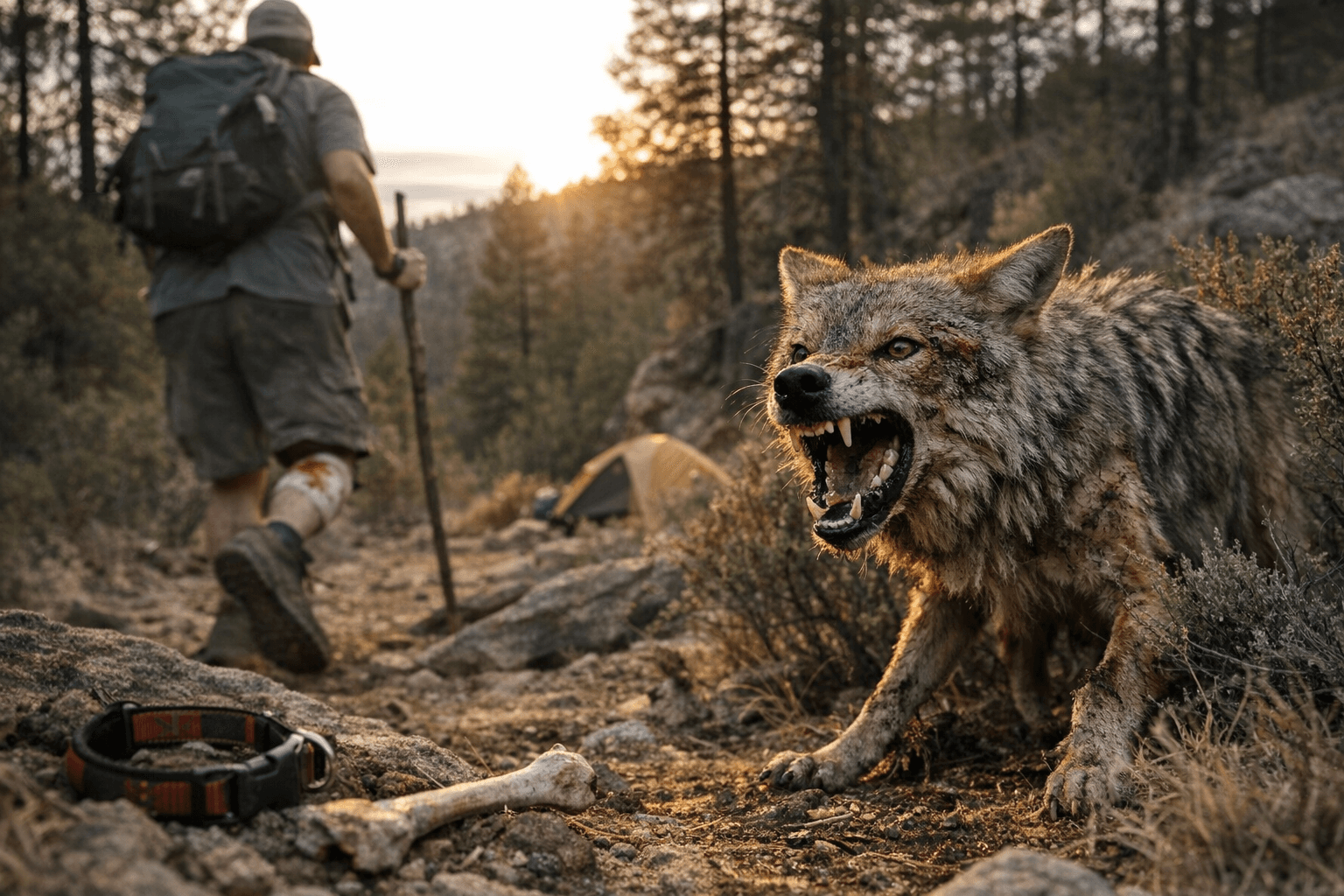
Health officials confirmed that a coyote captured after biting a hiker in the Gila National Forest near Silver City tested positive for rabies on December 19. The hiker did not require hospitalization and has begun routine post exposure treatment to prevent rabies infection, laboratory testing by the New Mexico Department of Health Scientific Laboratory Division found. This case is the fourth rabid animal identified in southwest New Mexico this year, following a bobcat in Sierra County, a coyote in Catron County, and a dog in Grant County.
Rabies remains a serious but preventable disease. While bats are the most commonly infected animals in New Mexico, all mammals are susceptible and the southwest region has recorded the highest number of rabies cases in animals other than bats. That pattern means people who hike, hunt, herd animals, or live near wildlands should be particularly vigilant.
Local residents can take clear steps to reduce risk. Keep pets up to date on rabies vaccinations and ensure license tags are current. If a cat or dog is bitten or scratched by a wild animal, contact a veterinarian about a rabies booster even for superficial wounds. If any animal bites a person, wash the area thoroughly with soap and water immediately and seek medical attention without delay. Vaccinate horses and other household animals even if they remain on private property. Report exposures or bites to local animal control and call the New Mexico Department of Health Helpline at 1-833-SWNURSE, which is 1-833-796-8773.
State public health officials urge residents to take rabies seriously and to protect families and animals through vaccination and prompt reporting. For those who use the Gila National Forest and other public lands, awareness and quick action after any animal encounter can prevent illness and limit the spread of rabies in our communities. For more information check the New Mexico Department of Health rabies webpage or contact local animal control.
This article was produced by Prism’s automated news system from verified source data, official records, and press releases, then run through automated quality and moderation checks before publishing. The system is built and supervised by the people who set the standards it runs under. Read our full AI policy.
Did this article answer your question?