Tribal Leaders Demand Full Indian Health Service Funding, Citing Treaty Violations
Native patients receive $4,078 in federal health spending annually vs. $10,692 per veteran; tribal leaders call the gap a treaty violation draining staff from Gallup's main hospital.

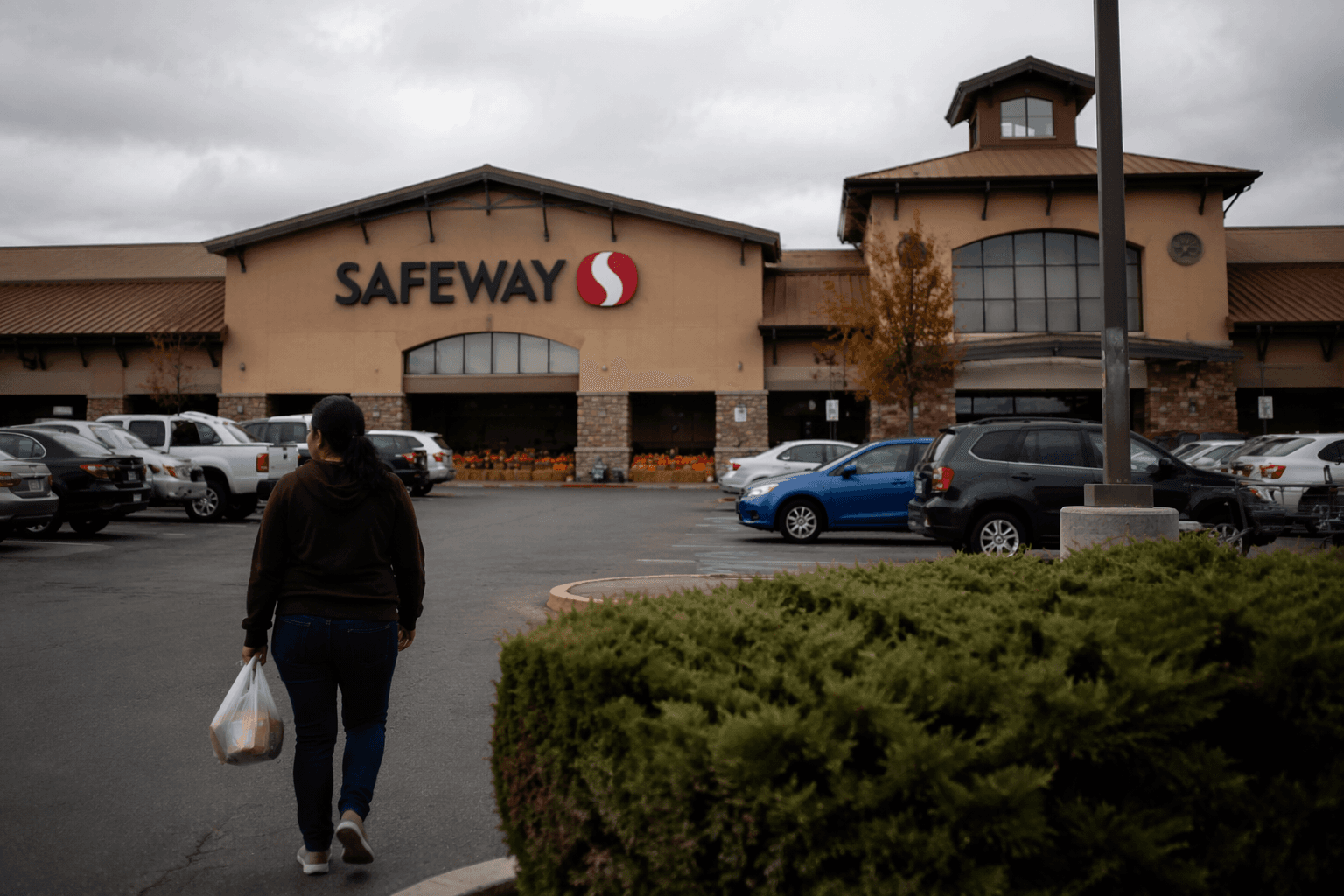
Gallup Indian Medical Center handles 250,000 outpatient visits and 5,800 inpatient admissions a year, one of the heaviest workloads in the entire Indian Health Service network, yet roughly one in four staff positions sit unfilled. Tribal leaders told the House Appropriations Interior, Environment, and Related Agencies Subcommittee last month that staffing shortfalls like these are the predictable result of an agency that has never been fully funded, a situation they called an ongoing violation of federal treaty obligations to Native peoples.
The per-patient math explains the pressure. IHS spends $4,078 per person annually, compared with $8,109 under Medicaid and $10,692 per veteran in the Veterans Health Administration. The agency is estimated to be underfunded by as much as 50 percent relative to comparable federal health programs, a gap that falls disproportionately on communities in McKinley County, where diabetes, heart disease, and cancer rates already run significantly higher than national averages.
At GIMC, that shortfall has grown more acute. A new HHS contract review process cost the hospital its overnight ultrasound service, according to current and former IHS employees, forcing time-sensitive cases to facilities elsewhere. For Navajo patients who depend on GIMC as their primary referral hub for cardiology, surgery, and obstetrics, gaps in specialist coverage mean longer waits or longer drives to Albuquerque.
NIHB's Locklear urged the subcommittee to fully fund a modern electronic health records system, a long-delayed upgrade that tribal health advocates say is essential to coordinating care across IHS facilities.
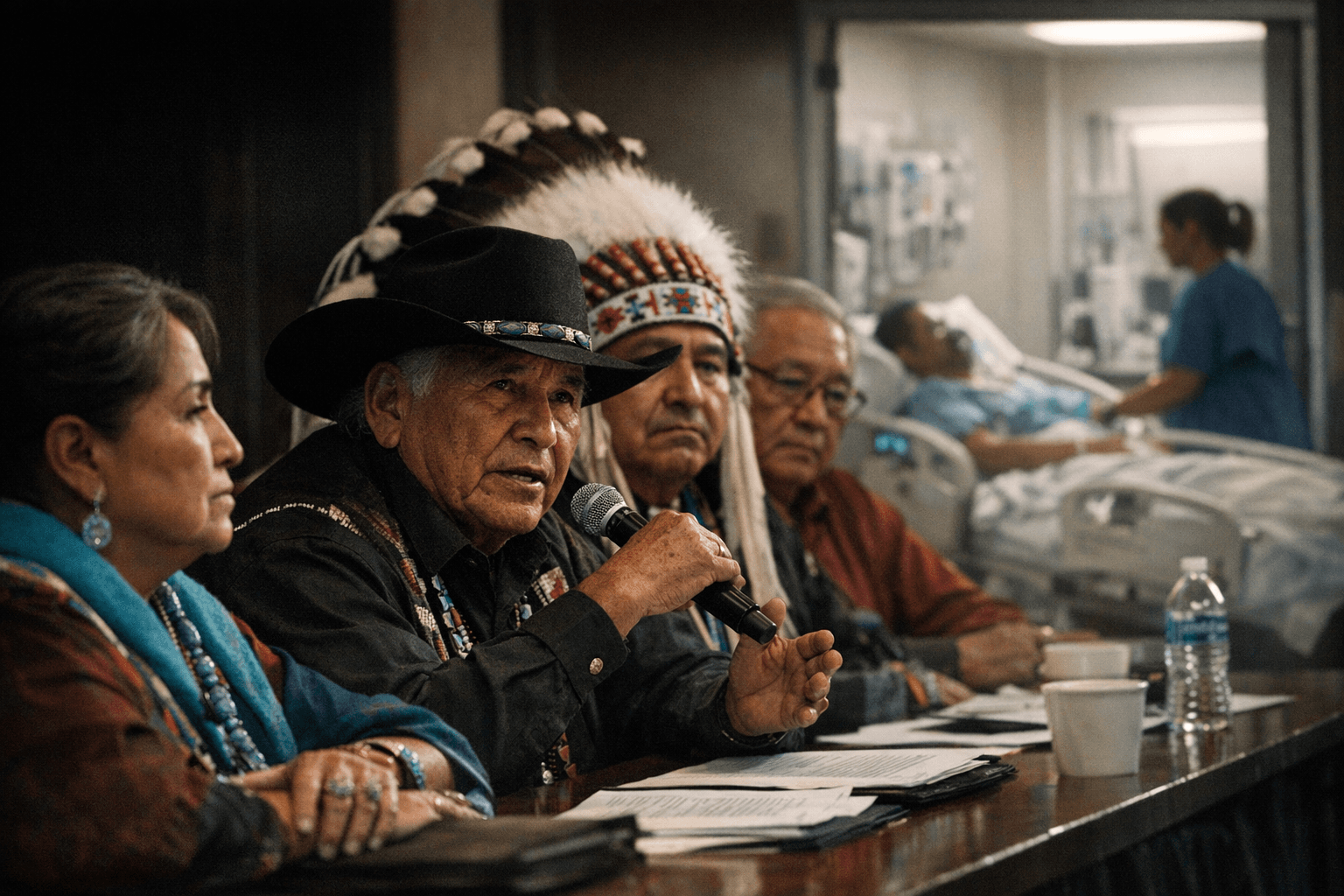
House Appropriations Chairman Tom Cole, a Chickasaw Nation citizen, explained why IHS funding has never been made mandatory. "It was one of the few areas the federal government actually had an obligation to provide health care because of treaty and trust responsibilities, before Medicaid, Medicare, and all those programs, so it never got pulled into the system," Cole said.
Navajo Nation President Nygren has backed a longer-range solution: a new GIMC campus on a 570-acre site in Gamerco, projected to become one of the largest tribal hospital complexes in the country. Without a mandatory funding structure to match its scale, advocates warn, the new building will inherit the same resource gap it was meant to replace.
This article was produced by Prism’s automated news system from verified source data, official records, and press releases, then run through automated quality and moderation checks before publishing. The system is built and supervised by the people who set the standards it runs under. Read our full AI policy.
Did this article answer your question?