Tséhootsooí doctor warns of summer tick, flea and mosquito illnesses
Summer bites can turn dangerous fast on the Navajo Nation. A Tséhootsooí doctor said Rocky Mountain spotted fever is the biggest local concern.
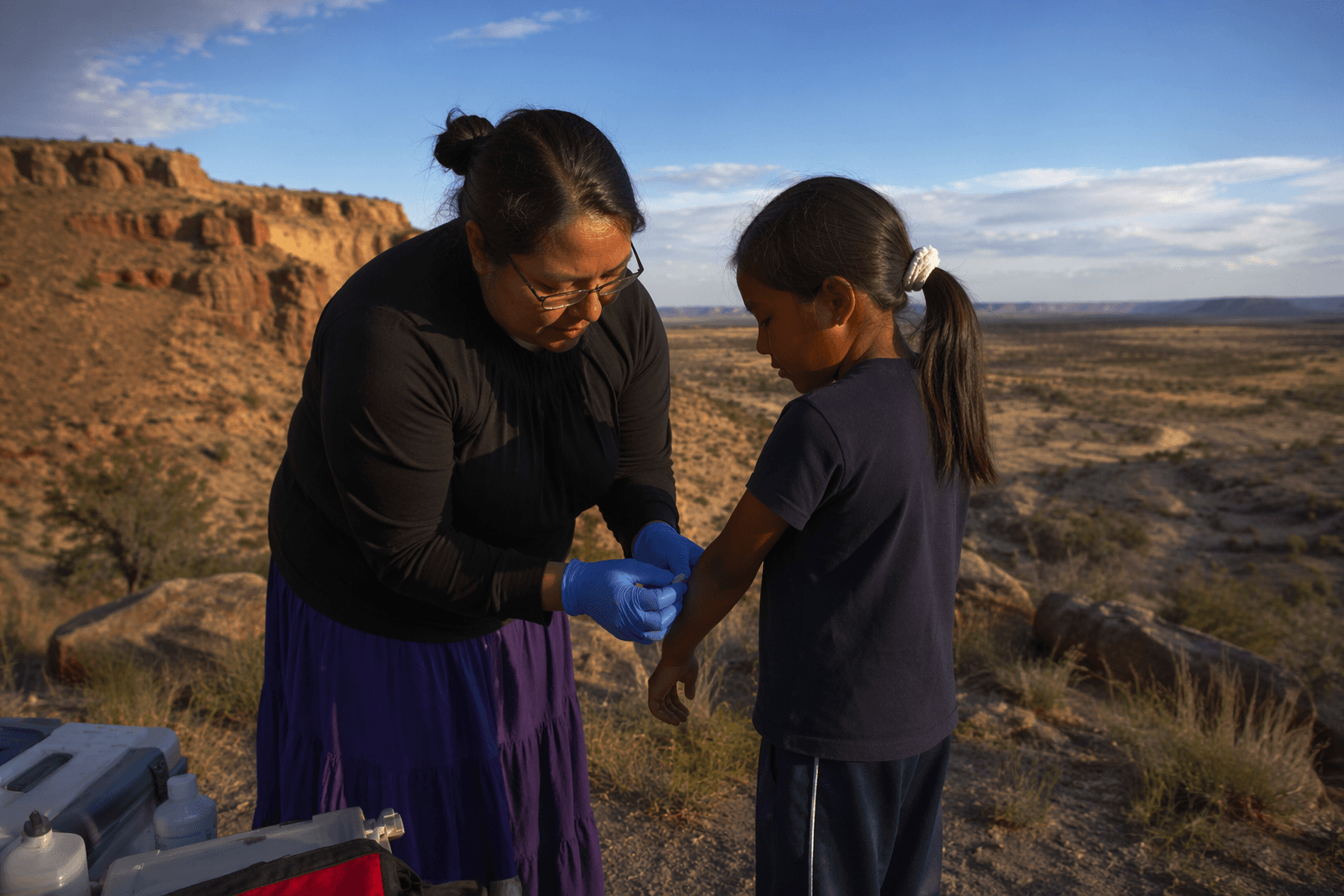
Warmer weather across the Navajo Nation is raising the risk of illnesses spread by ticks, fleas and mosquitoes, and a Tséhootsooí doctor warned that people can get seriously sick if they miss the early signs. Rocky Mountain spotted fever is the tick-borne illness of greatest concern locally, and Gabrellas said, “We do see all of these infections go up during the summer months.”
That warning lands close to home in McKinley County, where many families spend long days outdoors, move between chapter houses, work around livestock and hike or recreate in areas where insect exposure is hard to avoid. The message is not that every bite will turn into an emergency, but that summer conditions make encounters more likely, and the symptoms that follow are easy to brush off as heat, fatigue or minor irritation.
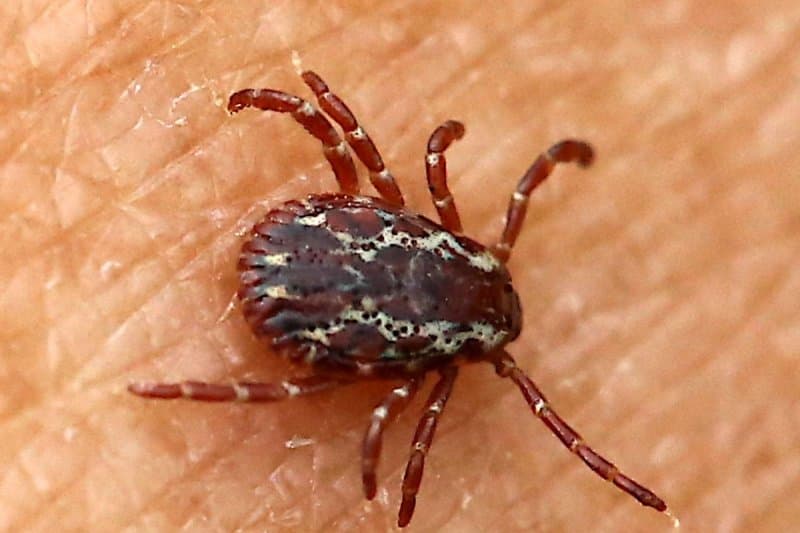
Public-health officials have good reason to keep the pressure on. The Centers for Disease Control and Prevention says Rocky Mountain spotted fever is a serious tick-borne illness that can be deadly if not treated early, and it occurs throughout the United States. The CDC also tracks tick-bite emergency room visits by week, month, region, age and sex, a reminder that bite-related illness rises enough in warm months to show up in health data.
Mosquitoes remain a separate concern. The New Mexico Department of Health says West Nile virus has occurred in New Mexico every year since 2003. Its 2024 county map shows McKinley County with one human West Nile case, and the department confirmed the state’s first West Nile case of 2025 on Aug. 7, 2025, in a Valencia County resident. The department says its infectious-disease data are updated regularly and its dashboard is tracking human West Nile cases in 2026.

For local families, the practical response is straightforward: check for bites after time outside, watch closely for unusual symptoms and do not assume a worsening illness is just part of summer. In wide-open communities across McKinley County and the Navajo Nation, that kind of early attention can keep a routine day outdoors from turning into a much more serious medical problem.
This article was produced by Prism’s automated news system from verified source data, official records, and press releases, then run through automated quality and moderation checks before publishing. The system is built and supervised by the people who set the standards it runs under. Read our full AI policy.
Did this article answer your question?