What to know about screwworm, a rare but dangerous parasite
A Texas case and a New Mexico dog case have put screwworm back on the radar. McKinley County ranchers and pet owners need to watch wounds fast and call a vet.
A parasite that feeds on living tissue is once again close enough to matter in western New Mexico, and that makes every open wound on a calf, horse, dog, or person worth a closer look. For McKinley County, where ranching, hunting, and pets are part of daily life, screwworm is not an abstract federal concern. It is the kind of animal-health threat that can spread quietly if a wound is missed and a vet is not called quickly.
Why McKinley County should care now
The current outbreak moved north through Central America and Mexico beginning in 2023, and federal officials say the risk has now reached the Southwest in a more direct way. On June 3, 2026, the U.S. Department of Agriculture confirmed the first U.S. animal case in the current outbreak in Texas. Five days later, USDA confirmed New Mexico’s first case in a dog in Lea County, after additional review reclassified the location from Andrews County, Texas, to the dog’s home county in New Mexico.
That matters in McKinley County because the same conditions that make screwworm dangerous elsewhere exist here too: livestock with cuts and scrapes, pets that roam, horses with saddle sores or fly bites, and wildlife that can carry wounds out of sight. When families in Gallup, Church Rock, Gamerco, Manuelito, and other rural communities see an animal with a wound that does not look right, the clock starts immediately.
What screwworm is and how it spreads
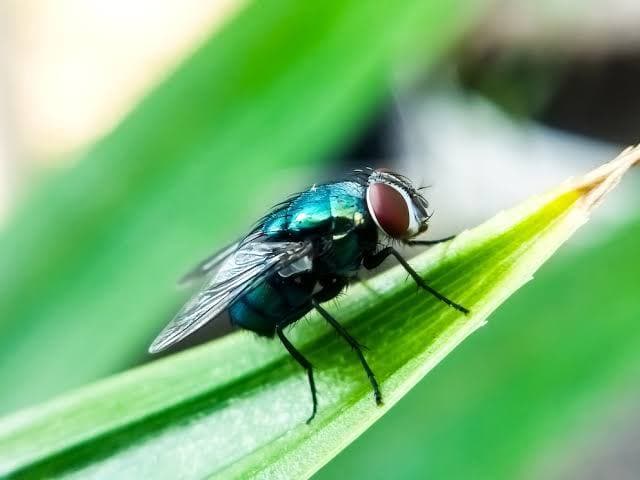
New World screwworm is a parasitic fly, and the danger comes from its larvae, which burrow into live tissue and cause a condition called myiasis. The female fly looks for an opening in the skin, and that can be as small as a tick bite. She may lay 200 to 300 eggs near sensitive areas such as the eyes, ears, nose, or mouth, where moisture and soft tissue make infection easier to start.
Once the eggs hatch, the maggots move deeper into the wound and feed on tissue, which is why the infestation can become so painful and destructive so quickly. USDA says the parasite can affect livestock, pets, wildlife, birds, and, in rare cases, people. CDC notes that no locally acquired human infestations have been reported in the United States, but the danger to animals remains real, especially where animals are handled every day and wounds can be overlooked.
The warning signs to watch for
The first clue is often not dramatic. A cut, scratch, or sore that should be healing instead starts to worsen, and the wound may begin to smell bad. CDC says patients often have a rapidly worsening, foul-smelling wound with significant pain, and the same pattern can show up in animals.
Watch for these warning signs in livestock, pets, or wildlife you may be able to observe:
- Skin lesions that do not heal
- Painful wounds or sores
- Bleeding from an open sore
- Visible maggots or the feeling that something is moving in the wound
- A bad odor from the affected area
The parasite can show up around the eyes, ears, nose, or mouth, but it can also start anywhere there is broken skin. That is why a small tick bite, a scratch from fencing, or a rough patch caused by a collar or harness deserves attention if the wound changes instead of improving.
What to do right away
If you think a person may be infected, contact a health-care provider immediately. CDC says treatment for New World screwworm myiasis requires physically removing all larvae, and the process may require surgery. There is no drug-only cure.
Do not try to remove or throw away live maggots yourself, and do not dump them outside. That could help spread the parasite. The safest move is to get medical or veterinary help fast and let trained professionals handle the infestation.
For animals, USDA says suspicious wounds, maggots, or infestations should be reported immediately to an accredited veterinarian, State Animal Health Official, or USDA veterinarian. In practice, that means ranch hands, pet owners, horse owners, and anyone caring for animals in McKinley County should call early rather than waiting to see whether a wound gets better on its own. When it comes to screwworm, waiting is the risk.
Why this parasite is taken so seriously
Screwworm was eradicated from the United States in 1966 using sterile insect technique, a control method that releases sterile flies to stop reproduction. USDA says that technique was developed in the 1950s and later used to eradicate New World screwworm from the United States, Mexico, and Central America in the second half of the 20th century. USDA also notes the fly was successfully eliminated from the Florida Keys in 2017.
That history explains the urgency now. CDC says winter freezes once limited year-round survival in the United States mostly to southern Florida, southern Texas, and Puerto Rico. In other words, the pest has long been tied to warm, animal-rich places where movement of livestock can help it spread seasonally. Today’s northward movement is being treated as a serious agricultural threat because officials know what happens when the parasite reestablishes itself.
What federal officials are doing
USDA says it is dispersing 100 million sterile insects per week in Mexico and along the U.S.-Mexico border as part of the response. The agency has also created a dedicated New World Screwworm Directorate within USDA Animal and Plant Health Inspection Service and maintains a current emergency-response hub for the pest.
CDC, meanwhile, has activated a Level 3 emergency response for the outbreak, reflecting the need for public-health readiness as the parasite continues moving north. The combined message from federal agencies is clear: this is not a routine insect problem, and the response depends on fast reporting, animal monitoring, and public awareness.
What people in rural New Mexico can do now
The practical steps are simple, but they matter. Check animals for wounds every time you handle them, especially after travel, turnout, branding, hunting, or any situation that can leave cuts or fly strikes. Clean and monitor any open sore, and do not ignore a wound just because it looks small at first.
In McKinley County, that means paying attention to:
- Calves, cattle, sheep, and goats with sores that worsen
- Dogs and cats with skin injuries, ear wounds, or unexplained odor
- Horses with saddle rubs, scratches, or fly-bothered wounds
- Wildlife carcasses or injured animals that look abnormal
The fastest defense is recognition. A wound that heals is one thing; a wound that suddenly becomes painful, foul-smelling, or full of larvae is another. In a county where people depend on animals for work, travel, and family life, that difference can decide whether a problem stays isolated or turns into something much bigger.
This article was produced by Prism’s automated news system from verified source data, official records, and press releases, then run through automated quality and moderation checks before publishing. The system is built and supervised by the people who set the standards it runs under. Read our full AI policy.
Did this article answer your question?