Zuni man rebuilds life after addiction, now plans recovery clinic
After 17 years in prison and a near-fatal suicide attempt, Alfonso Ramirez is helping build a recovery clinic meant to keep Zuni families closer to care.
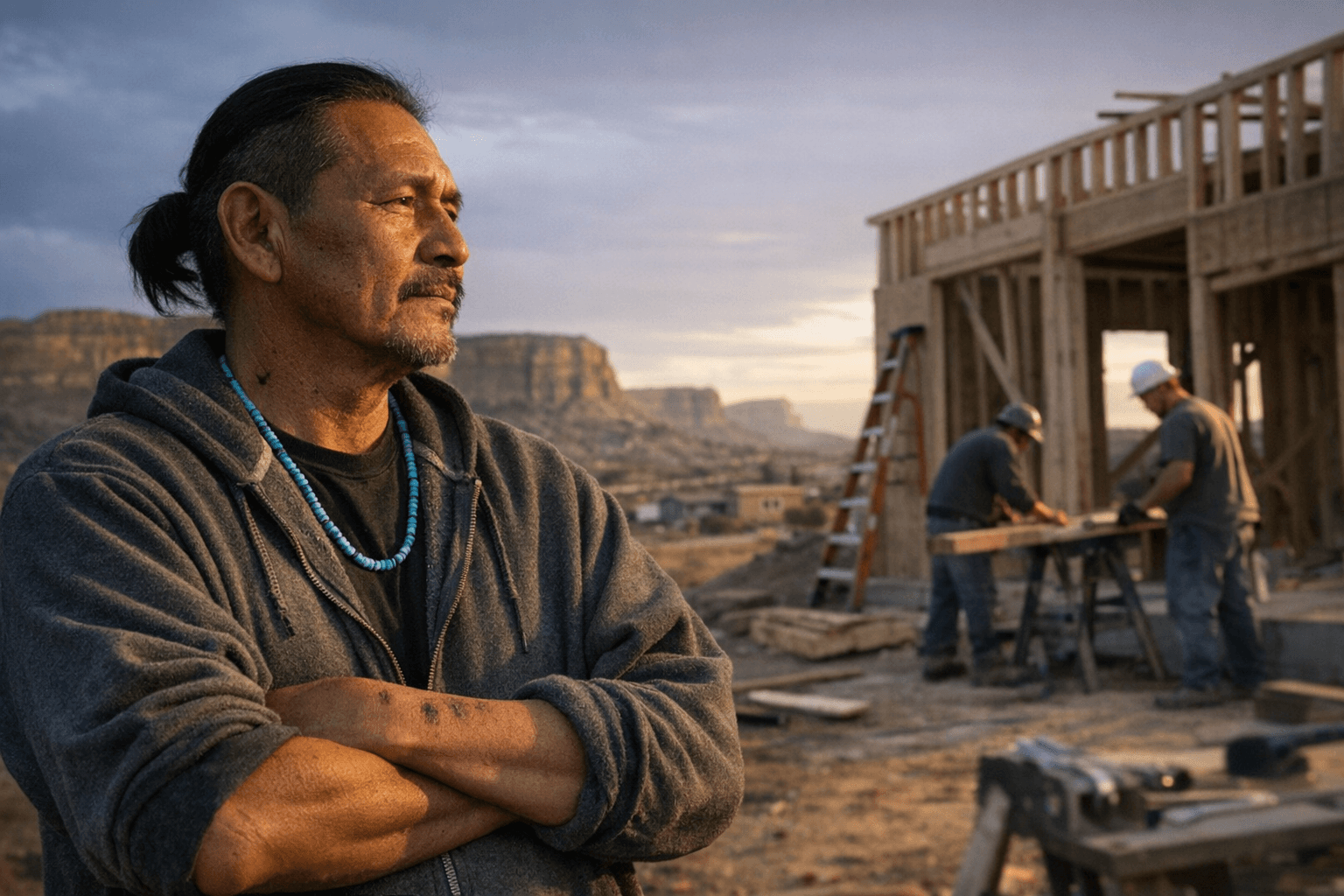
Alfonso Ramirez’s recovery began after a suicide attempt left him with a shattered pelvis, a broken right femur and a broken hand, and it has carried him from prison and addiction into a role helping others find treatment. Now the Zuni Pueblo man is working on a plan that could matter far beyond his own story: a local clinic meant to bring recovery support closer to home for people in McKinley County.
Ramirez spent 17 years in prison overall, according to the details of his case. Albuquerque Community Safety connected him with Anchor Behavioral Health, where he entered a six-month recovery program built around sober living, group therapy, 12-step work, a sponsor and church-based support. He later became a certified peer support worker and a coach, turning the tools that helped him survive into a path for guiding others.
That experience now reaches beyond New Mexico. Ramirez is helping Anchor Behavioral Health open another clinic in Boise, Idaho, a sign that the model he entered in Albuquerque has grown into something he believes can be replicated. For Zuni and other communities in western New Mexico, the larger question is whether that kind of recovery-to-service pipeline can be built locally, so families do not have to leave the area to find structured help.
The need is clear in Zuni Pueblo’s existing care landscape. The Zuni Recovery Center offers intensive outpatient substance-abuse services, counseling for individuals, families, couples and groups, and reentry support at the Zuni Detention Center. The Zuni Comprehensive Health Center in Zuni adds 24/7 emergency and inpatient care, outpatient services and community health support. Even with those services, Ramirez’s story points to a gap between crisis care, ongoing treatment and the long-term coaching that can help people stay sober after they leave jail, hospital or detox.
Albuquerque Community Safety, the city program that first connected Ramirez to treatment, was established in 2021 to handle non-emergency behavioral-health and quality-of-life calls. City officials describe it as a behavioral-health-first response system, with a Violence Intervention Program focused on root causes of violence. Its navigators can also help people get detox, Social Security cards, birth certificates, identification, housing help and support during mental-health crises.
For McKinley County families facing addiction now, Ramirez’s path shows what can happen when recovery is treated as a network, not a single stop. A local clinic built around that model would not just treat symptoms. It could keep more people connected to care, closer to relatives and closer to the communities they are trying to rebuild.
This article was produced by Prism’s automated news system from verified source data, official records, and press releases, then run through automated quality and moderation checks before publishing. The system is built and supervised by the people who set the standards it runs under. Read our full AI policy.
Did this article answer your question?