Federal grand jury indicts Neopit man in reservation assault case
A Neopit man was indicted in federal court after prosecutors say an April 21 assault on the Menominee Reservation left another person with a concussion.
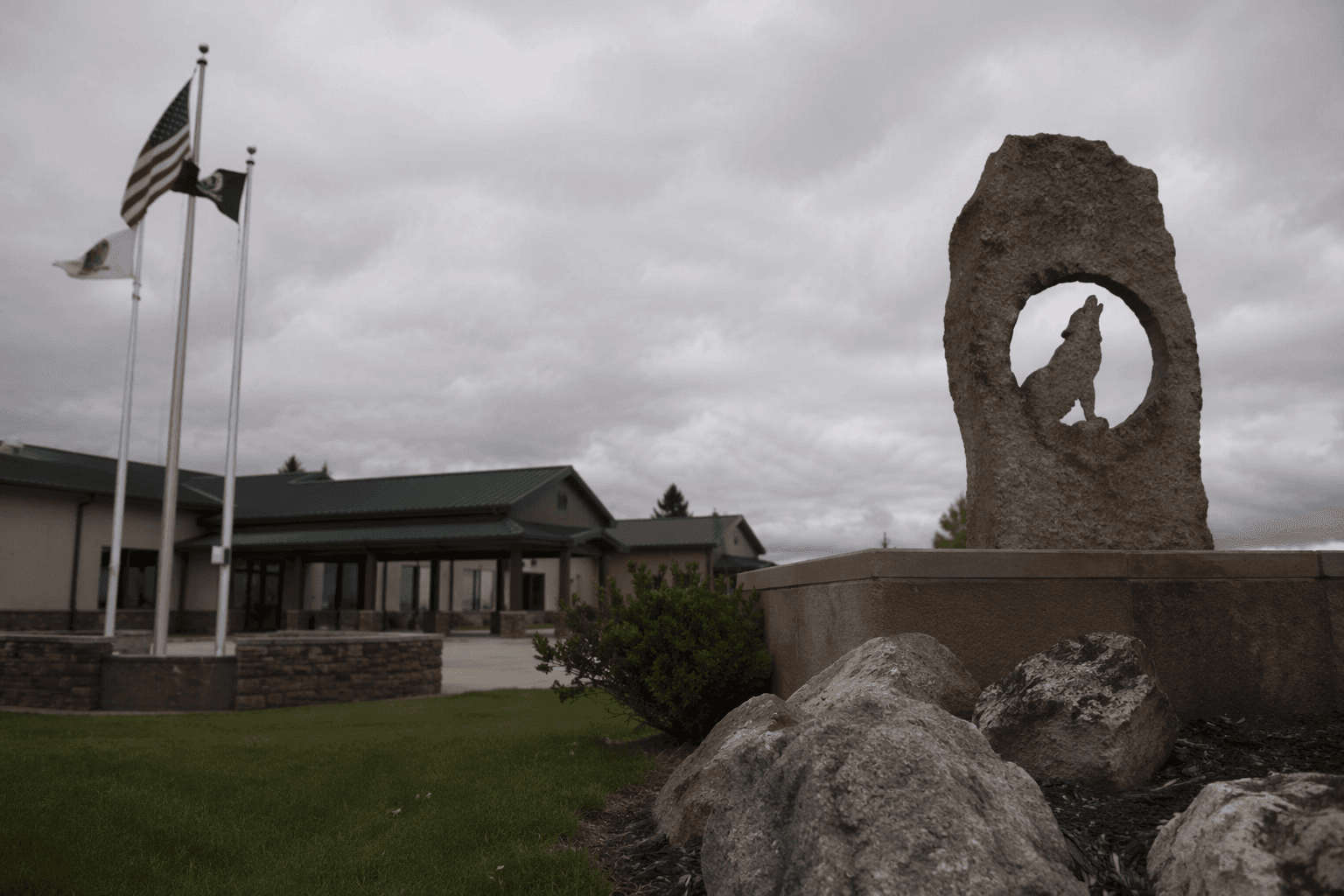
A Neopit man now faces a federal felony in a reservation assault case that could bring up to 10 years in prison if prosecutors prove it. The indictment against Damien J. Peters, 39, places the matter in federal court because the alleged assault happened on the Menominee Indian Reservation, where crimes are primarily governed by federal and tribal law.
A federal grand jury returned the indictment on May 27, charging Peters with aggravated assault resulting in serious bodily injury under 18 U.S.C. §§ 113(a)(6) and 1153(a). Prosecutors say the alleged incident happened on or about April 21 at a location on the reservation, when Peters struck another person in the head and caused pain, swelling and a concussion.
The Menominee Tribal Police Department and the FBI investigated the case, and Assistant U.S. Attorney Andrew J. Maier will prosecute it. The Justice Department says the charge carries a maximum penalty of 10 years in prison, a fine of up to $250,000, up to three years of supervised release and a special assessment.
For Neopit families and other residents across the reservation, the case underscores how quickly serious allegations in Indian country move from a local setting into the federal system. The Menominee Indian Tribe of Wisconsin says the reservation includes five main communities, Keshena, Neopit, Middle Village, Zoar and South Branch, with the tribal seat of government in Keshena, about 45 miles northwest of Green Bay. The tribe says it has 8,551 members.
Menominee County remains one of Wisconsin’s most Native American counties. The U.S. Census Bureau lists the county’s April 1, 2020 population at 4,255, and census estimates show 78.5% of residents identify as American Indian and Alaska Native alone. In a county that small, federal criminal filings tied to the reservation often draw close attention because tribal police, federal investigators and the U.S. attorney’s office are working the same case in the same place people live and work.
The indictment is not evidence of guilt. It is a formal charge, and Peters is presumed innocent unless and until the government proves the case in court. From here, the prosecution will proceed in the United States District Court for the Eastern District of Wisconsin, where the case will move through the federal process that governs serious offenses alleged in Indian country.
This article was produced by Prism’s automated news system from verified source data, official records, and press releases, then run through automated quality and moderation checks before publishing. The system is built and supervised by the people who set the standards it runs under. Read our full AI policy.
Know something we missed? Have a correction or additional information?
Submit a Tip