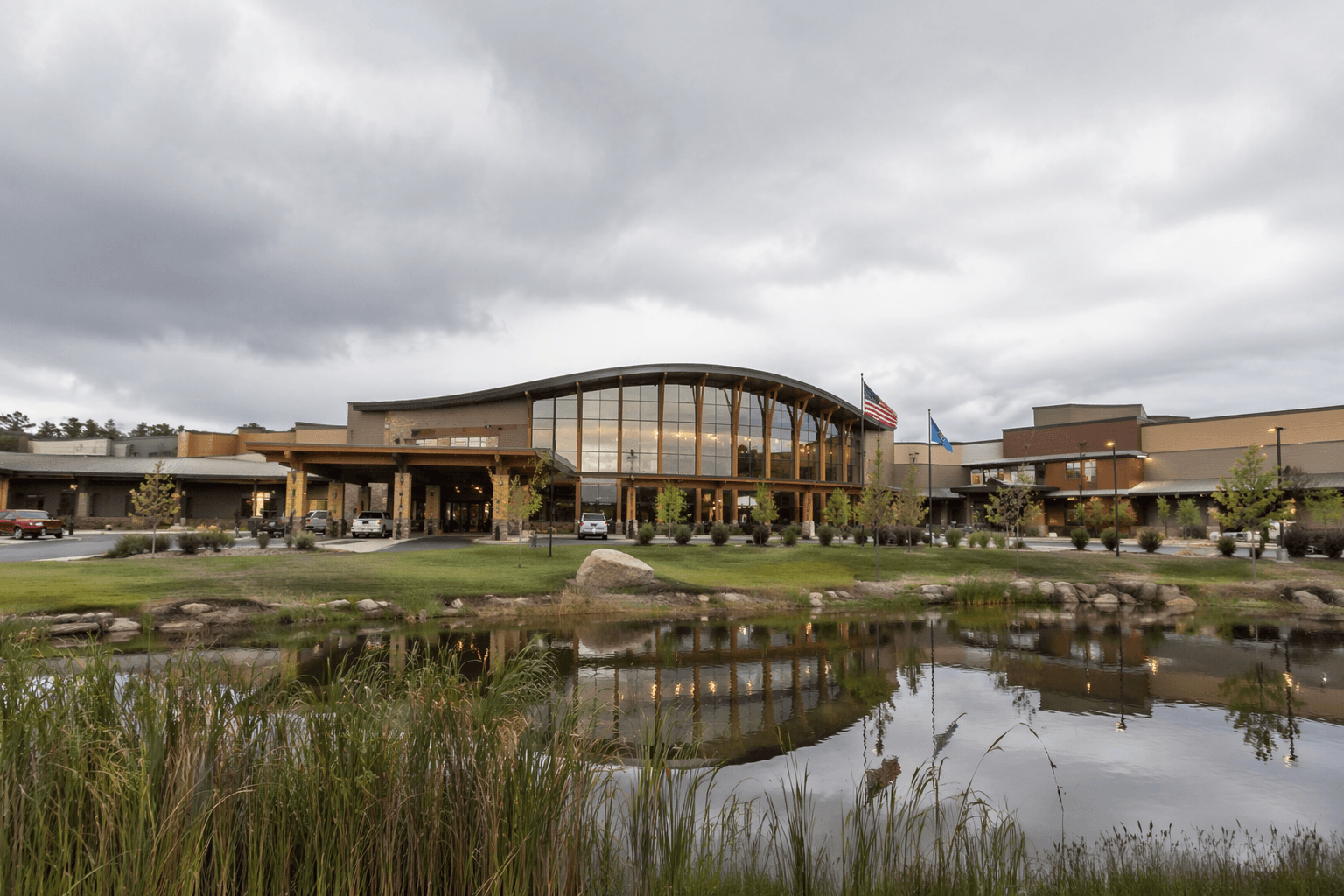
Federal review advances for Menominee Tribe's proposed Kenosha casino
Federal review moved ahead on the Menominee Tribe’s Kenosha casino as the BIA reviewed a March assessment. The project could mean 1,075 permanent jobs and new revenue for services back home.

The Menominee Tribe’s long-shot casino plan in Kenosha cleared another federal hurdle, but the biggest approvals still sit ahead. The U.S. Bureau of Indian Affairs released a March 2026 environmental assessment for the Menominee Indian Tribe of Wisconsin Kenosha Casino and Fee-to-Trust Project, setting up the next round of decisions on whether about 59 acres in Kenosha can be placed into federal trust for a casino and hotel.
That trust step is the core of the fight. The parcels sit south of 60th Street, north of 75th Street and west of Interstate 94, and the tribe cannot open gaming there unless the Secretary of the Interior finds the project is in the tribe’s best interest and not detrimental to the surrounding community. Wisconsin’s governor must also concur before gaming can occur. The draft assessment comment period closed by early April, and the BIA is now reviewing feedback before making a final determination.
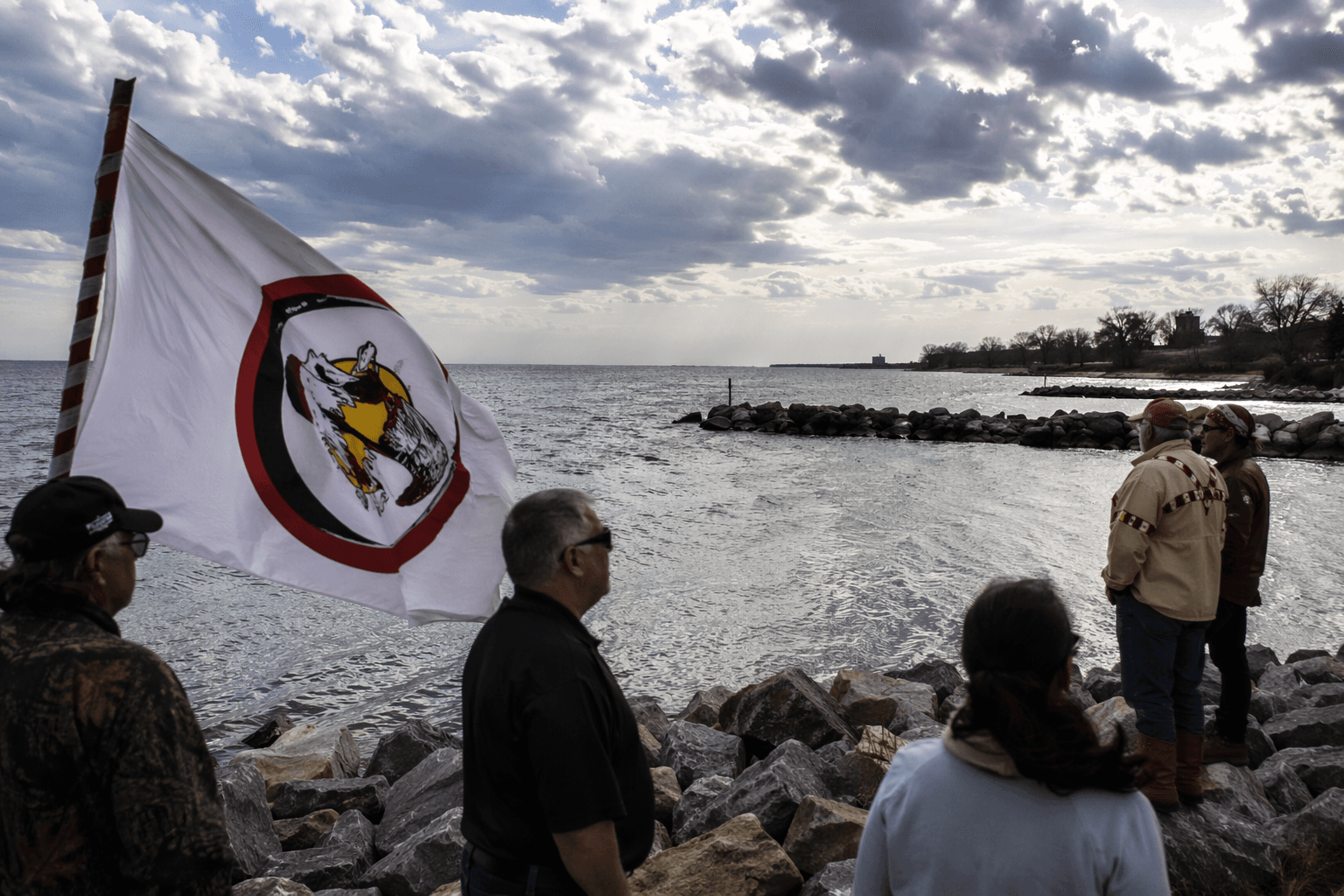
For the Menominee Tribe, based in Menominee County, the stakes are economic as much as legal. The tribe has said the project would create more than 1,000 permanent jobs in its final phase, while the socioeconomic appendix projects about 1,075 permanent jobs and 975 construction jobs over an 18-month buildout. It also estimates nearly $332 million in annual economic output for Kenosha County and about $132 million for the rest of Wisconsin. Supporters argue that kind of revenue could strengthen tribal funding for health care, infrastructure and education back home.
Kenosha Mayor David Bogdala has backed the proposal as a regional growth opportunity, and the City of Kenosha and Kenosha County have approved agreements supporting it. Opponents remain organized, too. Milwaukee Mayor Cavalier Johnson said southeast Wisconsin already has the Potawatomi Hotel and Casino and declared, “We don’t need another casino.” The Forest County Potawatomi Community has also opposed the plan, arguing it would divert revenue from its Milwaukee operations.
Critics say the review still does not adequately address traffic, crime, gambling addiction and broader economic harm. Lorri Pickens of Citizens Against Gambling said the environmental review falls short on those issues, even as the BIA says the process met required standards. The agency has also noted that it is the lead federal agency on the project and that the land request must satisfy federal trust-land regulations.
The casino proposal itself has been on the table for decades. A federal notice in 2012 said the BIA had already prepared a final environmental impact statement for a proposed 223-acre fee-to-trust transfer and casino-hotel complex in Kenosha. Kenosha County records also show intergovernmental agreements involving the Menominee Tribe, the Menominee Kenosha Gaming Authority, the City of Kenosha and Kenosha County dating to 2005, underscoring how long the project has tied together federal review, local politics and the tribe’s push for an economic foothold far from Menominee County.
This article was produced by Prism’s automated news system from verified source data, official records, and press releases, then run through automated quality and moderation checks before publishing. The system is built and supervised by the people who set the standards it runs under. Read our full AI policy.
Did this article answer your question?