Menominee County eases spring weight limits south of County Road 374
South of County Road 374, Menominee County has restored normal hauling limits. North of it, spring weight restrictions remain in place for now.
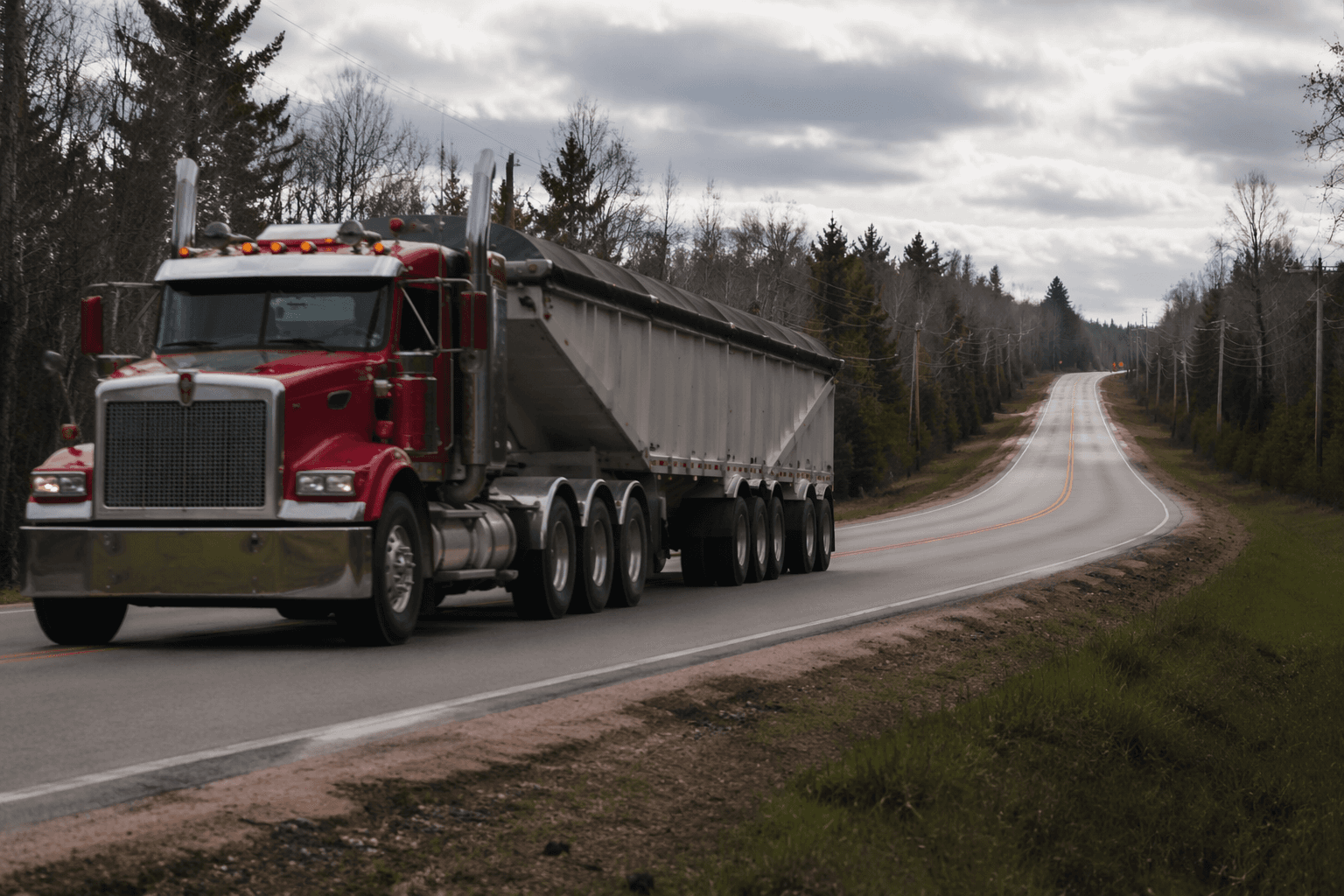
Contractors, log haulers, farmers and delivery drivers moving across Menominee County got a partial break when the highway department restored normal legal loading south of County Road 374, while spring weight restrictions stayed in force north of that line except on all-season routes.
The county’s April 25 change lifted the posted limits south of County Road 374, also known as G-18. The lighter rules still matter elsewhere in the road system, where drivers must watch for seasonal postings before moving heavy equipment, farm loads, construction materials or timber.
Menominee County first imposed the 2026 seasonal restrictions on Wednesday, March 11, under state law. Signage went up that day, and active enforcement began at 12:00 p.m. The posted-road limits were 6 tons per single axle, 10 tons per tandem axle and 21 tons maximum gross weight.
The Menominee County Highway Department said thawing frost weakens roadbeds and that heavy truck traffic can greatly damage road surfaces when pavement and subgrade are vulnerable. That is the central reason the county posts roads each spring: to protect roads that taxpayers already paid to build and keep open, and to avoid deeper damage that can follow a short period of thaw.
The county’s own records show how routine, but still costly, the spring posting has become. Over the previous six years, the average length of Menominee County’s weight-limit posting was 40.86 days. The shortest run was 30 days, and the longest was 47 days.
Wisconsin Department of Transportation guidance says seasonal weight restrictions are meant to protect Wisconsin’s road investments. WisDOT ended its statewide frozen-road declaration on February 20, after declaring highways frozen statewide on February 6, but county and town roads could still be posted or limited by local governments. WisDOT also monitors temperature forecasts and frost tubes under pavement to judge when roads are frozen enough for heavier loads.
The frozen-road law includes narrow exceptions for some seasonal traffic, including trucks carrying logs cut crosswise, but not woodchips, along with salt and sand for winter maintenance when cold weather allows. For Menominee County, that makes the posted signs and local notices the key instructions for haulers working through Keshena, Neopit, Zoar and the broader Menominee Indian Reservation road network.
The highway department’s public materials place the office at W2703 Chief Carron Road in Keshena, where Jim Horton serves as highway commissioner. The department says it maintains public access roads throughout the County of Menominee and the Menominee Indian Reservation with snow and ice control, drainage work, resurfacing and repair, grading and graveling, all of which are tied to the same goal: keeping the road system usable after the spring thaw.
This article was produced by Prism’s automated news system from verified source data, official records, and press releases, then run through automated quality and moderation checks before publishing. The system is built and supervised by the people who set the standards it runs under. Read our full AI policy.
Know something we missed? Have a correction or additional information?
Submit a Tip