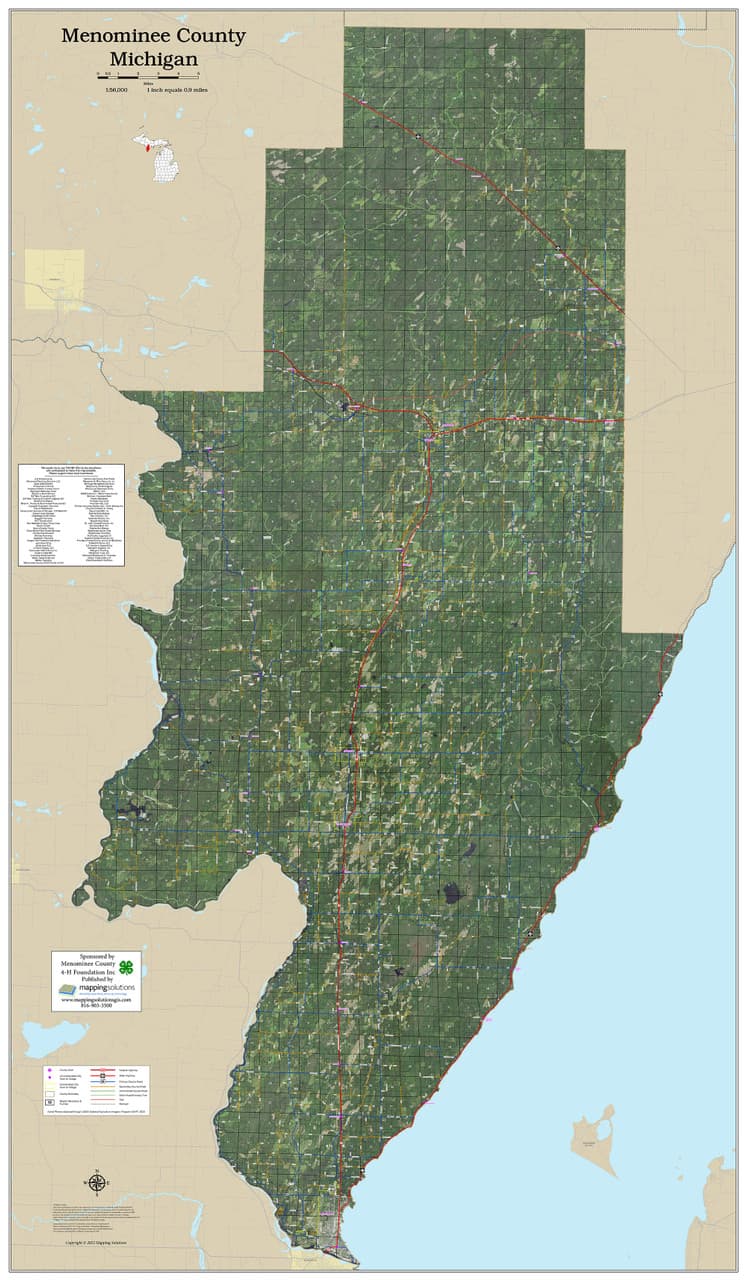
Menominee County zoning rules shape building on shorelines, rural land
A dock, deck, or shoreline cleanup can trigger county rules fast in Menominee County, where most land is zoned and 35-foot shoreline vegetation rules can change what you build.
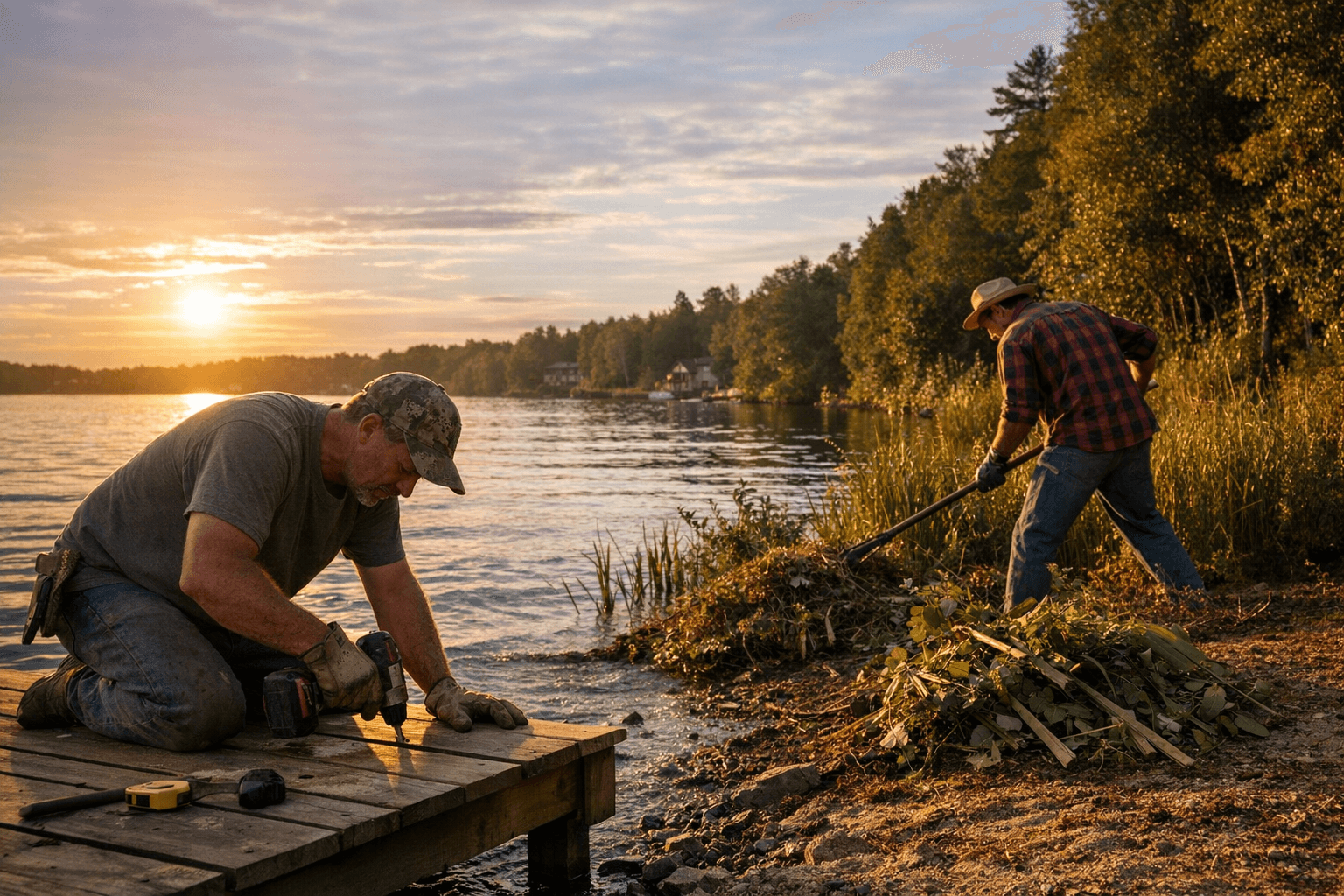
A summer project can turn into a permit problem fast
A homeowner ready to replace a dock, add a garage, or clear brush before summer can run straight into Menominee County’s zoning rules. The county’s message is blunt: if the work touches shoreland or changes how land is used, check first, because all lands within county jurisdiction are zoned and non-tribal land near surface waters is governed by shoreland protection rules.
That matters here more than in most places. Menominee County spans about 234,355 acres, or 360 square miles, and about 223,500 acres are heavily forested. The county also says the Legend Lake area stretches more than six miles and carries 47 1/2 miles of shoreline, with both seasonal and permanent homes packed around the water.
What controls your parcel
The county’s basic zoning authority is Ordinance #67, first adopted April 15, 1999 and later amended June 18, 2020 and April 22, 2021. It applies to all lands within Menominee County jurisdiction, including taxable and fee lands, and it is the tool the county uses to control land use, the bulk of structures, and the size of lots, building sites, and yards.
For most property owners, that means the first question is not just what you want to build, but where your parcel sits and what type of work you plan to do. A home addition, a detached garage, a shed, a fence, grading, excavation, or fill can all fall under zoning review depending on the site and scale of the project.
The county’s zoning office is the place to start, and Jeremy Johnson is listed as the department director and zoning contact. The point of the system is not to trap people after the fact, but to direct them to the right permit packet before they break ground.
The shoreline rules are where many projects get complicated
If your property sits near water, Ordinance #68 takes over for non-tribal lands near surface waters. The county adopted the shoreland protection ordinance on September 22, 2016, published it on September 28, 2016, and amended it again on March 18, 2025.
The county says the rule changes were not optional locally. Because of state law changes, all 72 Wisconsin counties had to update their shoreland zoning codes, and Menominee’s version now includes mitigation language that can be used to offset impacts on water quality, near-shore aquatic habitat, upland wildlife habitat, and natural scenic beauty.
The county’s shoreland summary gives property owners one of the most important practical rules to remember: vegetation within 35 feet of the lake must be maintained to help control erosion and nutrient or pollutant runoff. In plain terms, cutting too much shoreline cover can create a compliance problem even if the work seems small.
The projects most likely to trip people up
County permit packets exist for a long list of common jobs, and that list is a good guide to where homeowners often stumble. The department points to separate packets for new homes, additions, alterations, electrical work, plumbing, HVAC, accessory structures like garages and sheds, and smaller projects such as simple decks, signs, fences, grading, excavating, and fill.
That means a job that feels routine can still require a review. A new deck near the lake, a garage expansion, or even a shoreline cleanup that changes vegetation or grade can all raise questions about what rules apply, what setbacks matter, and whether additional approvals are needed.
Legend Lake adds another layer. County FAQs note that Legend Lake owners may also need to submit permit materials to the Legend Lake Property Owners Association, known as the LLPOA, in addition to dealing with county requirements. That extra step is one reason lakeshore projects in the area often take longer than expected.
Why the county treats shoreland as a policy issue, not just a building issue
Menominee County’s rules are tied to the landscape itself. The county says the shoreland ordinance is designed to protect scenic beauty, water quality, wildlife habitat, and the public health, safety, convenience, general welfare, and tax base.
That approach fits a county built around forests, rivers, and lakefront development. The county says four rivers flow through the area, the Evergreen, Oconto, Red, and Wolf, and that the shoreline and woodland setting are central parts of the county’s identity. In a place like this, a driveway, retaining wall, dock, or cleared stretch of bank can affect more than a single parcel.
For property owners, the real consequence of getting it wrong is not just a paperwork headache. Starting work without knowing the rules can create delays, disputes, and enforcement problems, especially when a project is already underway and must be corrected to match county standards.
Who helps, and how the county oversees the rules
Menominee County’s land conservation and zoning department is designed to be more than a permit counter. Staff can meet on site to advise on plants, erosion control, permitting, and tree health, which can help homeowners avoid mistakes before they become expensive repairs.
The county also directs building and zoning questions to the zoning office, while the town building inspector listed on the county site is Mike Miller. That division matters because a project can involve more than one layer of review, especially when building, electrical, plumbing, and shoreline protection issues overlap.
The broader land-management framework is also unusually collaborative. The county’s Land and Water Resource Management Plan covers 2018 through 2027 and is reviewed annually by the Land Conservation Committee. That committee works with the Menominee Indian Tribe of Wisconsin and reallocates up to $8,000 each year from state grant funds to Menominee County.
How Menominee got here
The county’s planning structure reflects its relatively recent creation. Menominee County was established on April 30, 1961, making it Wisconsin’s youngest county according to the comprehensive plan. After receiving a state comprehensive planning grant in 2007, the Town and County of Menominee created a planning commission to oversee the plan.
That history helps explain why the county now treats zoning, land conservation, and shoreline protection as connected parts of one system. Ordinance #67 controls what can be built and how land is used. Ordinance #68 protects the water’s edge. The planning commission, land conservation committee, and zoning department all fit into the same effort to manage growth without losing the county’s forests, lakes, and rural character.
For anyone planning a dock, addition, fence, excavation, or shoreline cleanup, the safest move is simple: check the zoning rules first, confirm whether shoreland protection applies, and make sure the right permit packet is in hand before any work starts.
This article was produced by Prism’s automated news system from verified source data, official records, and press releases, then run through automated quality and moderation checks before publishing. The system is built and supervised by the people who set the standards it runs under. Read our full AI policy.
Did this article answer your question?