Menominee Nation leader discusses tribal domestic violence response, reporting
Rachel Fernandez says Menominee domestic-violence cases move through tribal and federal systems, not county court alone. The difference shapes how victims get help and how quickly abuse is answered.
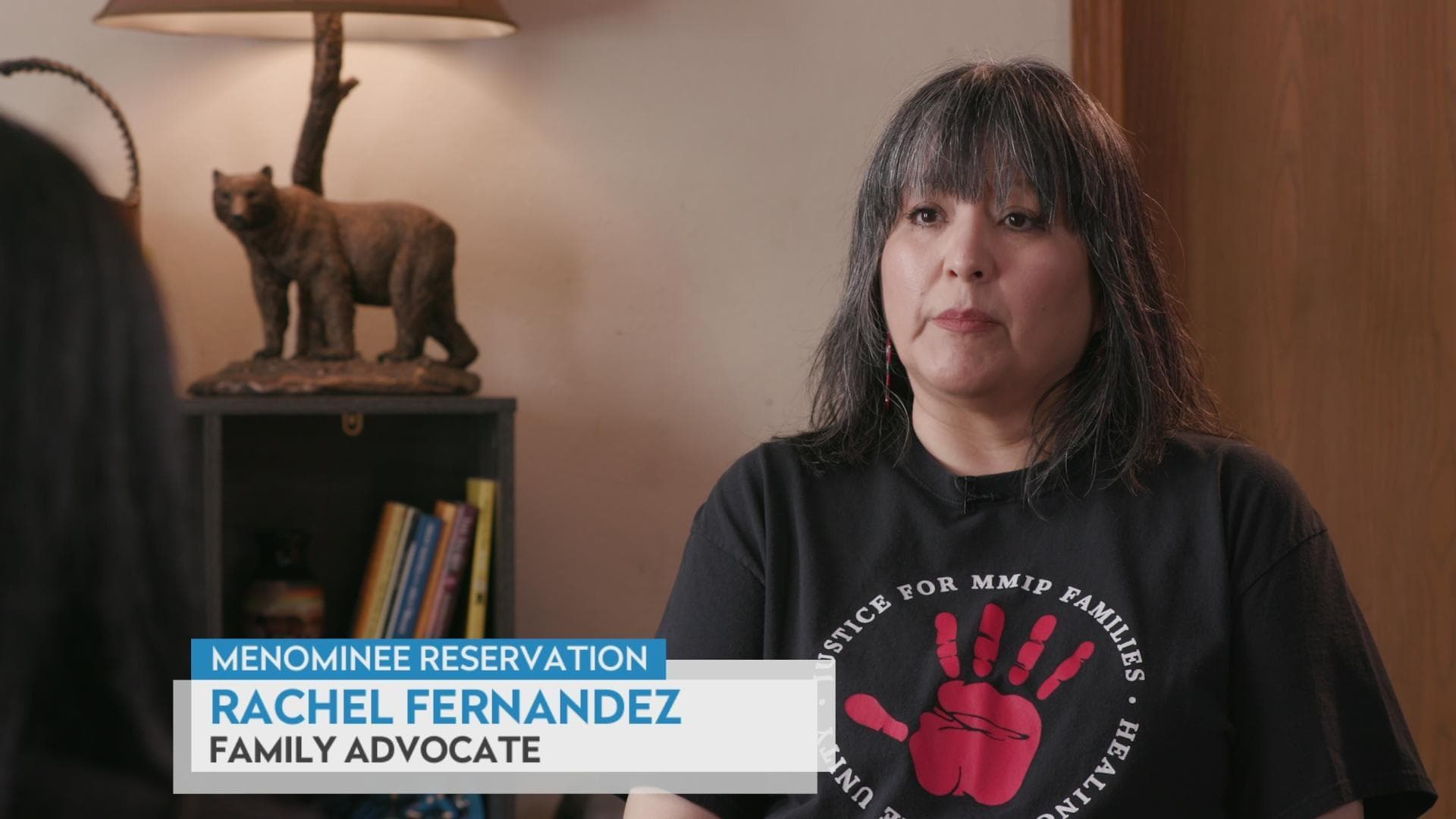
Domestic violence on the Menominee Indian Reservation is handled through tribal and federal law, a legal reality that Rachel Fernandez says local families need to understand before a case turns into a crisis.
Fernandez, who is the executive director of Maeqtekuahkihkiw Metaemohsak Inc. and is listed by the Menominee Indian Tribe of Wisconsin as director of Advocacy Support Services, was highlighted in a May 19 PBS Wisconsin segment focused on how domestic violence is reported and prosecuted in Menominee Nation communities. The segment said domestic violence is investigated and charged by the sovereign tribal government, underscoring that victims in Menominee County are not moving through a county system alone.
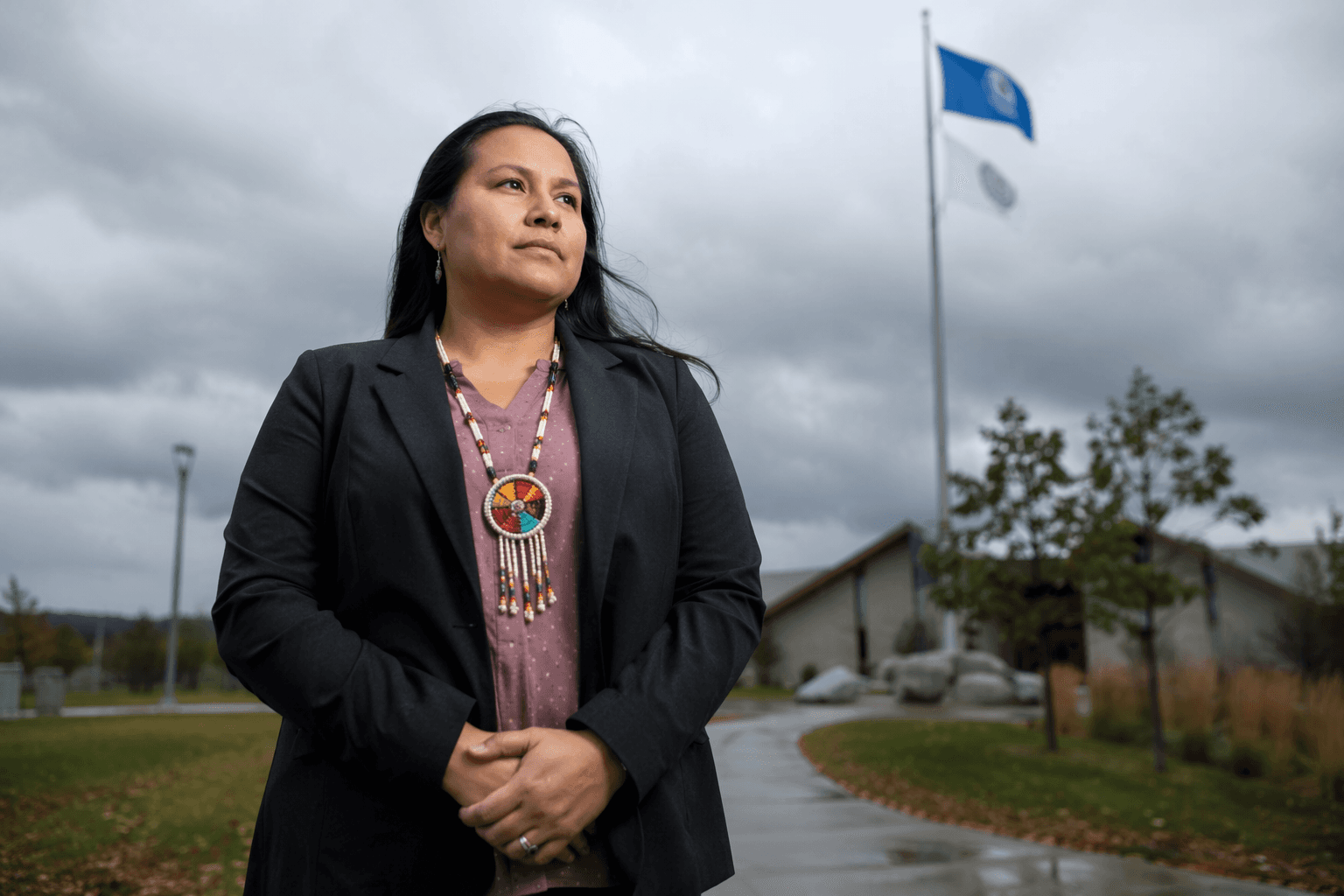
That distinction matters in practical terms for residents of Keshena, Neopit and Zoar, where tribal, federal and community resources can overlap. The Menominee Tribal Police Department says its Crime Victims Program provides services intended to help victims through the criminal-justice process and stresses cooperation with law enforcement. The tribe’s departments list also shows that advocacy support is built into the local response, with Fernandez leading the office alongside domestic violence and sexual assault counselor positions.
Federal law gives another layer of authority. The U.S. Department of Justice says crimes on the Menominee Indian Reservation are primarily governed by federal and tribal law, and the Violence Against Women Act gives participating tribes special domestic violence criminal jurisdiction over some defendants, including some non-Indians, for covered offenses. For victims, that means a report may trigger tribal, federal or coordinated action depending on the facts of the case.
The stakes are high. The National Indigenous Women’s Resource Center says American Indian and Alaska Native women face some of the highest rates of domestic violence in the country, and it warns that tribal-led domestic-violence programs are often underfunded and overextended. In Menominee County, that strain can show up as delays, gaps in communication, or confusion about where to turn first when abuse is happening at home.
Fernandez’s public bio says she has advocated for victims of domestic violence and sexual assault for many years and has led efforts against gender-based violence and for missing and murdered relatives. Her role reflects a broader local response that depends on advocacy, law enforcement and prosecution working together. For Menominee Nation residents, the immediate need is clear: stronger coordination, clearer reporting pathways and more support for victims can make the difference between a hidden pattern of abuse and an intervention that protects a family.
This article was produced by Prism’s automated news system from verified source data, official records, and press releases, then run through automated quality and moderation checks before publishing. The system is built and supervised by the people who set the standards it runs under. Read our full AI policy.
Know something we missed? Have a correction or additional information?
Submit a Tip