Menominee students build skills through Showcase theater production
Showcase turned Menominee student theater into real-world training, building confidence, teamwork, and cultural continuity in a way families can see on stage.
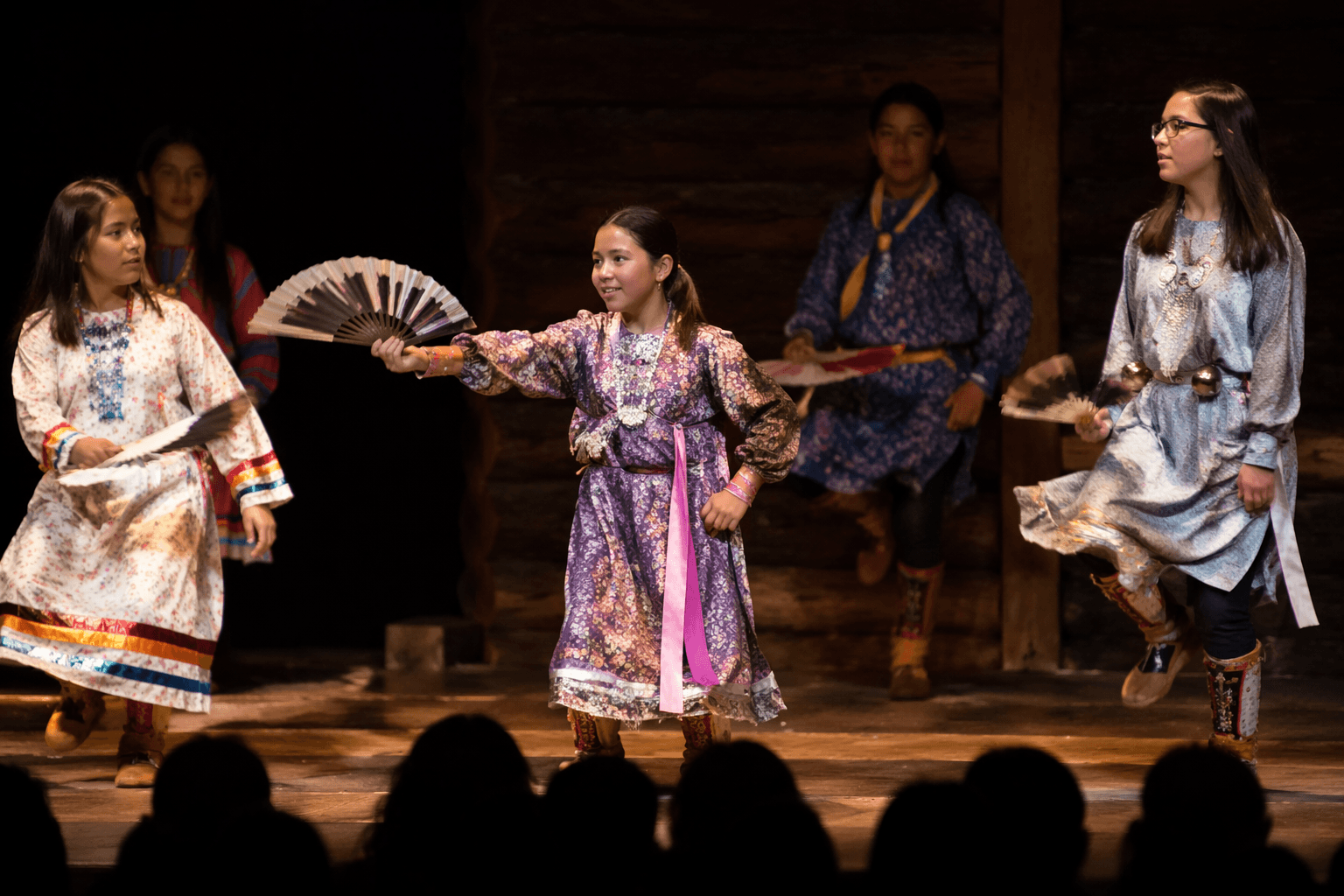
A student theater production in Menominee is doing more than filling seats. Showcase gives high school performers and crew a public place to practice speaking, teamwork, and responsibility while tying that learning to Menominee culture and the county’s arts future. For parents, younger students, and anyone watching the next generation come up through local schools, the value is visible in the work itself.
A stage project with a wider lesson
The summer 2026 production brought together the College of Menominee Nation and Menominee Nation High School in a joint effort built around CMN’s Learn and Earn program. That program is supported by a Wisconsin Technical College System grant and is designed to give high school juniors and seniors a head start on college while building the habits that make higher education feel possible rather than distant.
Showcase was not treated as a side activity. It was built as a practical training exercise, with short scenes drawn from full-length shows so students could demonstrate cast and crew roles. That structure matters because it makes the learning public. Students were not only told they could act, organize, and problem-solve, they had to do it in front of an audience and carry the work from audition to final performance.
What the students had to do
The production asked students to take on the full theater process, not just the spotlight moments. They selected scripts, participated in auditions, and worked through the steps needed to mount a show. That kind of responsibility gives students experience that reaches beyond drama class, because it requires preparation, timing, communication, and the ability to keep working when a scene does not come together on the first try.
The cast and crew named for Showcase included Johnathan Sechrist, Sara Kelley, Christopher Wilber Jr., Ashaylex Awonohopay, James Awonohopay, Cece Grignon, Harmony Doud, Nevaeh Pecore, Taylesia Pamonicutt, Dacey Webster, Kenzie Webster-Wayka, and Givon Peters. The summer cohort also included students such as Kai Wayka, showing that the production functioned as a shared learning space where students could rotate through different forms of responsibility and see how each role supports the whole performance.
That mix of duties gives local families something concrete to look for. A student who can keep track of cues, listen closely, and stay composed on stage is also building the habits needed for classroom discussions, group projects, and college assignments.
Confidence that shows in public
The strongest part of Showcase is that it makes growth visible. Ashaylex Awonohopay described the director as exacting and persistent, which suggests a rehearsal room built on high expectations rather than easy praise. Harmony Doud connected success in college-style work to staying on top of assignments, paying attention in class, and participating with good humor. Kai Wayka added a simple but useful piece of advice: keep an open mind and do not let awkwardness stop you from trying something new.
Those student perspectives matter because they show the program’s effect in the students’ own language of experience. The lesson is not just that theater is fun. It is that students learn how to take feedback, recover from mistakes, and keep showing up, which are the same qualities that help them in higher education and in work after school.
That is especially meaningful in a county where opportunities that combine academics, arts, and cultural identity can be limited. A production like Showcase gives younger students a place to imagine themselves on stage or behind it, and it gives parents a chance to see school-based arts as preparation for adulthood rather than a separate extracurricular lane.
The Menominee cultural thread
The production also sits inside a larger cultural story. The Menominee Indian Tribe of Wisconsin says its history in Wisconsin dates back 10,000 years, and the tribe identifies ongoing efforts to preserve the Menominee language and certify Language and Culture teachers. It also says education programs have integrated traditional practices such as harvesting wild rice, maple syrup, and gardening.
That context makes theater more than an after-school activity. In Menominee culture, acting and stage work are treated as a traditional artform, and the Menominee word mamātāweqtan captures that connection. When students rehearse scripts, speak clearly, and work as an ensemble, they are participating in a form of expression that links present-day schooling to a much older community tradition.
The broader historical landscape also reaches beyond one campus. Shawano Country notes that Shawano is named after Chief Sawanoh, identified as a Menominee chief, and that Shawano County and Menominee County are both part of its tourism and events footprint. That connection underscores how Menominee cultural life has long shaped the region around it, not just the reservation or the county line.
Why this matters for Menominee County’s future
Showcase offers a model for how arts programming can serve more than one purpose at once. It helps students get comfortable speaking in public, working with others, and taking responsibility for a shared result. It also keeps Menominee language and cultural expression present in schools where students are learning how to move toward college, careers, and adulthood.
For Menominee County, that matters because arts programs are not only about performance nights. They are part of a pipeline that builds confidence in the students on stage, gives younger children a reason to picture themselves there next, and strengthens the county’s long-term arts identity by connecting education with cultural continuity.
This article was produced by Prism’s automated news system from verified source data, official records, and press releases, then run through automated quality and moderation checks before publishing. The system is built and supervised by the people who set the standards it runs under. Read our full AI policy.
Did this article answer your question?