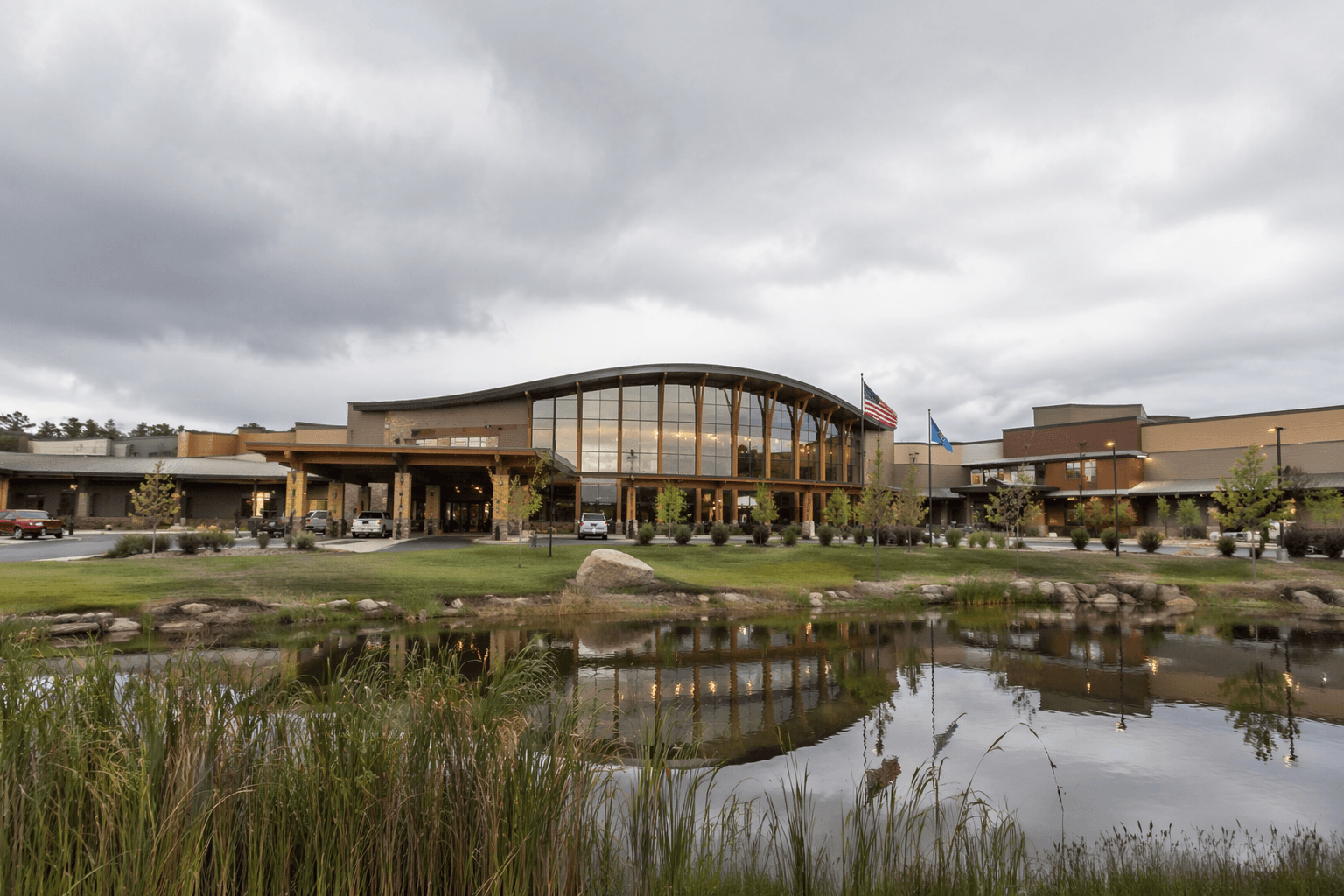
Menominee Tribal Enterprises faces worker shortage, aging equipment at Neopit sawmill
Menominee Tribal Enterprises is still moving millions of board feet of lumber from Neopit, but worker shortages, drug-screen hurdles and aging machinery are straining the mill.
Menominee Tribal Enterprises is still one of the Menominee Indian Reservation’s economic anchors, but the sawmill in Neopit is operating under pressure from a thin applicant pool, aging equipment and a recent fire that took out a key building. The strain reaches beyond the mill floor: it affects local jobs, tribal self-sufficiency and the tribe’s ability to turn its forest into lumber for reservation needs.
The sawmill typically produces between 22 million and 25 million board feet of lumber a year and ships wood worldwide, but managers have been wrestling with a shortage of workers willing to do physically demanding logging and mill work. The company requires every applicant to pass a pre-employment drug screen and remain drug free under a zero-tolerance policy, and jobs are first posted to enrolled Menominee applicants before they are opened to the general public. That hiring structure reflects tribal preference, but it also narrows the pool at a time when the mill is already struggling to find enough people who can meet the requirements.
Those staffing gaps matter because the mill is more than an industrial site. Earlier reporting placed Menominee Tribal Enterprises as the reservation’s third-largest employer and estimated its annual impact at $37 million. For Menominee County, that means wages, household spending and a core tribal business that helps support a local economy where forest products remain a major source of revenue and identity.
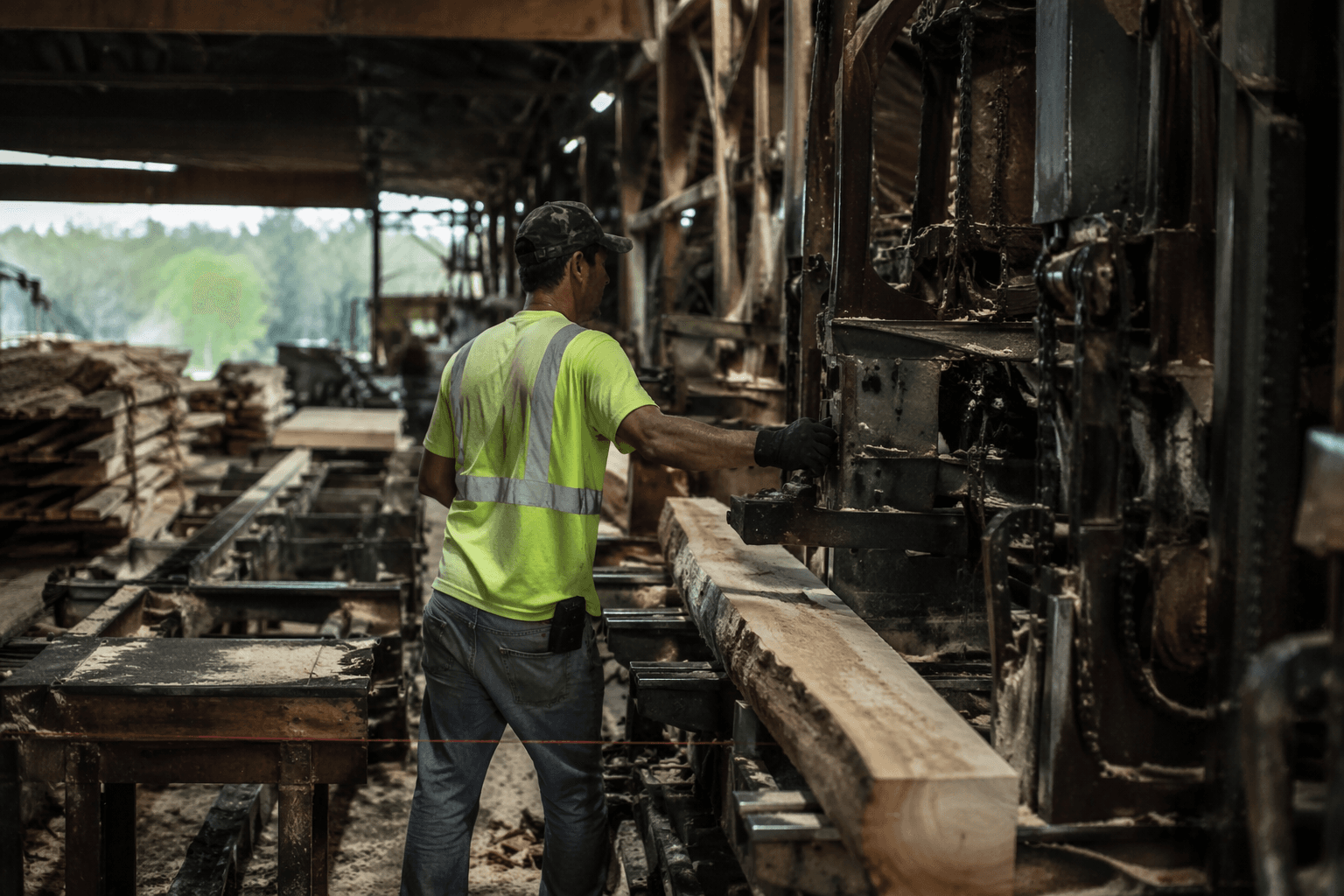
The pressure is also mechanical. COVID-era shutdowns and aging equipment have kept the Menominee from meeting production goals, even as demand for wood products remains high. Tribal leaders have previously said they were exploring a new sawmill and maple syrup production to improve profitability, and a $5 million federal grant for new sawmill machinery was expected to improve efficiency and help retain jobs. That investment underscores how much the tribe is trying to modernize without losing the labor-intensive forest practices that have defined Menominee Forest Management for generations.
The forest itself shows the scale of that long-term approach. The Menominee Tribe has pulled nearly 200 million cubic feet of timber from the forest since 1854, yet the forest still has more trees on the same acreage than it did 150 years ago because of selective harvesting methods. In the mill, workers have long relied on a unique sign language to communicate in the noisy environment, a reminder that the operation has always blended cultural continuity with industrial adaptation.

That balance was tested again on March 3, 2026, when a fire destroyed MTE’s stacker building and associated equipment and damaged lumber inventory. No injuries were reported, but the loss of that building added another layer of uncertainty to a site that is already trying to keep production steady, maintain tribal jobs and keep wood moving for the reservation’s future.
This article was produced by Prism’s automated news system from verified source data, official records, and press releases, then run through automated quality and moderation checks before publishing. The system is built and supervised by the people who set the standards it runs under. Read our full AI policy.
Did this article answer your question?