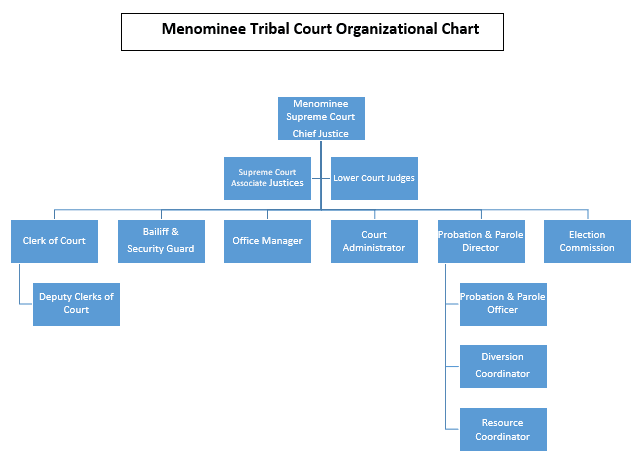
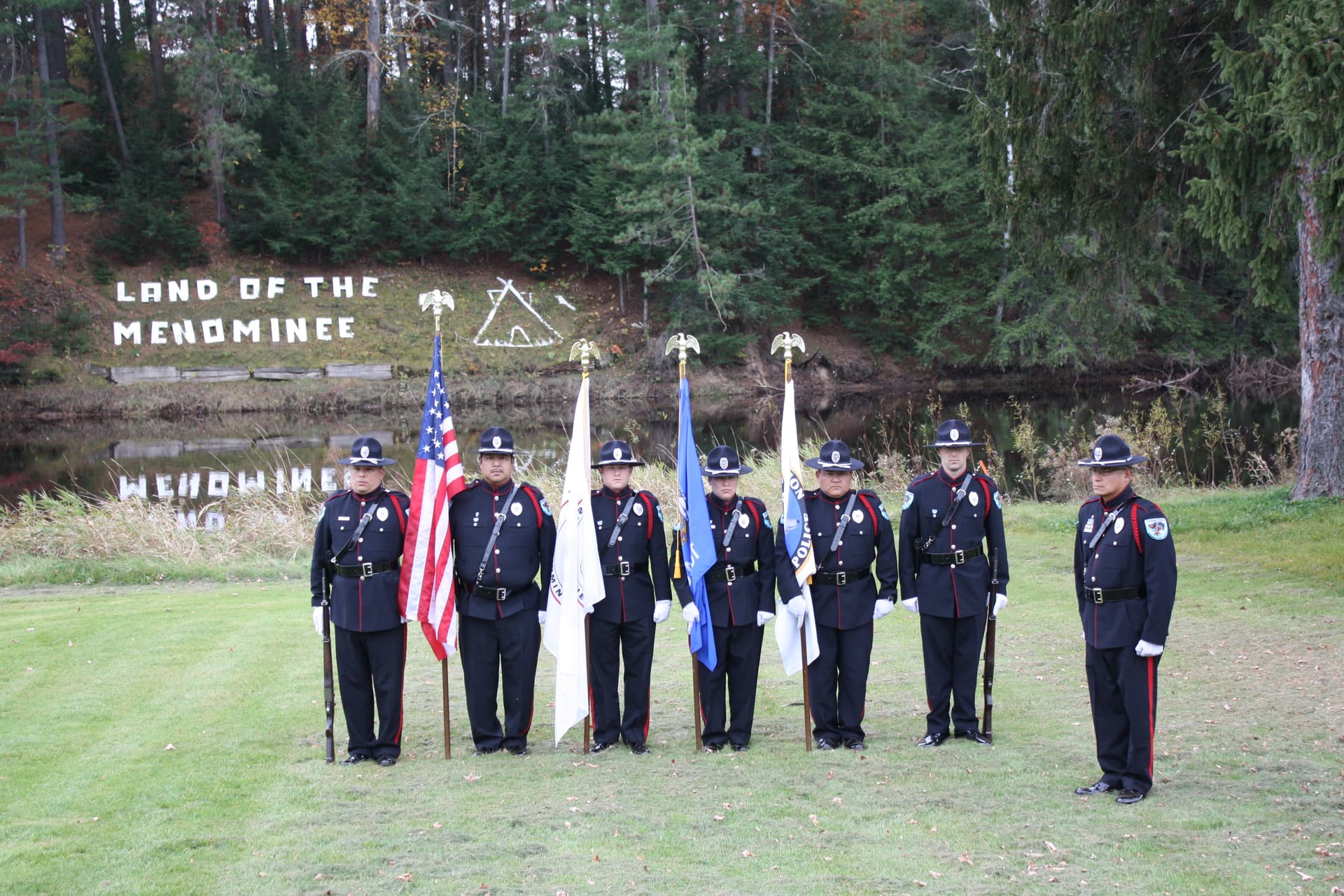
Milwaukee Mayor Johnson Opposes Menominee Nation's Proposed Kenosha Casino Project
Milwaukee Mayor Cavalier Johnson opposed the Menominee Nation's $360M Kenosha Hard Rock casino, adding city hall's opposition to an already contentious federal gaming review.
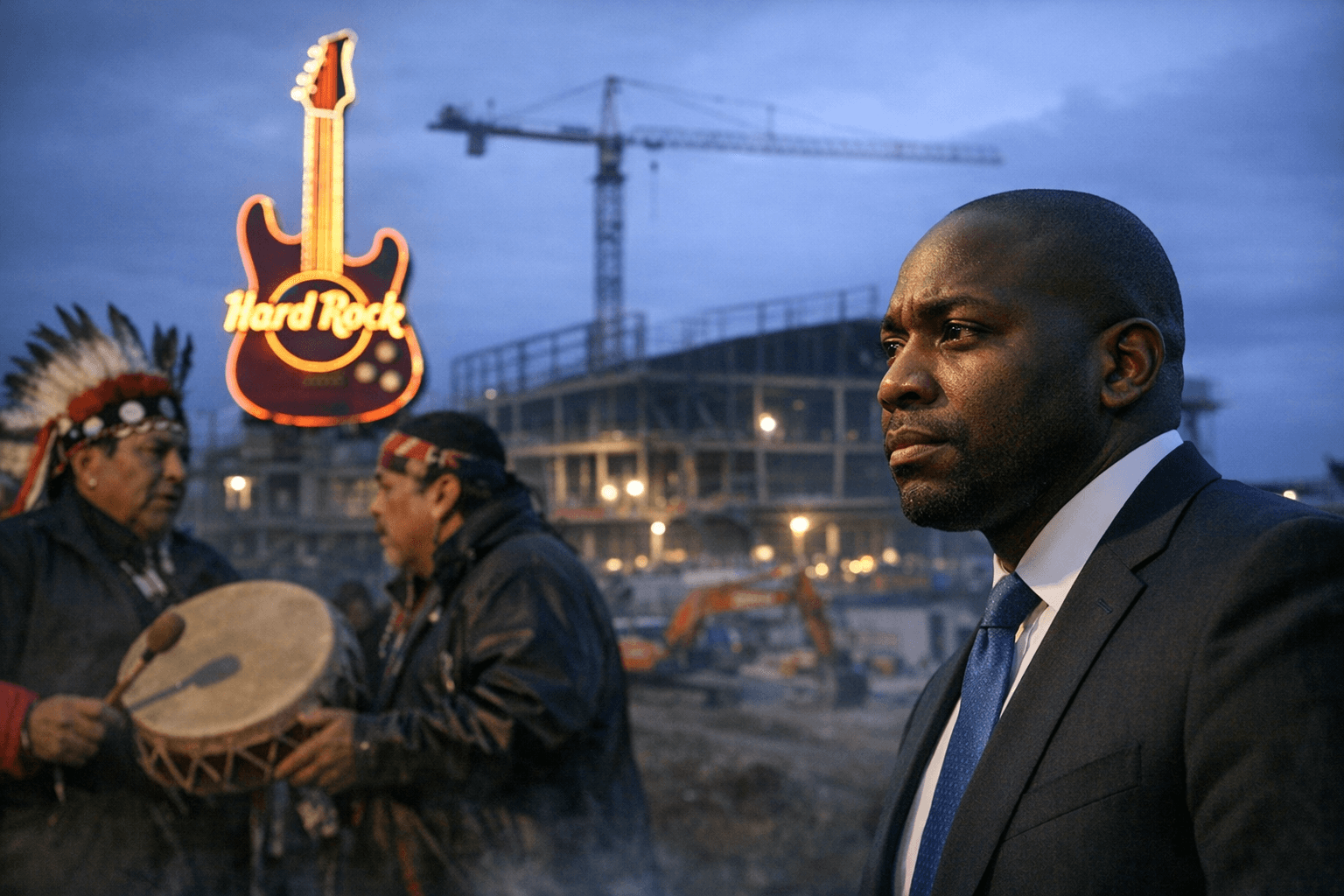
Milwaukee Mayor Cavalier Johnson publicly broke with supporters of the Menominee Indian Tribe's proposed Hard Rock Hotel and Casino in Kenosha, formally signaling city hall's opposition to the $360 million project as it enters a critical federal review window.
Johnson's move adds a prominent municipal voice to a growing roster of opponents who argue the casino would siphon customers and revenue from existing gaming operations in Milwaukee and southeastern Wisconsin, most notably the Forest County Potawatomi's casino in Milwaukee. The project's supporters, led by Menominee Chairman Joey Awonohopay, counter that the complex would generate roughly 1,000 permanent jobs and deliver millions in annual payments to Kenosha and Kenosha County each year.
The proposed development would occupy approximately 60 acres just west of Interstate 94 near 60th Street and the I-94 West Frontage Road in Kenosha, built under the Hard Rock International brand through a partnership with the Seminole Tribe of Florida. The Bureau of Indian Affairs released a draft environmental assessment in March 2026, finding no significant environmental impacts and opening a public comment period that runs through April 12. Federal approval of a land-into-trust designation, followed by a governor-negotiated gaming compact, would still be required before construction could begin.
Wisconsin Governor Tony Evers holds final say on any gaming compact and has expressed broader openness to tribal gaming rights than his predecessor. Republican Gov. Scott Walker rejected an earlier Menominee casino proposal at a different Kenosha County site in 2015, citing the state's compact with the Potawatomi, which allows that tribe to withhold payments to Wisconsin if a competing casino diverts customers from its Milwaukee facility. Those same compact provisions remain central to today's opposition, with a new casino within 50 miles of the Potawatomi's Milwaukee operation potentially triggering withholding rights worth tens of millions in annual state gaming revenue.
For residents tied to the Menominee Nation's enterprises in Keshena and Neopit, the debate carries consequences well beyond Kenosha's city limits. The tribe's gaming revenues underpin employment, housing, health care, and tribal services across Menominee County. A prolonged off-reservation expansion campaign redirects both capital and political attention toward a project still requiring multiple layers of federal and state clearance.
Evers, who will not seek a third term and exits office in January 2027, would face the final political decision on a Hard Rock Kenosha compact. With the BIA comment period closing April 12, the Department of the Interior's next move will signal whether the land-into-trust process advances, or whether the proposal stalls yet again before ever reaching the governor's desk.
This article was produced by Prism’s automated news system from verified source data, official records, and press releases, then run through automated quality and moderation checks before publishing. The system is built and supervised by the people who set the standards it runs under. Read our full AI policy.
Did this article answer your question?