Vandals damage Menominee Tribal School greenhouse project in Neopit
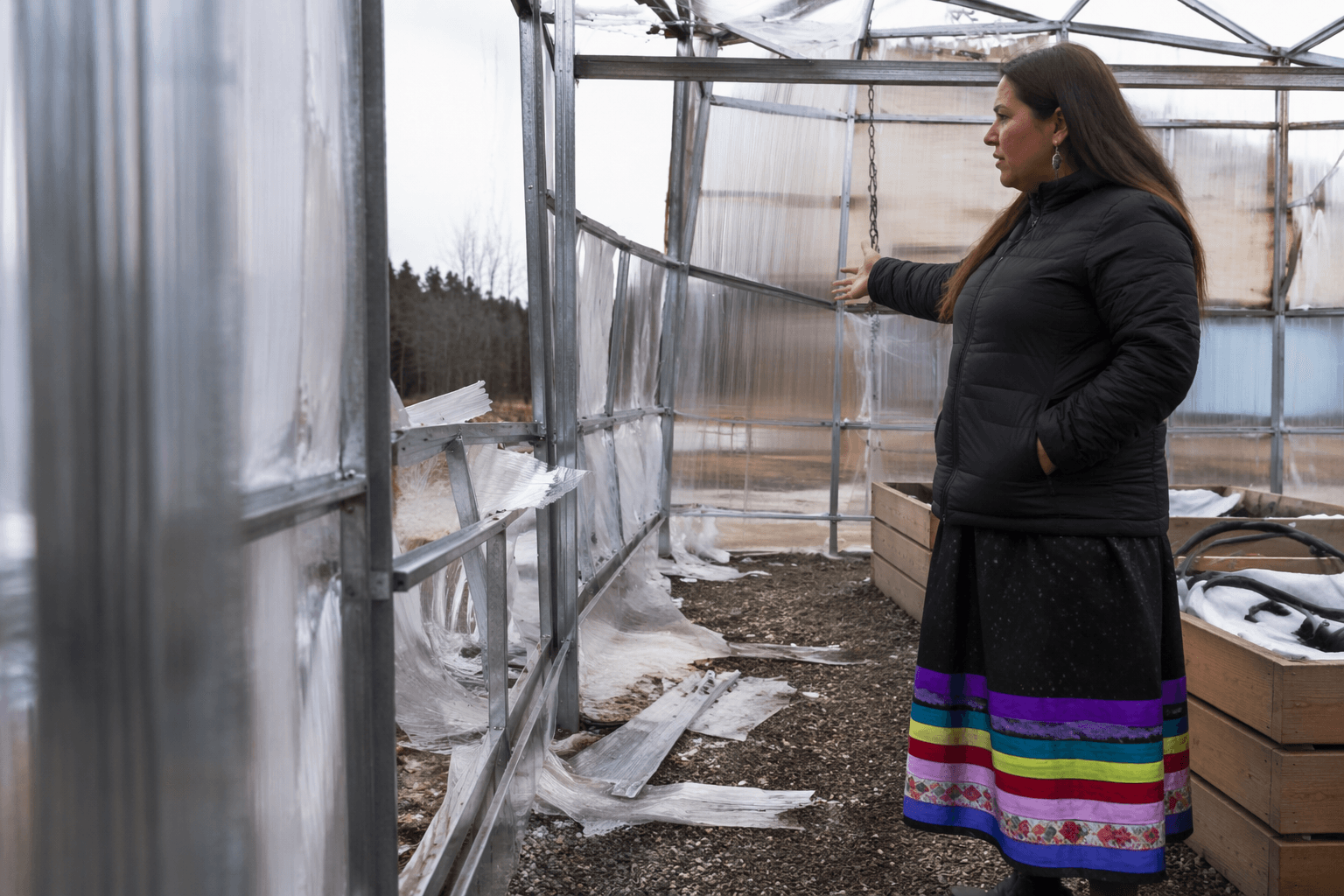
Vandals damaged the Menominee Tribal School greenhouse in Neopit before it was finished, delaying a project meant to give students hands-on cultural learning.
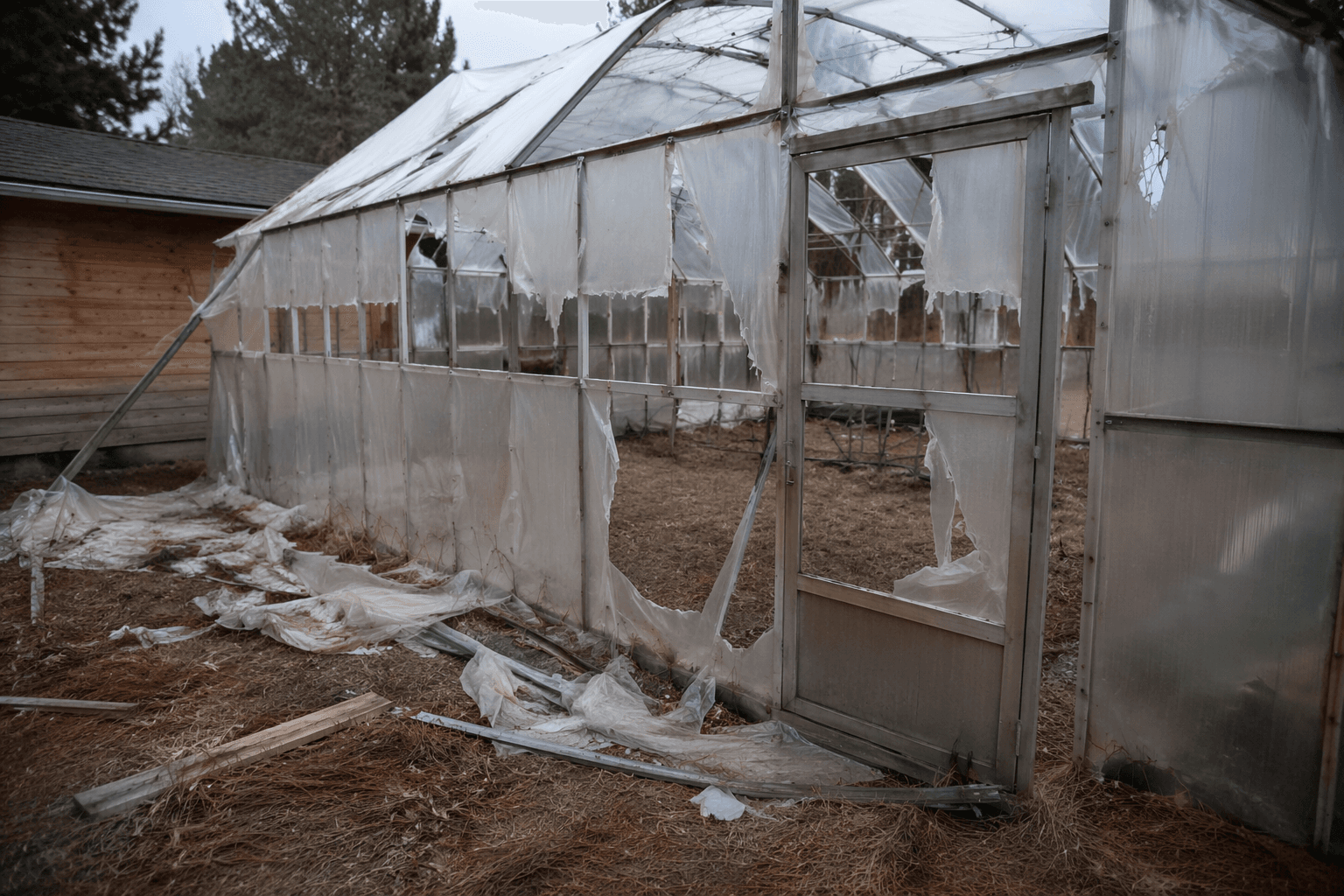
Vandals damaged a portion of the Menominee Tribal School greenhouse project on the Neopit campus while the structure was still being built, setting back a project intended to give students a hands-on place to learn. The damage hit more than lumber and panels. It interrupted work on a school asset meant to connect classrooms to culture, gardening and practical skills.
Because the greenhouse was still under construction, the immediate consequence was a delay in getting the project finished and ready for students. Any repairs also threaten to add costs and push back the timeline for planting, class use and volunteer work tied to the build. For a school project designed to support learning by doing, the setback comes at the worst possible time: before students and staff could fully use it.
The Menominee Tribal School is at W6817 Church Street, PO Box 39, Neopit, WI 54150, and its main line is 715-756-2354. School staffing lists Craig Corn as maintenance supervisor and Jenna Corn as dean of students, while the Menominee Indian Tribe of Wisconsin’s education department lists Shannon Chapman and Paula Fernandez as education directors. Those names are likely to matter as the school weighs repairs, schedules and the next steps needed to get the greenhouse back on track.
The loss also lands hard because the greenhouse fits into a larger tribal education effort that links schoolwork with Menominee traditions. Tribal education materials say programs have incorporated harvesting wild rice, maple syrup and gardening, and tribal cultural materials emphasize preserving language and culture through education. On the Menominee Indian Reservation, where the tribe’s homelands once covered more than ten million acres in what is now Wisconsin and Upper Michigan, a greenhouse is not just a building. It is a place where students can learn stewardship, responsibility and culture through direct experience.
If the project stalls too long, students lose more than a seasonal planting space. They lose a chance to learn in a setting built around the tribe’s own values and practices, and the community loses momentum on a project meant to serve the school for years. In Neopit, where school projects often carry both educational and cultural weight, the vandalism has already turned a constructive effort into a repair job.
This article was produced by Prism’s automated news system from verified source data, official records, and press releases, then run through automated quality and moderation checks before publishing. The system is built and supervised by the people who set the standards it runs under. Read our full AI policy.
Know something we missed? Have a correction or additional information?
Submit a Tip