Wisconsin Supreme Court Candidates Clash on Issues Key to Menominee County
Taylor's April 7 win locks in a 5-2 liberal Wisconsin Supreme Court majority, just as a ruling on Menominee tribal sovereignty at Legend Lake awaits.

Chris Taylor's election to the Wisconsin Supreme Court last Tuesday will push the court to a 5-2 liberal supermajority, a result that carries direct consequences for the Menominee Indian Tribe's pending legal fight over land rights at Legend Lake.
Taylor, a Court of Appeals judge from Dane County, defeated conservative opponent Maria Lazar, also an appeals court judge, for the seat vacated by retiring Justice Rebecca Bradley. Taylor's victory is the fourth consecutive win for Democratic-backed candidates in the state's high court elections, locking the liberal majority in through at least 2030.
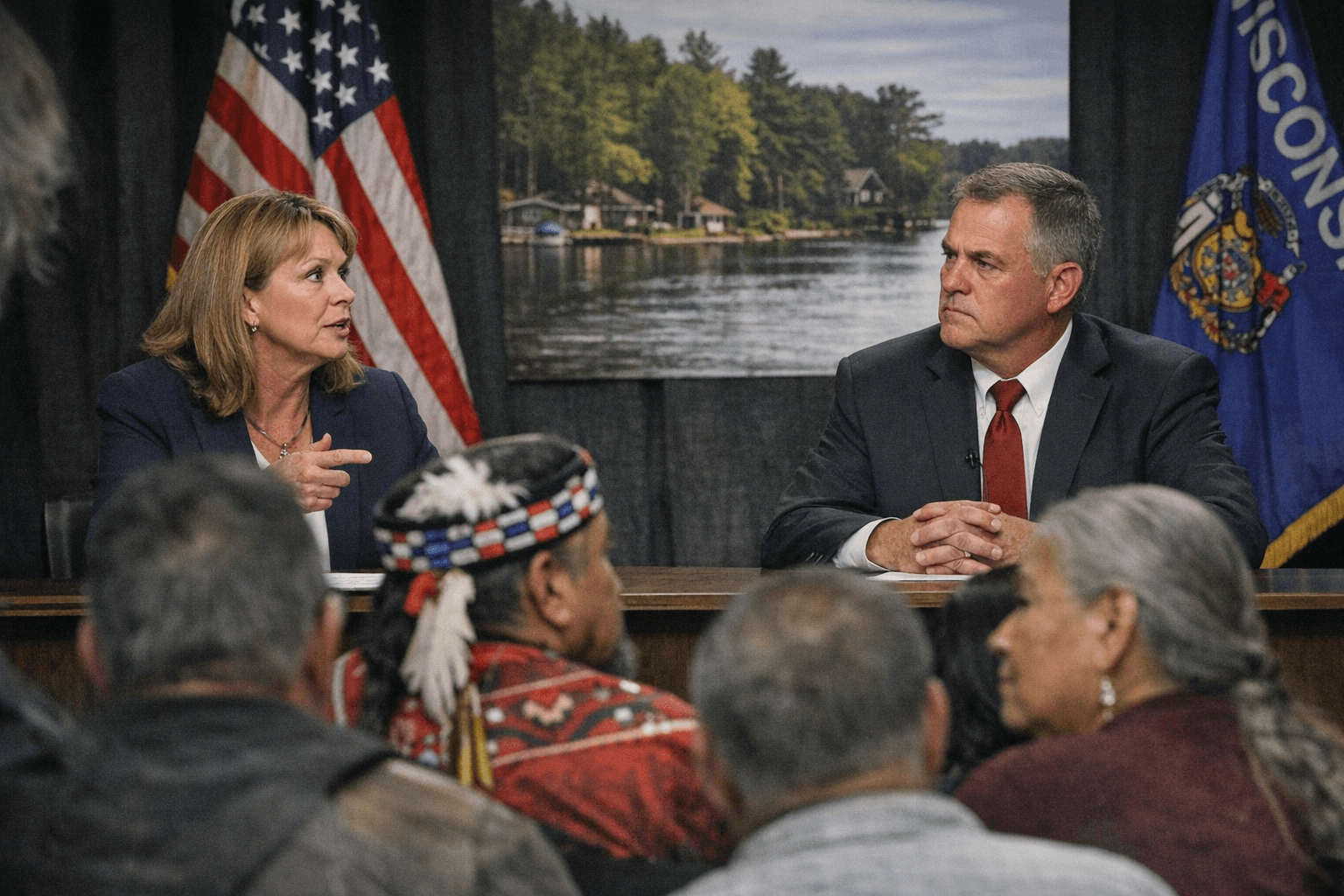
The debate that preceded Tuesday's vote, held April 2 in Milwaukee and hosted by WISN, made the philosophical stakes plain. Lazar described her judicial outlook as "originalism with a touch of textualism," a framework that tends to produce narrower readings of statutory protections for tribal sovereignty. Taylor accused Lazar of bringing a right-wing agenda to the bench and pointed to a Lazar appellate ruling that the court's current liberal majority had already overturned. The two also clashed sharply over abortion rights and recusal standards.
Those competing philosophies translate into something concrete for Menominee County. The Wisconsin Supreme Court heard oral arguments on October 13 in Legend Lake Property Owners Association v. Keshena, a case asking whether the Menominee Indian Tribe waived its sovereign immunity when it purchased residential lots at Legend Lake that came with restrictive covenants, including one purporting to require any buyer to waive immunity in state court. The Menominee County Circuit Court had sided with the tribe, ruling the lawsuit violates tribal sovereignty. The property owners association appealed. A decision is still pending.
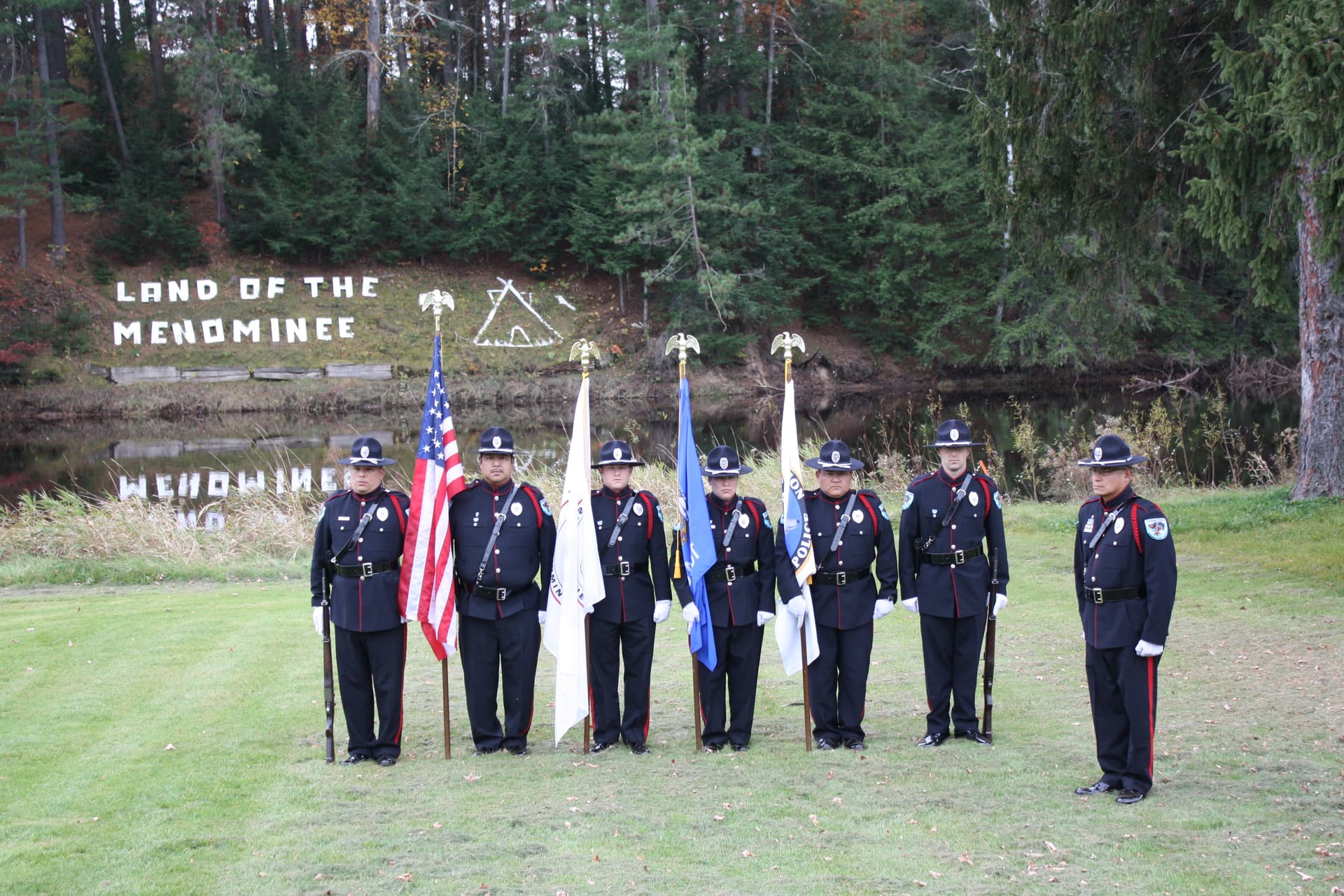
The dispute has deep historical roots. After the federal government terminated the Menominee Tribe's recognized status in 1954, roughly 5,000 acres of tribal forest were opened to residential development, creating the Legend Lake resort community. The tribe's legal restoration through the Menominee Restoration Act in 1973 reinstated its sovereignty. The tribe argues that law preempts any covenants written after its passage and that its own constitution bars waiving immunity in state court. During October oral arguments, several justices appeared sympathetic to that position.
Taylor's win reshapes what comes after. Cases involving tribal taxation authority, the scope of state law enforcement jurisdiction on the Menominee reservation, and abortion-related restrictions already working through state courts represent the next wave of litigation the newly aligned 5-2 court will face. Each question hinges on how justices read statutes, weigh federal preemption, and treat tribal sovereignty as a baseline principle. Under "originalism with a touch of textualism," those readings tend to cut narrower; under the majority now secured through at least 2030, they are likely to run broader, with the balance of state and tribal authority across the reservation hanging in the difference.
This article was produced by Prism’s automated news system from verified source data, official records, and press releases, then run through automated quality and moderation checks before publishing. The system is built and supervised by the people who set the standards it runs under. Read our full AI policy.
Did this article answer your question?