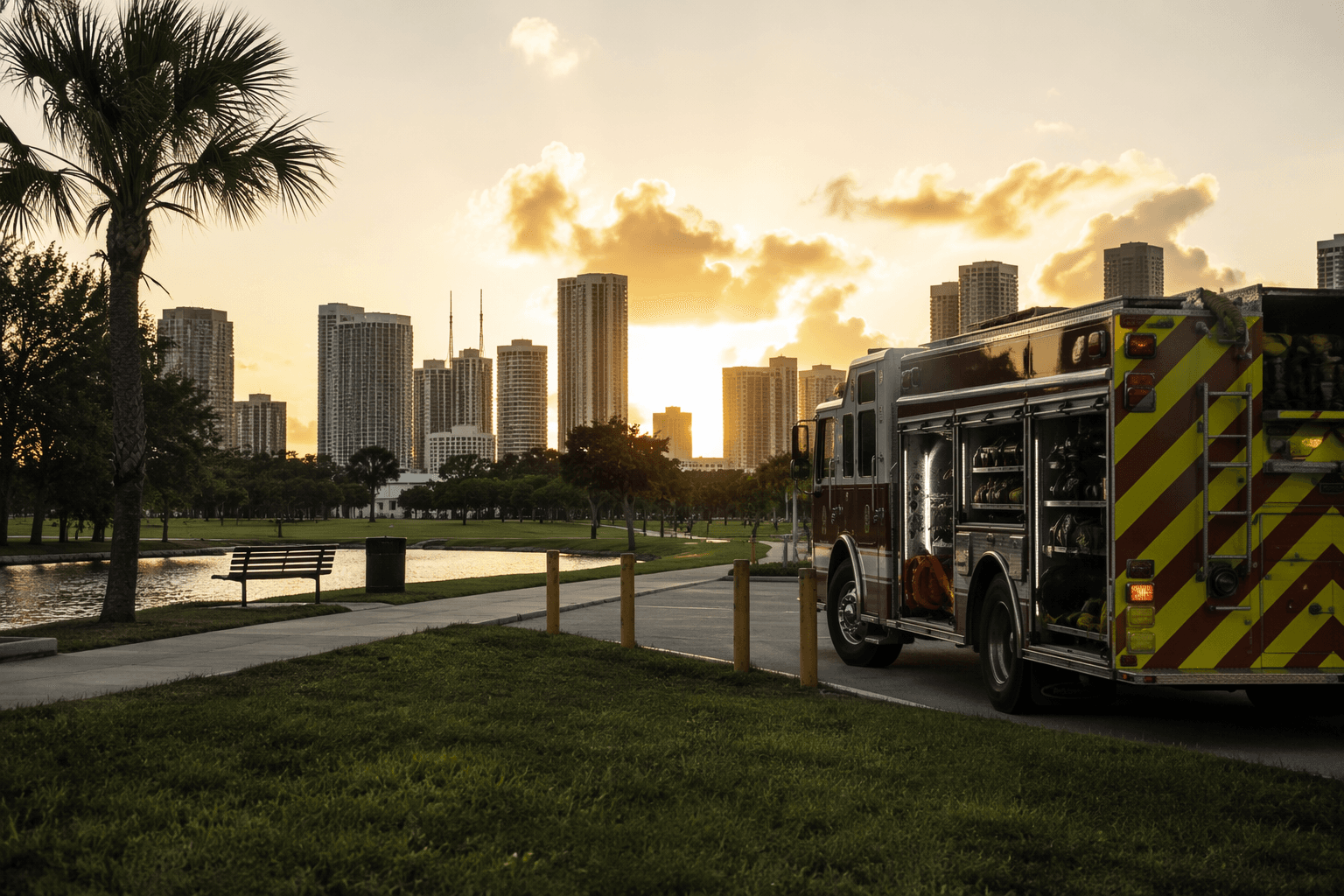
Flock license plate readers spread across Miami-Dade, Broward counties
Miami-Dade has almost 400 Flock readers and Broward more than 800, as Miami and Coral Springs expand state-funded plate tracking.
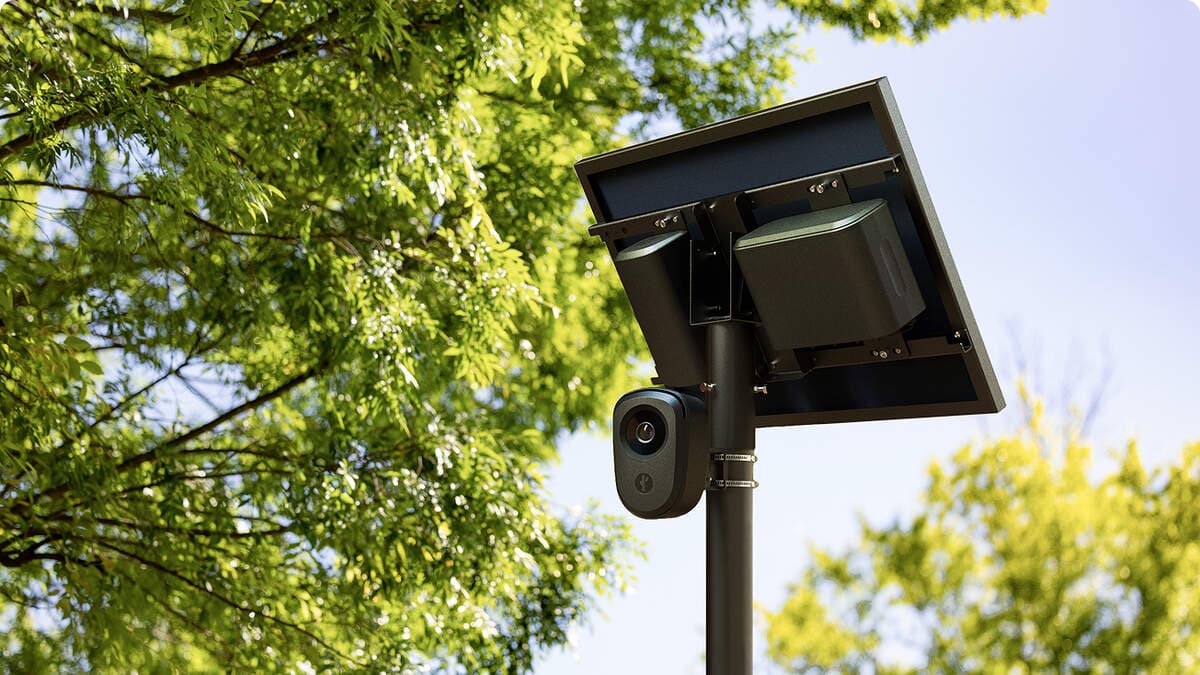
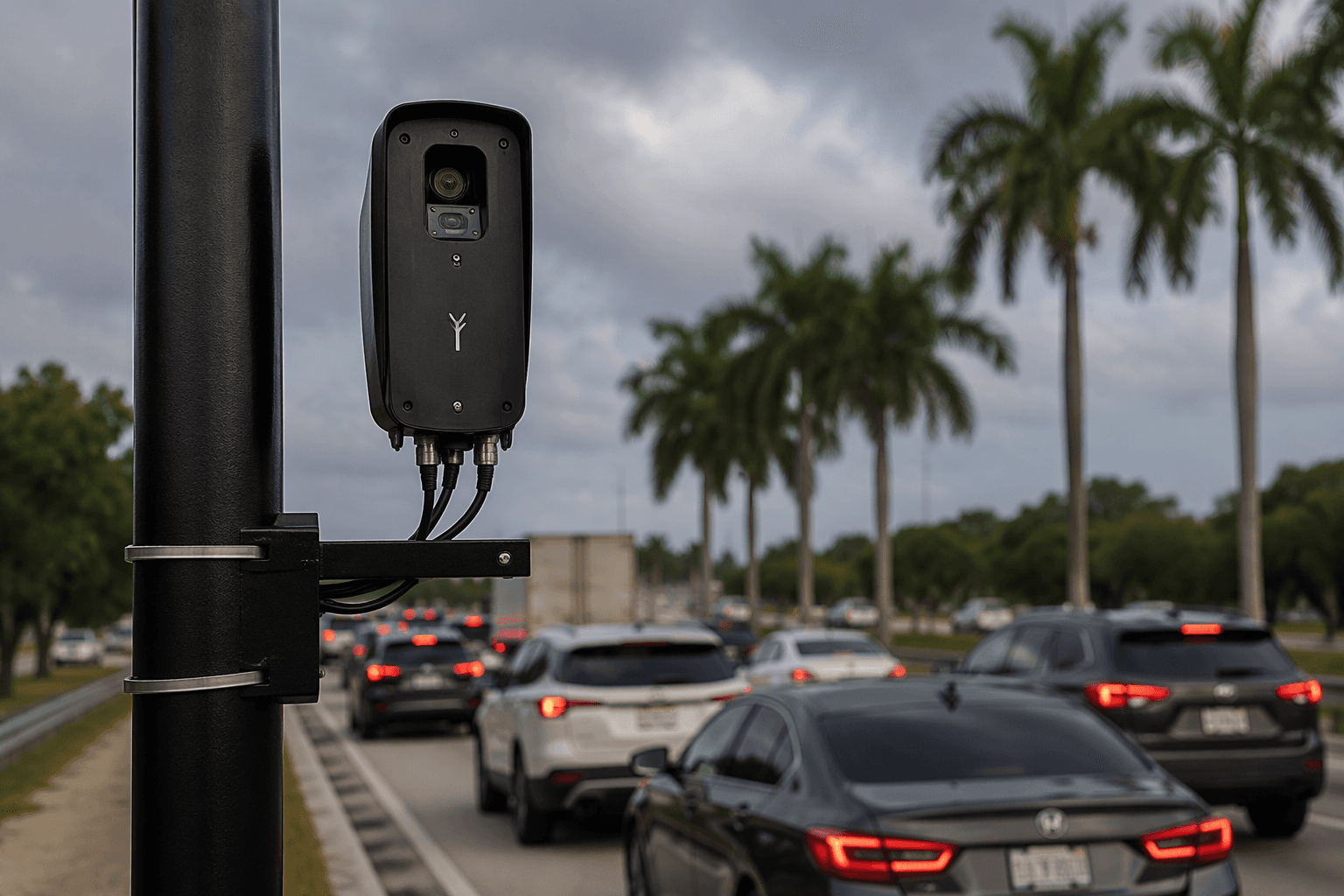
Almost 400 Flock license plate readers are now installed in Miami-Dade County, while Broward County has more than 800, turning the black, oval-shaped cameras on poles into a common sight across South Florida.
Miami Herald tracking of the cameras shows Broward with the heavier concentration, more than double Miami-Dade’s total. Miami police have used a state grant to install Flock cameras, and Coral Springs added readers after approval of a state grant last year, pushing the technology deeper into everyday driving corridors.
The Florida Department of Law Enforcement revised its guidelines for automated license plate readers on Nov. 13, 2024. Those guidelines say the systems are used to help law enforcement detect and identify stolen vehicles, wanted persons, missing and endangered children and adults, and people connected to serious and violent crimes. Florida law section 316.0777 governs license plate readers, and the Florida Department of Transportation’s guidance ties installation to state-highway rights-of-way and the state rules that go with them, including a public-records exemption.
That framework matters in places like Coral Springs, where residents raised privacy concerns after the new readers went up and coverage now extends across all major roads leading into and out of the city. For commuters moving between Miami-Dade and Broward, or driving through Coral Springs on the way to work, school or shopping, each pass under a reader can become part of a searchable record available to law enforcement under state rules.
Flock Safety says in its trust materials that its cameras do not detect faces, people, gender or race. The ACLU of Florida says Flock’s mass-surveillance license plate readers raise civil liberties concerns, and the broader civil liberties debate has sharpened as local agencies keep adding the devices with state funding.
The result is a widening split between public safety claims and privacy fears. Police agencies point to stolen cars, wanted suspects and serious crimes; residents in heavily monitored corridors are left with a different reality, one in which vehicle movements across Miami-Dade and Broward are increasingly documented by cameras most drivers barely notice until they are already in place.
This article was produced by Prism’s automated news system from verified source data, official records, and press releases, then run through automated quality and moderation checks before publishing. The system is built and supervised by the people who set the standards it runs under. Read our full AI policy.
Did this article answer your question?