Miami Beach launches Quiet Zone pilot to curb vehicle noise
Miami Beach’s new South of Fifth Quiet Zone will be judged by one question: does it lower late-night noise, or just push it to nearby blocks?
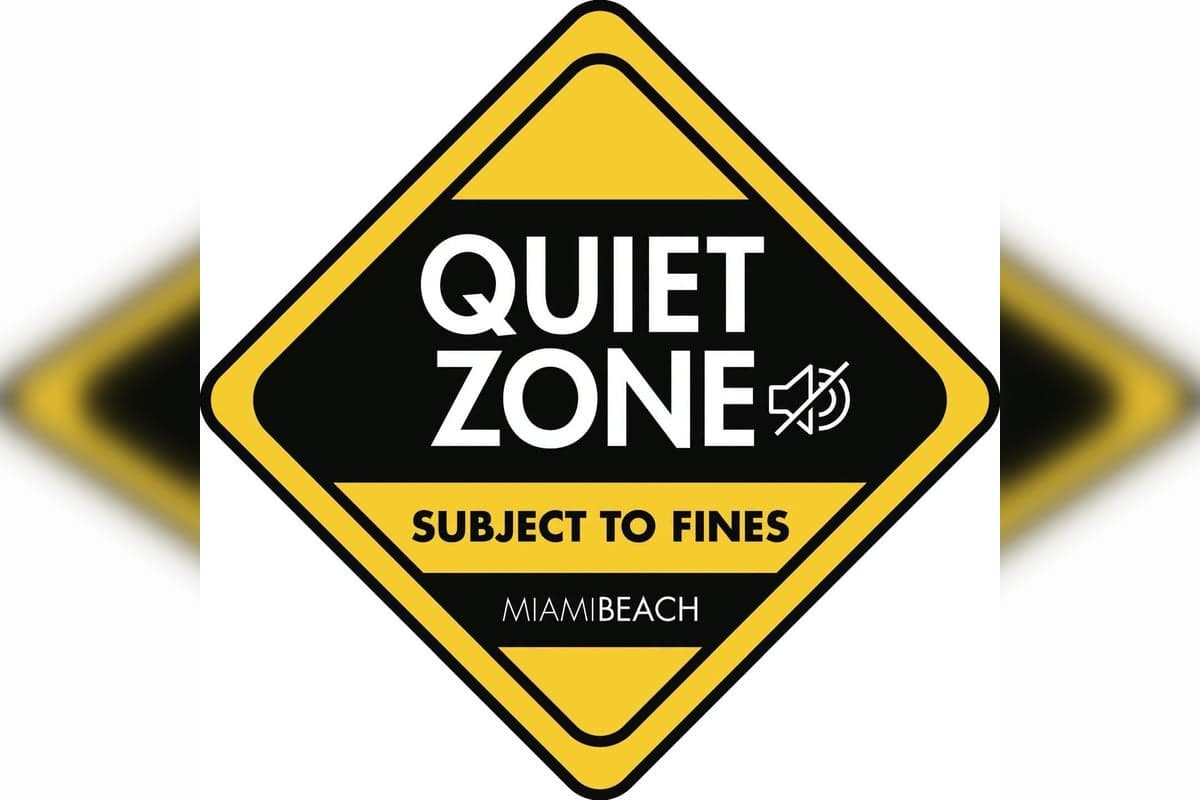
Miami Beach launched a yearlong Quiet Zone pilot in South of Fifth, putting bright yellow warning signs at neighborhood entrances and telling drivers that excessive vehicle noise can bring fines. The test over the next 12 months is whether the city can quiet late-night revving and loud exhaust without pushing the problem to nearby blocks.
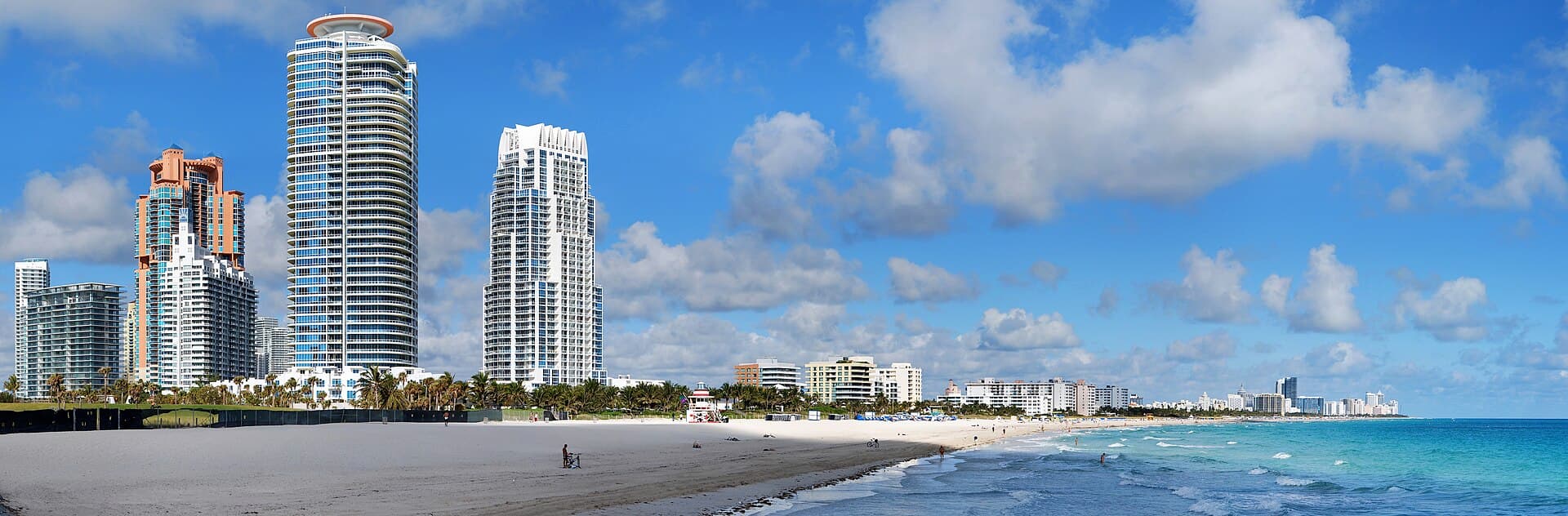
South of Fifth is one of Miami Beach’s most tightly defined residential enclaves, stretching from Fifth Street south to Government Cut and from the Atlantic Ocean to Biscayne Bay. That matters because the area sits at the edge of the city’s nightlife corridor, where luxury condos, late-night traffic and tourism traffic overlap with people trying to sleep.
The Quiet Zone fits into a longer fight over noise in Miami Beach. The city code already makes it unlawful to create “unreasonably loud, excessive, unnecessary or unusual noise,” and a 2021 commission memorandum said residents had complained for years while enforcement against vehicles and vessels remained difficult because they move away quickly. That same memo said some civil fines had not been updated since 2006.
Vice Mayor Laura Dominguez sponsored the pilot. Mayor Steven Meiner backed it by saying residents deserve to rest peacefully in their homes, especially late at night. Dominguez was named vice mayor on April 14, 2026, and will serve through July 31, 2026, putting her in the city’s lead role as commissioners judge whether the pilot should be extended.
Enforcement is being handled by Miami Beach police during regular evening patrols under Operation Quiet Streets. Officers can issue citations under state law and city ordinances, including Florida rules that require exhaust systems to stay in good working order and bar modifications that make vehicles louder than when originally manufactured.
The real measure of success will be visible in complaint logs, citation counts and whether noise simply migrates outside the pilot area. Police have already been writing tickets under Operation Quiet Streets. One tally put loud-vehicle citations at about 675 in 2025 and 513 in the first two and a half months of 2026; another placed 2025 vehicle-noise citations at 539, above the 2024 total of 423. Either way, the numbers show the city is already enforcing the issue before the Quiet Zone has had a full year to work.
Miami Beach plans to evaluate the pilot after 12 months and decide whether to expand it to other neighborhoods. In a city that depends on both nightlife and neighborhood livability, the question now is whether South of Fifth can keep both.
This article was produced by Prism’s automated news system from verified source data, official records, and press releases, then run through automated quality and moderation checks before publishing. The system is built and supervised by the people who set the standards it runs under. Read our full AI policy.
Did this article answer your question?