Miami burglary suspect identified by fingerprint on sunglasses
A fingerprint on sunglasses helped crack a nearly two-month-old Miami burglary that police say netted about $150,000 in jewelry. Video captured the moments before the ransacking in Silver Bluff Estates.

A fingerprint on a pair of sunglasses inside a Silver Bluff Estates home helped Miami detectives identify a suspect in a burglary police say left about $150,000 worth of jewelry missing. Video also captured the moments before the home was ransacked, giving investigators a timeline before the case broke open nearly two months later.
The burglary in Miami-Dade County turned on two pieces of evidence that often make the difference in a property case: surveillance footage and a trace left behind by the person who entered the home. Police say the video showed the suspect’s movements before the theft, while the sunglasses inside the house carried the fingerprint that linked a person to the break-in.
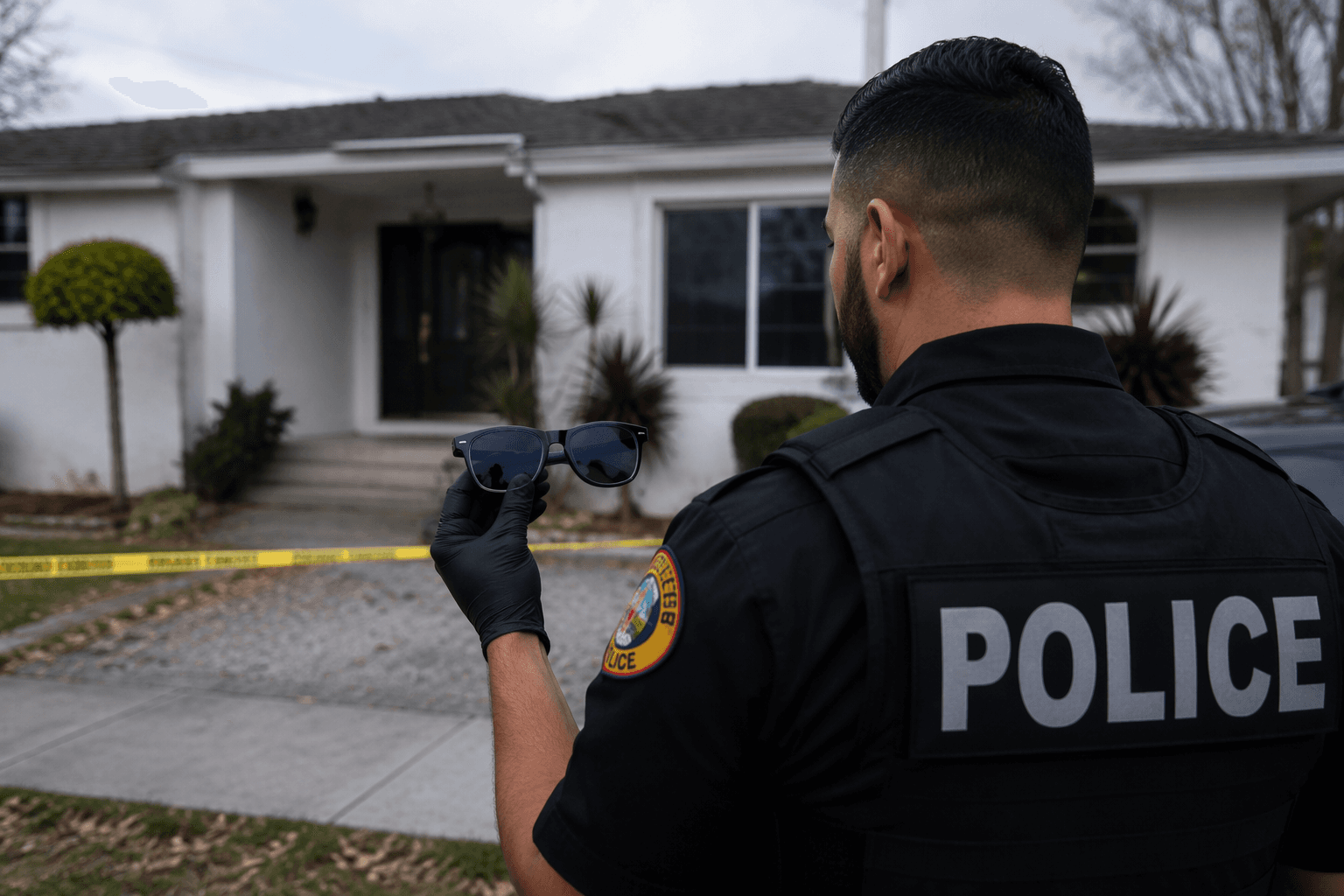
The amount taken pushed the case beyond an ordinary residential theft. Jewelry can be small enough to carry out quickly, but valuable enough to make a home an attractive target and difficult enough for victims to recover once pieces are moved, sold or broken apart. In cases like this, detectives often have to work from what remains after the scene is disturbed, and here that included the sunglasses left inside the home.
The arrest also shows how a burglary investigation can depend on details homeowners may not think about after a break-in. Video cameras can preserve the sequence of events, but physical evidence inside the home can tie that sequence to a person. In this case, the forensic match on the sunglasses appears to have turned a nearly two-month-old burglary in Silver Bluff Estates into a solvable case.
For Miami homeowners, the lesson is immediate: cameras can document what happened, but even a small item left behind can become the critical lead. A burglary that starts with stolen jewelry can end with a fingerprint on an everyday object, and that combination can be enough to identify a suspect long after the home has been cleaned up and the scene has gone cold.
This article was produced by Prism’s automated news system from verified source data, official records, and press releases, then run through automated quality and moderation checks before publishing. The system is built and supervised by the people who set the standards it runs under. Read our full AI policy.
Did this article answer your question?