Miami-Dade raises recycling goals as incinerator plans stall
Miami-Dade wants recycling to jump from 36% to 77% as its incinerator search stalls. The county handles 5 million tons of waste a year for more than 350,000 households.
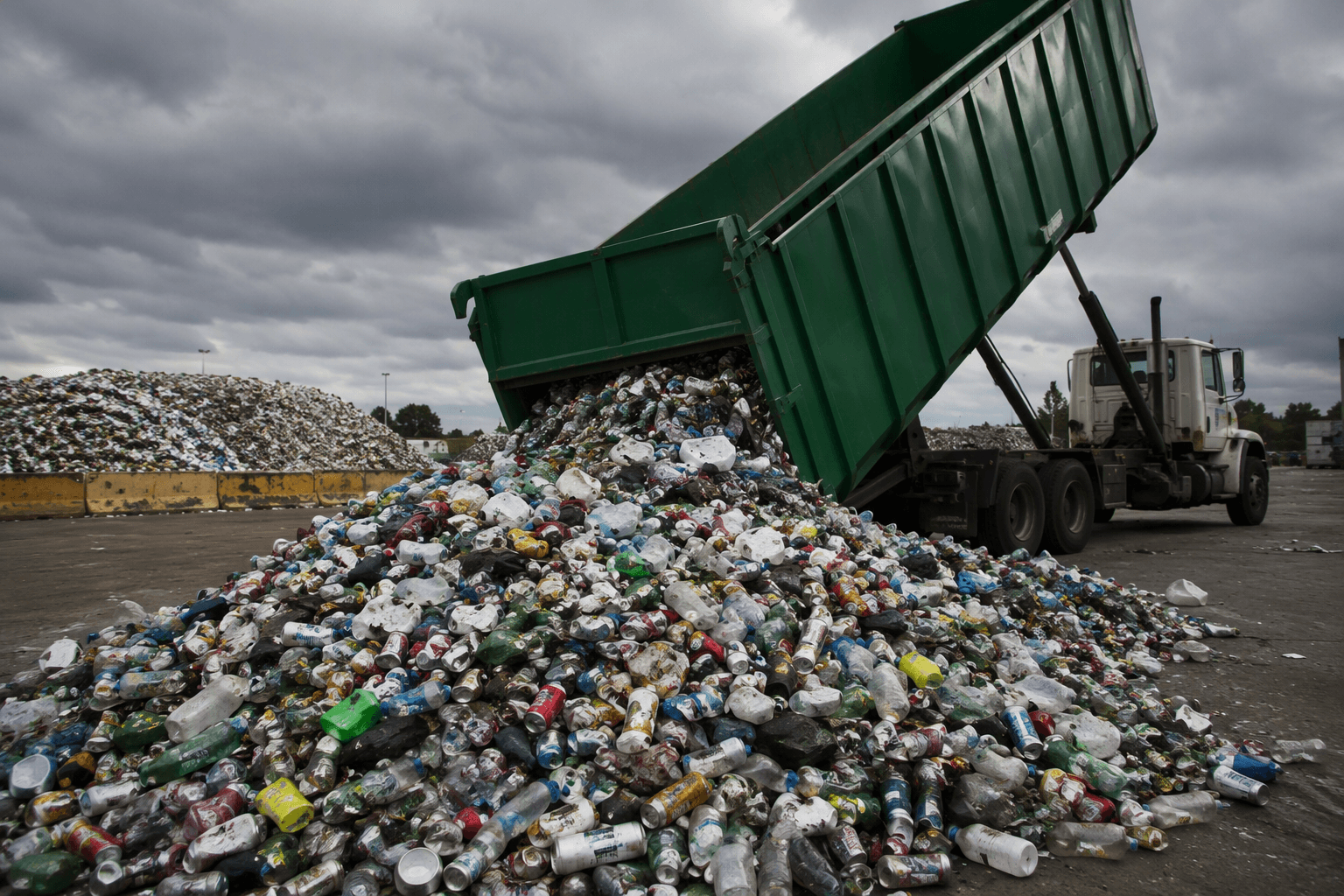
Miami-Dade County aims to raise its recycling rate from about 36% to 77% over the next 13 years as its effort to site a new waste-to-energy plant stalls. The system must absorb roughly 5 million tons of waste a year, serving more than 350,000 households across one of the largest publicly operated solid waste networks in the Southeast.
The push is part of the county’s Zero Waste Master Plan, which has been in development since 2022 and lays out more than 30 strategies. The plan is tied to Miami-Dade’s Climate Action Strategy, which calls for cutting landfill waste per person by 50% by 2030. The county’s integrated system includes two landfills, and a broader effort includes testing clean-yard-waste biochar and exploring a sustainable solid-waste campus.
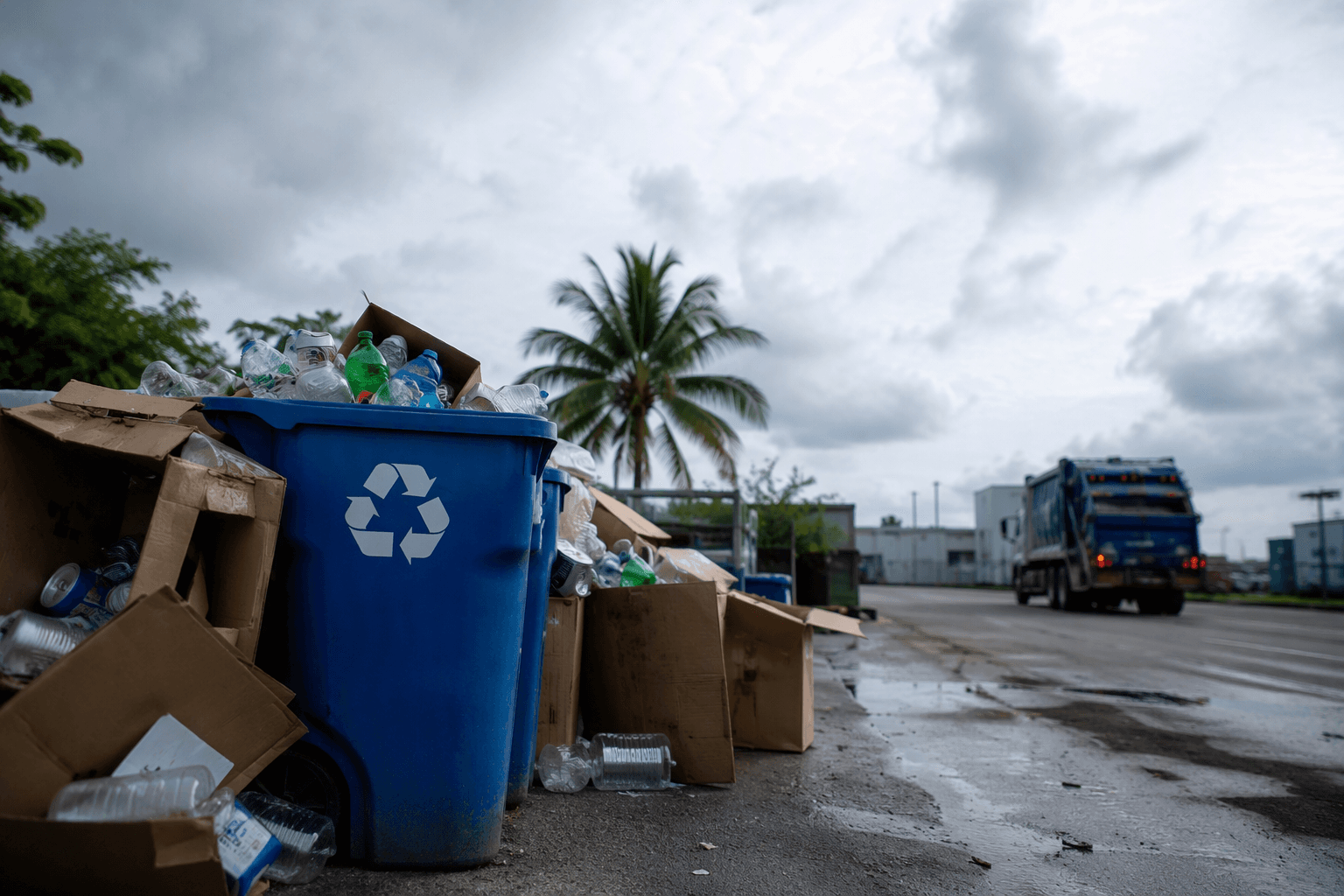
The incinerator debate has moved in fits and starts since the county’s waste-to-energy facility burned down in 2023. Commissioners deferred a vote on a new trash incinerator site in December 2024, then approved Resolution No. R-198-25 on Feb. 19, 2025. That measure, sponsored by Chairman Anthony Rodriguez and Commissioner Juan Carlos Bermudez, was amended to fold in all solid waste items passed in the prior 45 days and extend the timeline from 90 days to 120 days at the administration’s request. By July 23, 2025, the board had introduced and later adopted as amended Resolution R-801-25, titled “Site Selection New Waste to Energy Facility Other Than Doral.”
Florida Department of Environmental Protection data put Miami-Dade’s recycling contamination rate at nearly 40%. Florida Rising backed the zero-waste plan. Sierra Club Florida opposed incineration, and the Energy Justice Network criticized county pro-incinerator messaging. Miami Beach officials and other local governments have highlighted the county’s zero-waste effort, even as the administration continues to search for a disposal plan.
This article was produced by Prism’s automated news system from verified source data, official records, and press releases, then run through automated quality and moderation checks before publishing. The system is built and supervised by the people who set the standards it runs under. Read our full AI policy.
Did this article answer your question?