Miami Dunkin’ shut down for a day after failed inspection
A Miami Dunkin’ failed a state inspection and closed for a day, a reminder to check health records before grabbing coffee on the commute.
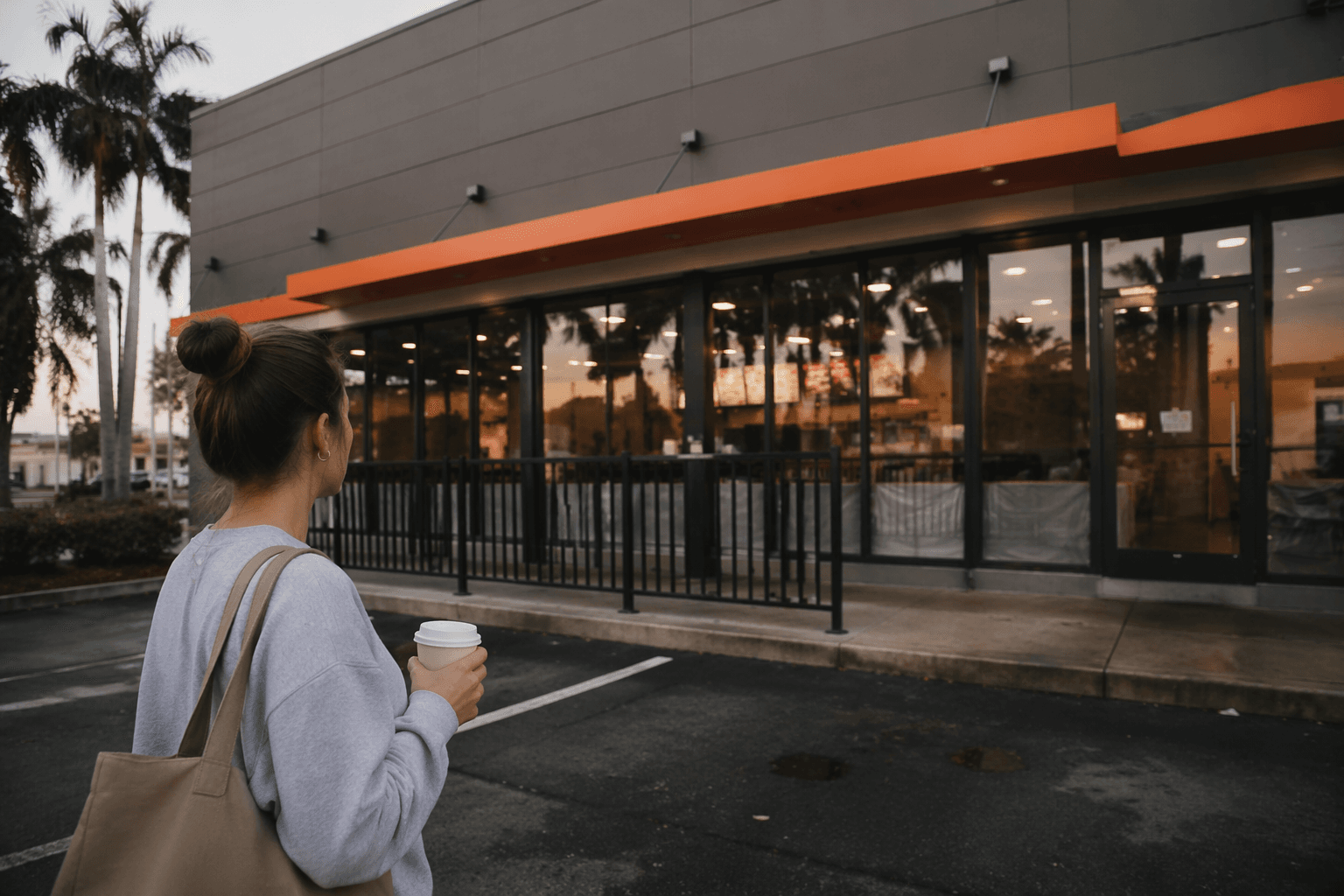
A Miami Dunkin’ closed for a day after a state inspector found enough problems to fail the store, turning a routine breakfast stop into a practical consumer-health alert for Miami-Dade commuters.
The inspection did not show a long list of violations, but it did uncover enough issues to put the location out of service. Florida’s public records system treats each inspection as a “snapshot” of conditions at the time of the visit, which is why a familiar chain restaurant can go from open to shut down after a single check.
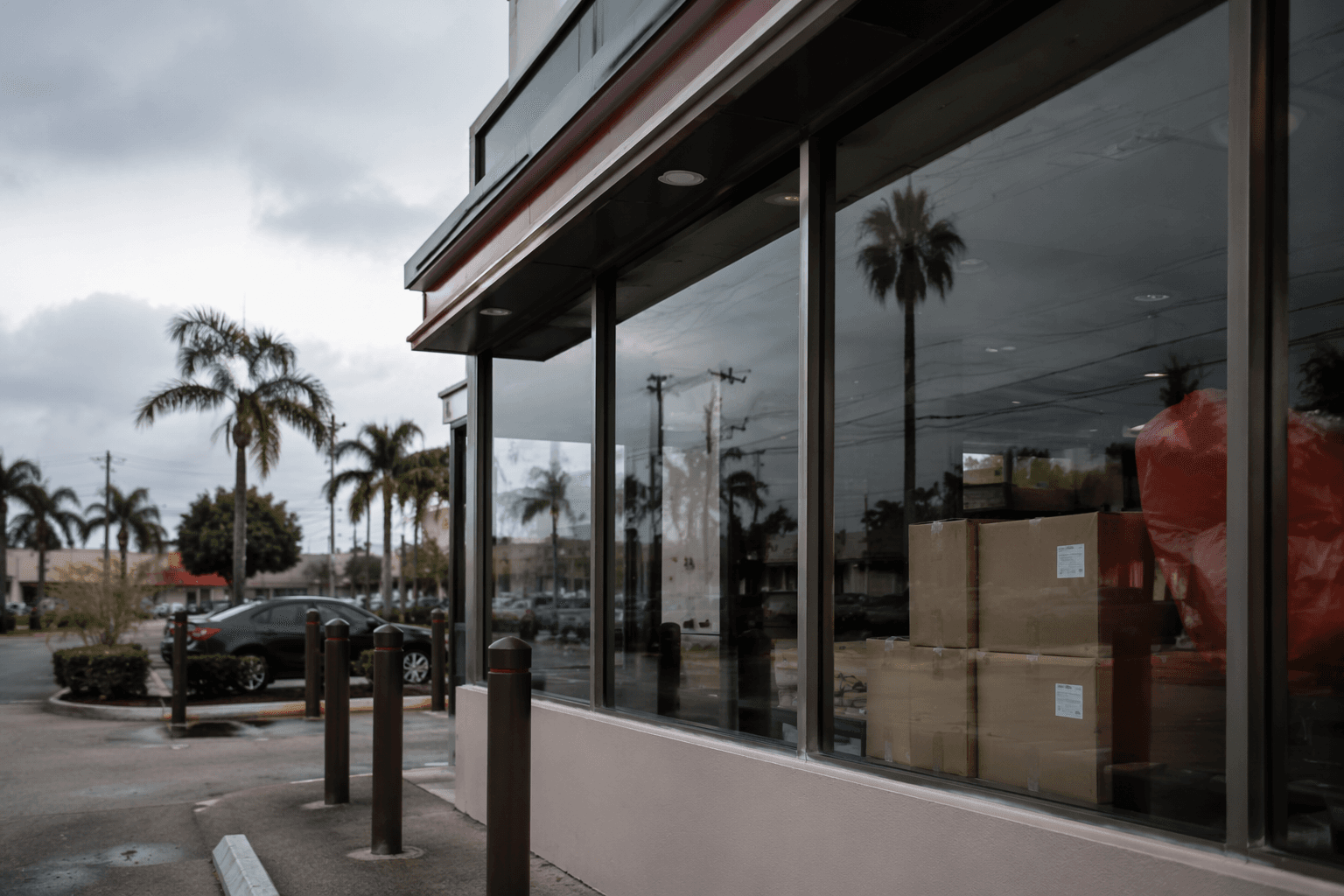
That kind of enforcement sits inside a much larger local inspection system. Miami-Dade County has about 9,810 food establishments and 115,472 inspections on record in a DBPR-linked database, with a county pass rate of 89.5%, above the statewide average of 85.8%. The same records show 120 establishments shut down this year, underscoring that emergency closures are a routine part of health oversight rather than an isolated event.
For Miami residents who depend on fast-service coffee and breakfast spots during the morning commute, the message is simple: brand recognition does not guarantee a clean inspection history. The Florida Department of Business and Professional Regulation publishes emergency-closure records weekly, and inspection data are refreshed as new information is added. Checking a restaurant’s past results can show whether a place has been consistently compliant or whether problems have been building over time.
The Miami Dunkin’ also landed in a broader South Florida pattern of sanitation enforcement that has included other restaurants cited for severe problems such as dead rodents, live flies and more than 100 rodent droppings. In that context, even a one-day closure for a major chain location in Miami is part of the same public-health system that keeps basic food-safety standards visible to customers before they order.
This article was produced by Prism’s automated news system from verified source data, official records, and press releases, then run through automated quality and moderation checks before publishing. The system is built and supervised by the people who set the standards it runs under. Read our full AI policy.
Did this article answer your question?