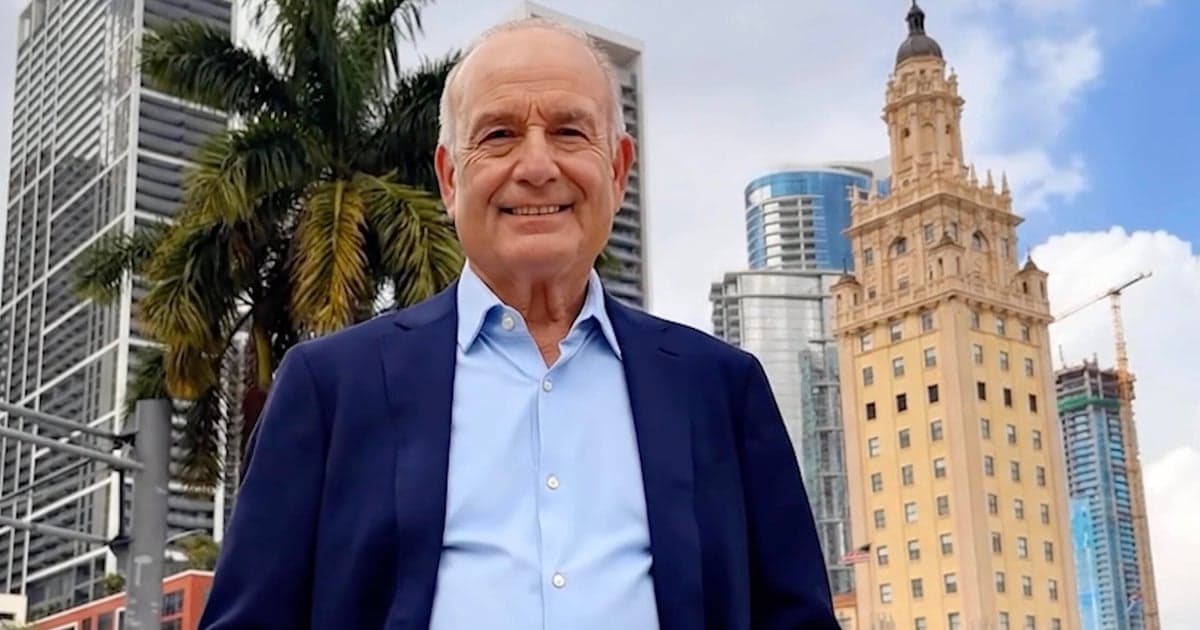
Miami voters to decide $450 million public safety bond in November
Miami placed a $450 million public safety bond on the November ballot after a 3-2 vote, promising no increase to the current debt millage rate.
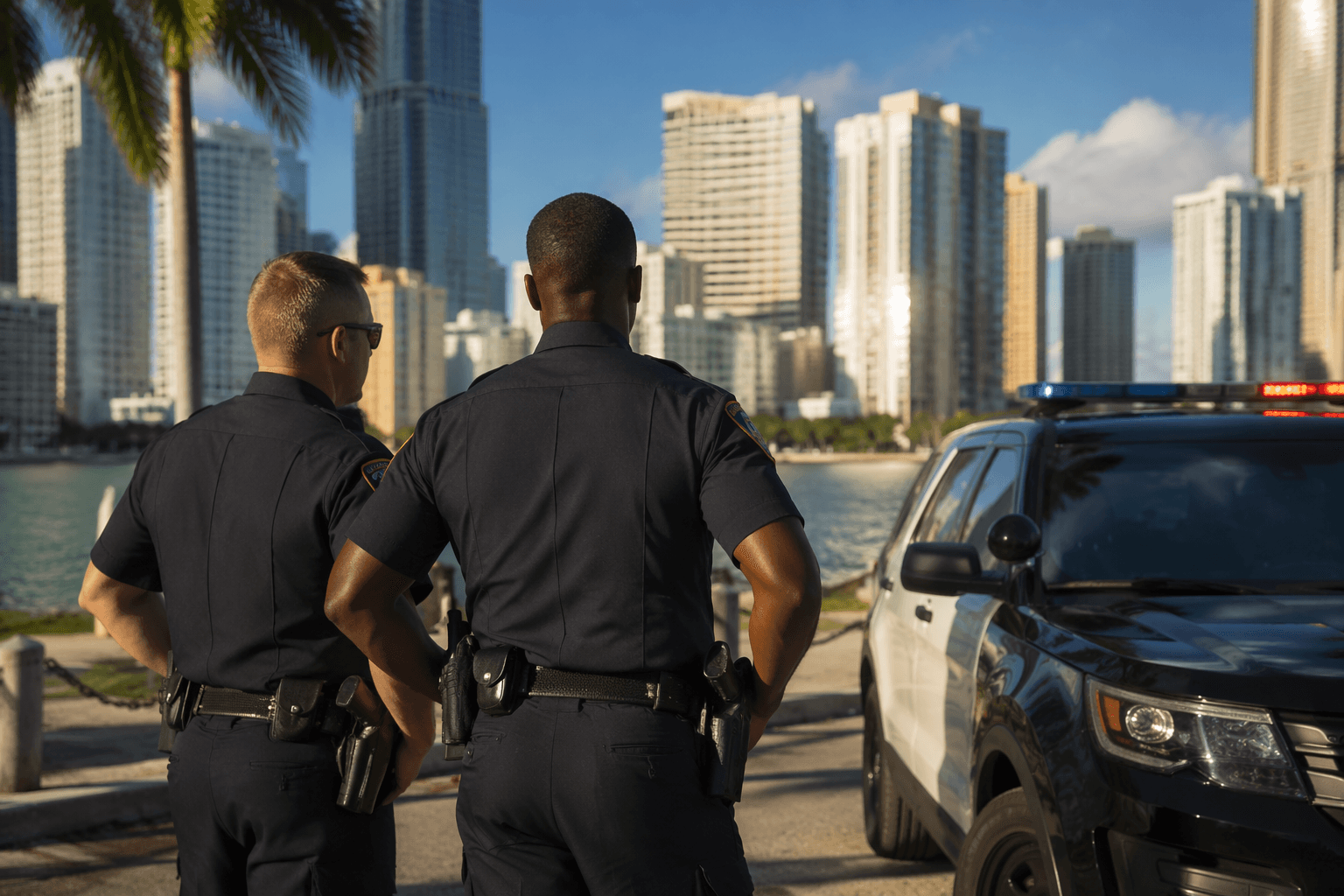
Miami City commissioners approved placing Mayor Eileen Higgins’ Safe and Ready Miami bond on the November ballot, sending voters a $450 million proposal after a tense 3-2 vote on July 9. The city said the measure would authorize up to $450 million in general obligation bonds with no increase to the current debt millage rate, and the money would go to aging police and fire-rescue facilities.
The bond plan would pay for a new public safety headquarters, seven new fire stations and major upgrades to existing police and fire buildings across Miami. City officials said the current Police Headquarters opened in 1976 and was designed for about 560 officers, a scale that no longer fits today’s workload. Higgins said the headquarters had periods when there were no bathrooms on the first floor, and she said some fire stations have had mold problems.
Supporters cast the bond as both an infrastructure fix and an operational necessity. The city tied the measure to emergency preparedness and response time, noting that when someone suffers a heart attack, every minute without treatment can cut survival chances by about 10 percent. Commissioner Rolando Escalona co-sponsored the measure, and Commissioner Miguel Angel Gabela backed it as a fiscally responsible investment with accountability, transparency and no increase to the current debt millage rate.
The final vote came only after last-minute amendments, following a spring delay when commissioners asked for more financial details and transparency measures. Miami had originally been trying to send the proposal to an August referendum before shifting to November, a move that gave the mayor and her allies more time to build support but also prolonged the fight over the size and scope of the borrowing.
The debate now sits squarely in the larger Miami-Dade picture. Public safety facilities in Miami affect emergency response, mutual aid, hurricane readiness, major crime response and the city’s ability to handle large public events. The question for voters is not only whether the city needs new buildings, but whether it should borrow this much to replace them.
Miami’s earlier 2017 Miami Forever Bond, a $400 million general obligation program, is likely to loom over that decision. City materials said that bond funded resilience, roads, parks, public safety and affordable housing, and that it could be issued without raising taxes while previous bonds were still being paid off. More recent reporting said Miami issued $142.2 million in new bonds in the prior fiscal year and had pushed overall debt to nearly $1 billion, figures that may sharpen concerns about how much more borrowing the city can carry.
This article was produced by Prism’s automated news system from verified source data, official records, and press releases, then run through automated quality and moderation checks before publishing. The system is built and supervised by the people who set the standards it runs under. Read our full AI policy.
Did this article answer your question?