Parents and teachers urge Miami-Dade schools to ditch synthetic turf
More than 100 Miami-Dade students, parents and teachers asked the district to stop installing synthetic turf, warning it can burn children and trap heat on campuses.
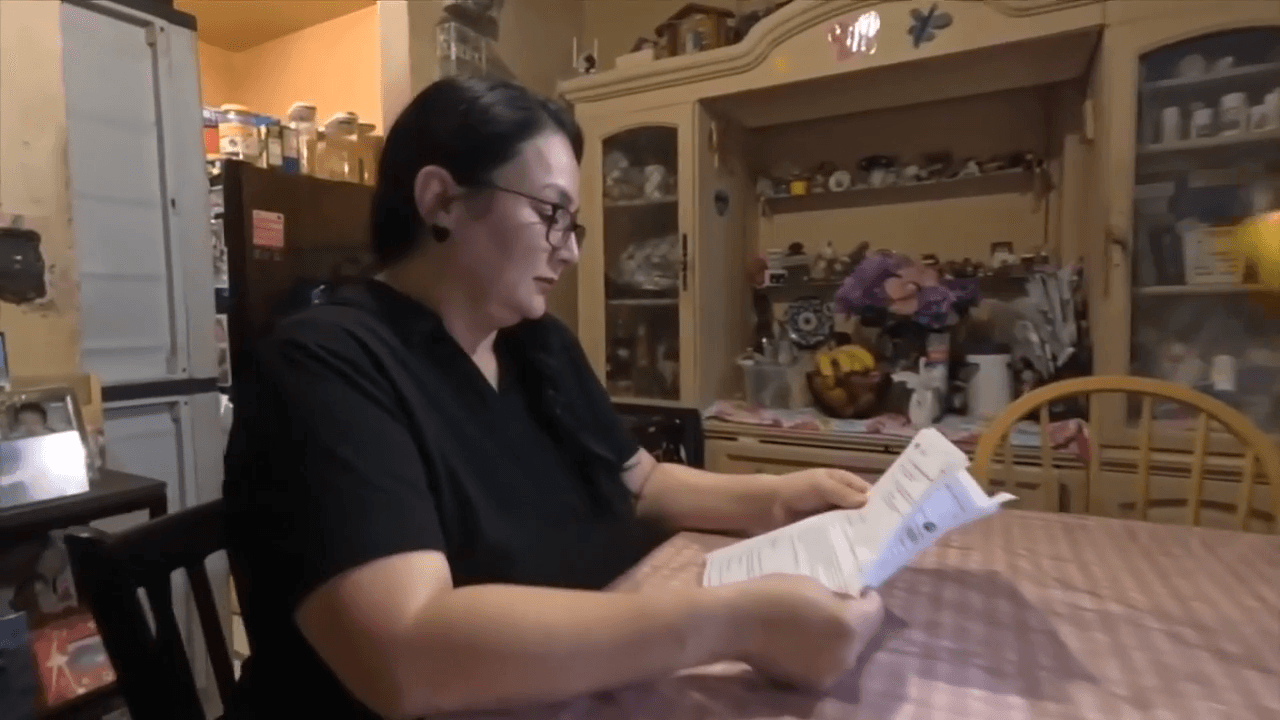
More than a hundred students, parents and teachers have asked Miami-Dade County Public Schools to stop laying synthetic turf on campuses, saying the plastic fields make schoolyards hotter and less usable for children in South Florida’s heat. The letter, sent by Michelle Drucker of Florida Green Schools, urged the district to replace artificial surfaces with real grass, native plants and food forests.
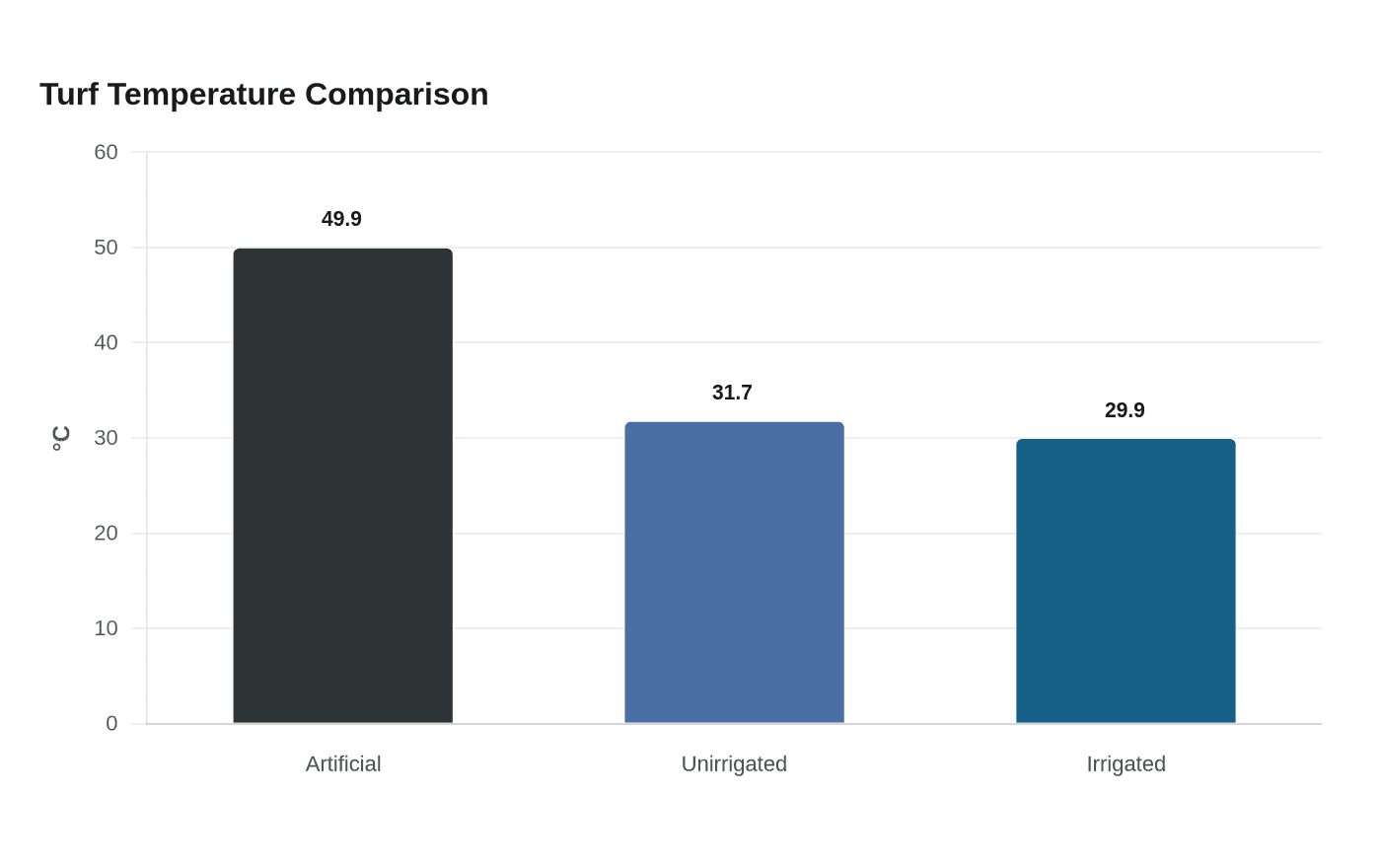
The letter cited research showing synthetic turf can run 48 to 90 degrees Fahrenheit hotter than natural grass. A 2025 study found artificial turf averaged 49.9 degrees Celsius in daytime testing, compared with 31.7 degrees for unirrigated natural turf and 29.9 degrees for irrigated natural turf, and said the synthetic surface stayed above a 48 degrees Celsius skin-burn threshold for nearly four hours a day during the measurement period.
The letter reached school-board offices. Joseph Geller's office is considering a pause on new artificial-turf installations while the district studies the effects. Miami-Dade is the third largest school district in the country, with 392 schools and about 345,000 students, so even a limited change would affect a large share of campuses.
Parents in the letter pointed to more personal stakes. Paola de Carolis said her daughter suffered burns after falling on artificial turf at a park when she was in fourth grade, and she said fake grass at her children’s elementary school became part of the reason she pulled them out. In August 2024, the district announced a $15 million U.S. Department of Energy grant for energy efficiency work, indoor air quality improvements and solar installations at some schools.
Living plants can cool spaces, support biodiversity, store carbon and lower energy costs, benefits that synthetic turf does not provide. Fairchild Tropical Botanic Garden’s 2025-26 Shade Our Schools project, involving more than 40 schools and more than 1,900 students, found that shaded areas stay cooler and that grass runs cooler than asphalt and concrete.
Florida’s 2025 synthetic-turf statute, section 125.572, took effect July 1, 2025, and directs the Department of Environmental Protection to set minimum standards for synthetic turf on certain single-family residential properties while barring local governments from prohibiting compliant installations there. The law does not cover school campuses.
This article was produced by Prism’s automated news system from verified source data, official records, and press releases, then run through automated quality and moderation checks before publishing. The system is built and supervised by the people who set the standards it runs under. Read our full AI policy.
Did this article answer your question?