$2 billion for Everglades restoration restores Monroe County contracts
Florida officials said all contracts for the $2 billion EAA Reservoir are executed, with completion moved to 2029 and Monroe County watching for cleaner flows into Florida Bay.
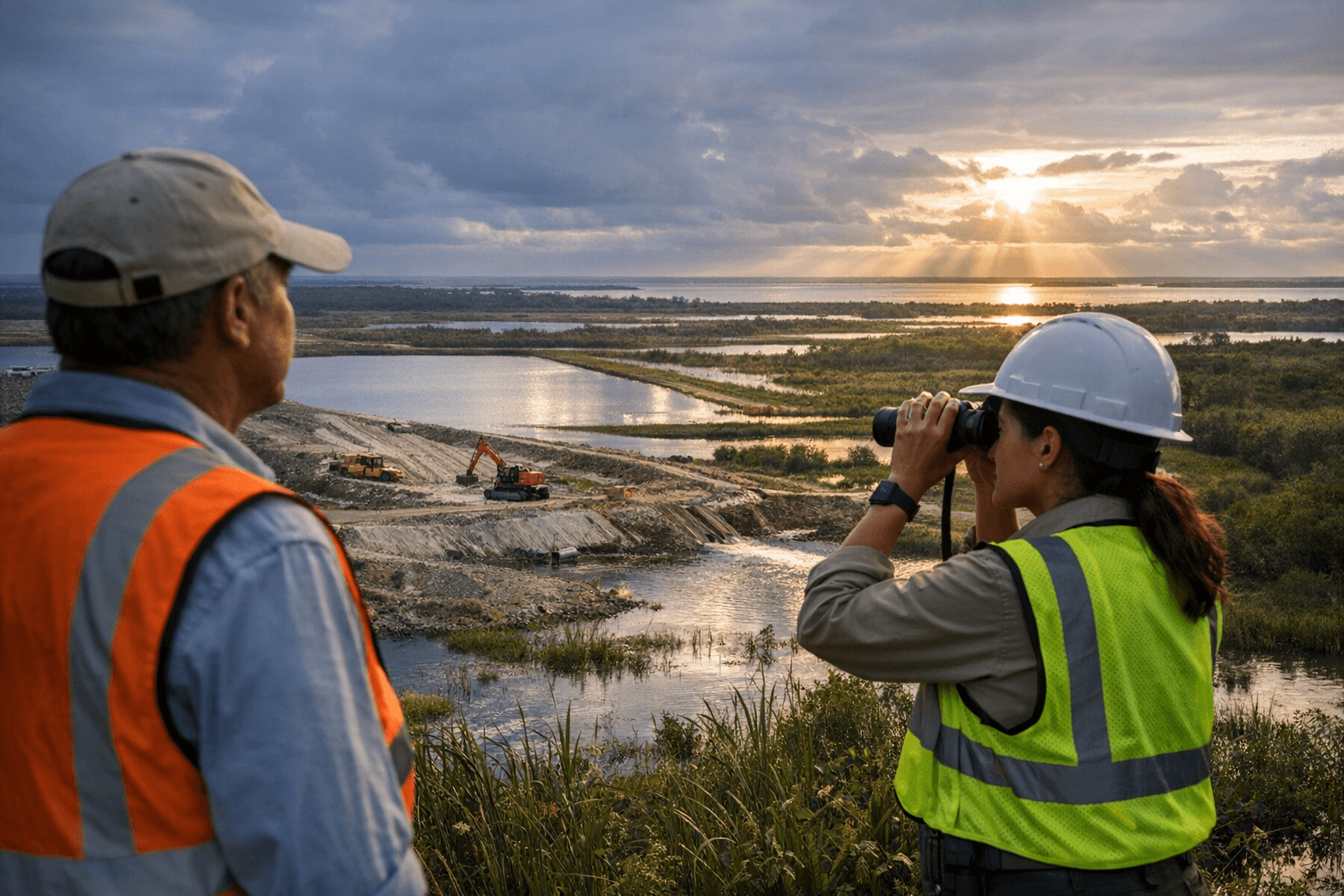
More than $2 billion in federal funding is now behind the Everglades Agricultural Area Reservoir, and Florida officials said all federally funded contracts for the project were fully executed by April 13, putting Monroe County closer to the water-quality gains Keys leaders have long tied to Florida Bay.
The U.S. Army Corps of Engineers, through its Jacksonville District, also modified the reservoir contract so construction is now expected to be finished by 2029, about five years sooner than previously planned. That timing matters in Monroe County, where officials frame Everglades restoration as a climate-resilience issue as much as an environmental one, especially because Florida Bay sits at the southern end of the system.
The reservoir is designed to store more than 78 billion gallons of water and deliver up to 470 billion gallons of clean water a year to the Everglades and Florida Bay. Supporters say that should help reduce harmful discharges to the Caloosahatchee and St. Lucie estuaries, while pushing more water south through a system that has been starved and altered for decades. The Everglades Foundation has said the project will help store, clean and send freshwater south, and state water managers say the benefits will reach the Keys through better flow patterns and improved bay conditions.
The stakes are not abstract. The Congressional Research Service has said the Everglades had degraded to about half its historical size by the end of the 20th century, a decline that helped drive the Comprehensive Everglades Restoration Plan. Through fiscal 2024, the federal government had spent $3.2 billion and Florida had spent $2.8 billion on CERP construction projects, showing how much of the restoration burden has already been shared between Tallahassee and Washington.
For Monroe County, the question is whether those billions translate into visible change in daily life: stronger water quality in Florida Bay, less strain on local canals and drainage systems, and a more stable base for the county’s own resiliency work. With the contracts in place and the completion date pulled forward, the project has moved from promise to construction reality, and the outcome will be measured in the health of the water surrounding the Keys.
This article was produced by Prism’s automated news system from verified source data, official records, and press releases, then run through automated quality and moderation checks before publishing. The system is built and supervised by the people who set the standards it runs under. Read our full AI policy.
Did this article answer your question?