Antonio Hollywood Allen Explores Family and Key West Identity in Paradise Reflected
Antonio “Hollywood” Allen published a Feb. 23 Keysweekly commentary tying his documentary Paradise Reflected to family, elder care and Key West’s contested identity, and confirming backer Ed DeMore died after a final clarifying conversation.
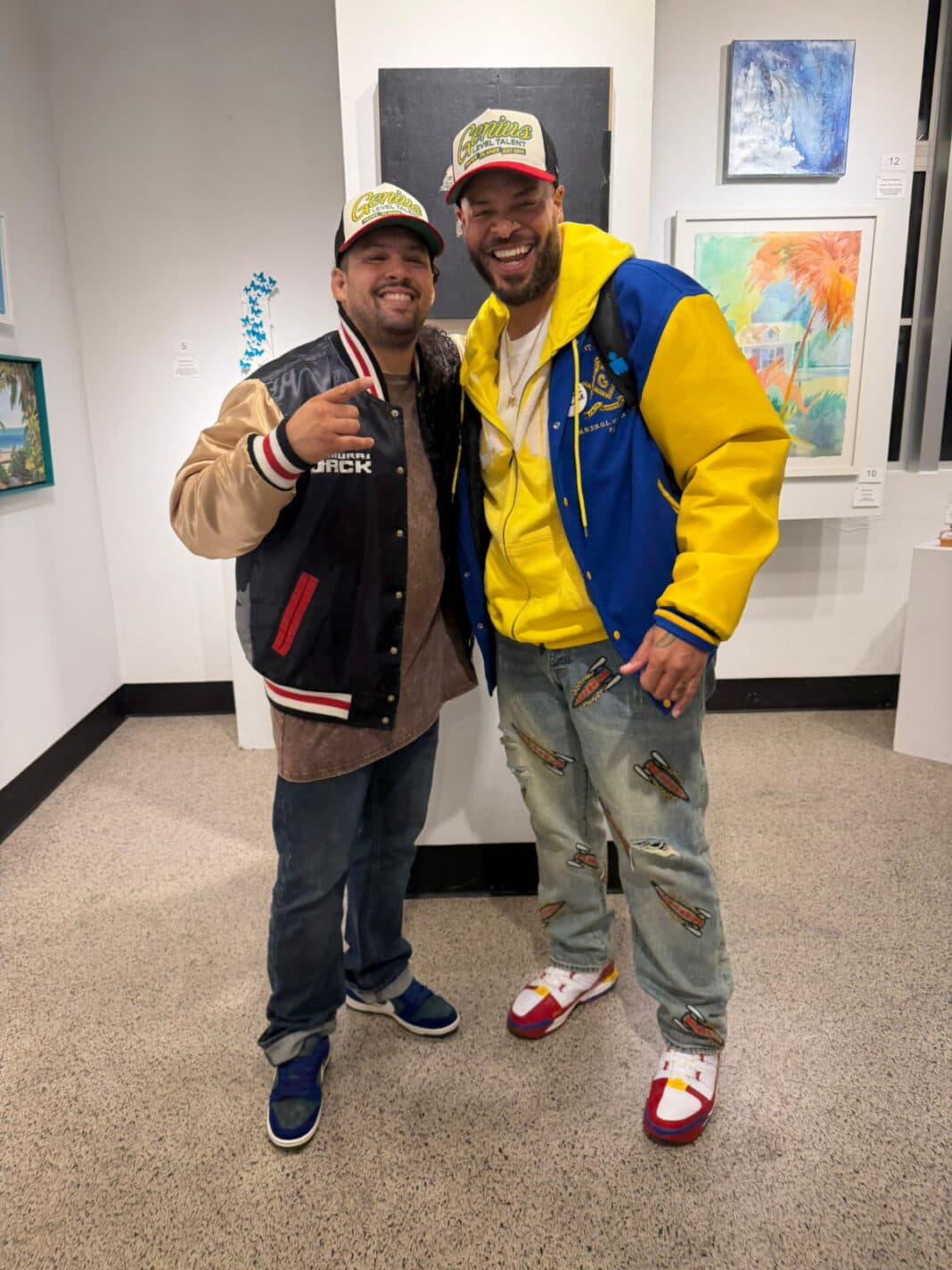
Antonio “Hollywood” Allen, a Key West filmmaker, used a Feb. 23 commentary in Keysweekly to lay out how his documentary Paradise Reflected interrogates family ties, care for elders and the ways Key West functions as both home and marketable brand. Allen writes that the film “began in earnest in March 2025” and frames its core question around local courage and accountability.
Allen details production and funding history, identifying Ed DeMore as the film’s primary financial supporter who “believed in ambitious ideas and pushed for scale.” Allen describes their partnership as fraught and consequential: “Our relationship, however, was layered. We clashed creatively and personally. Funding timelines and expectations changed. My approach was questioned. I stood firm, refusing to shrink inside a project I was asked to lead.”
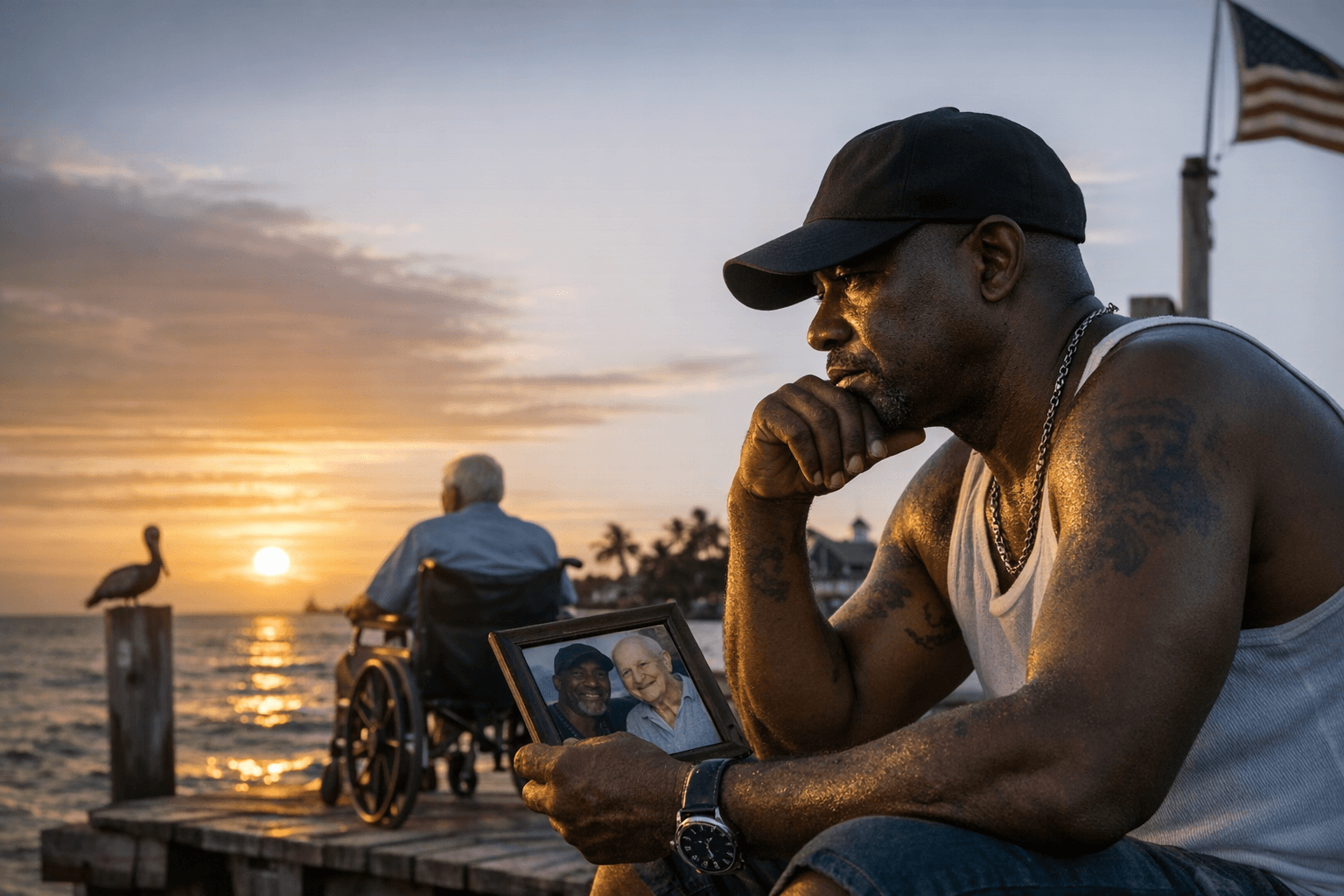
The commentary ties a personal loss to the film’s arc. Allen reports that “Ed passed away hours after he landed in Boston, but our final conversation had brought closure and mutual respect. His role in this film is real. So was our friction. That coexistence of tension and unity reflects today’s Key West.” Allen says Ed’s final week in Key West, “before Thanksgiving,” combined friction and collaboration, and that a conversation the morning DeMore flew back to Boston shifted how they saw each other.
Allen also reports the film’s premiere at The Studios has already “succeeded in sparking conversation.” He writes he has “heard from people who felt seen, challenged and, yes, uncomfortable,” framing audience reaction as part of the film’s public purpose. Allen adds a direct charge about art’s civic role: “But art exists to reveal a community, not flatter it.”
On race and community, Allen explicitly situates his work within local Black history while resisting single-category labels. “My roots are deeply tied to the Black community here, and that history matters. Black History Month matters. But ‘Paradise Reflected’ is not a Black film. It is not a white, Hispanic or immigrant film. Race, power and history are all parts of the story that is, above all, about community,” he writes.
Allen closes the commentary by returning to civic responsibility in Key West, urging residents and leaders to move beyond slogans to substantive reckoning: “Here in Key West, we don’t need another slogan; we need courage. To have difficult conversations. To examine power. Courage to admit when we’ve been wrong, and grace while someone else is growing.” He ends with the film’s central provocation: “The real question isn’t who we say we are; it’s who we prove ourselves to be.”
With conviction and love, Antonio “Hollywood” Allen signs the piece and lists a project website for Paradise Reflected; the commentary is presented on Keysweekly as contributed content and anchors an ongoing local conversation about art, funding, elder care and how Key West defines itself.
This article was produced by Prism’s automated news system from verified source data, official records, and press releases, then run through automated quality and moderation checks before publishing. The system is built and supervised by the people who set the standards it runs under. Read our full AI policy.
Did this article answer your question?