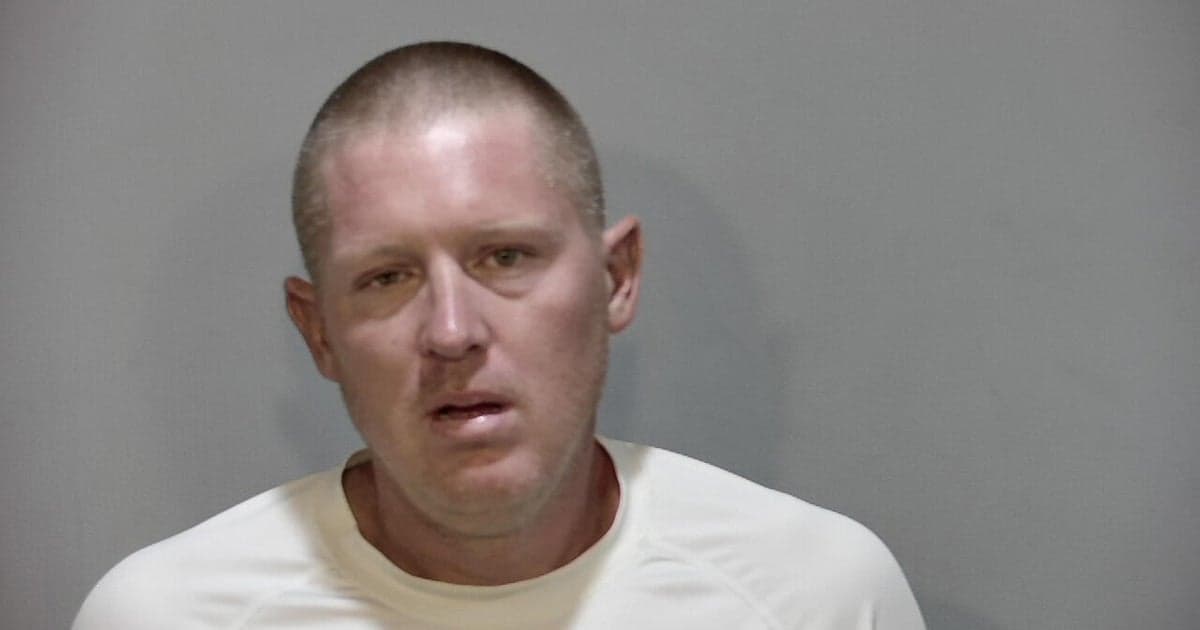
Coral Springs man arrested in $50,000 Cudjoe Key fraud scheme
Dwayne Leveridge was jailed after investigators linked him to a scheme that drained more than $50,000 from a Cudjoe Key couple through fraudulent credit lines and bank transfers.

Investigators tied a 33-year-old Coral Springs man to a fraud scheme that drained more than $50,000 from a Cudjoe Key couple, and Dwayne Leveridge was in jail facing multiple felony charges as the case continued to unfold.
The loss was not the result of a burglary or a street robbery. Police said the money was siphoned through fraudulent credit lines and bank transfers, a method that shows how quickly a local victim can be drained without anyone forcing a door or breaking a window. In this case, the fraud moved through connected financial accounts and credit products, turning a paper trail into the core of the crime.

For Monroe County, the case lands close to home. Cudjoe Key residents, like many people in the Lower Keys, rely on bank accounts, credit cards and digital payment systems for everyday spending and bill paying. That makes identity theft especially damaging in a community where many residents are retired, live on fixed incomes or split time between homes and may not spot suspicious activity until money has already moved.
The harm also does not stop with the stolen cash. Once funds are pushed through linked accounts and credit lines, victims often face months of cleanup, including disputed charges, damaged credit scores and the slow work of proving which transactions were legitimate. In a scheme like this, the arrest is only one piece of the story; the recovery can stretch on long after the money is gone.
The case also highlights how these investigations depend on fast coordination between deputies and financial institutions. The report said investigators were still piecing together how the money was taken and where it went, a reminder that fraud cases can spread across multiple accounts before anyone has time to shut them down. For Monroe County residents, especially older adults and seasonal homeowners, the warning sign is clear: a scam can be both highly personal and highly technical, and the damage can begin long before a victim realizes the account has been touched.
This article was produced by Prism’s automated news system from verified source data, official records, and press releases, then run through automated quality and moderation checks before publishing. The system is built and supervised by the people who set the standards it runs under. Read our full AI policy.
Know something we missed? Have a correction or additional information?
Submit a Tip