Dead crocodile on U.S. 1 slows traffic near Key West
A nine-foot crocodile dead on the U.S. 1 shoulder near Naval Air Station Key West drew a multi-agency cleanup and backed up traffic in the lower Keys.
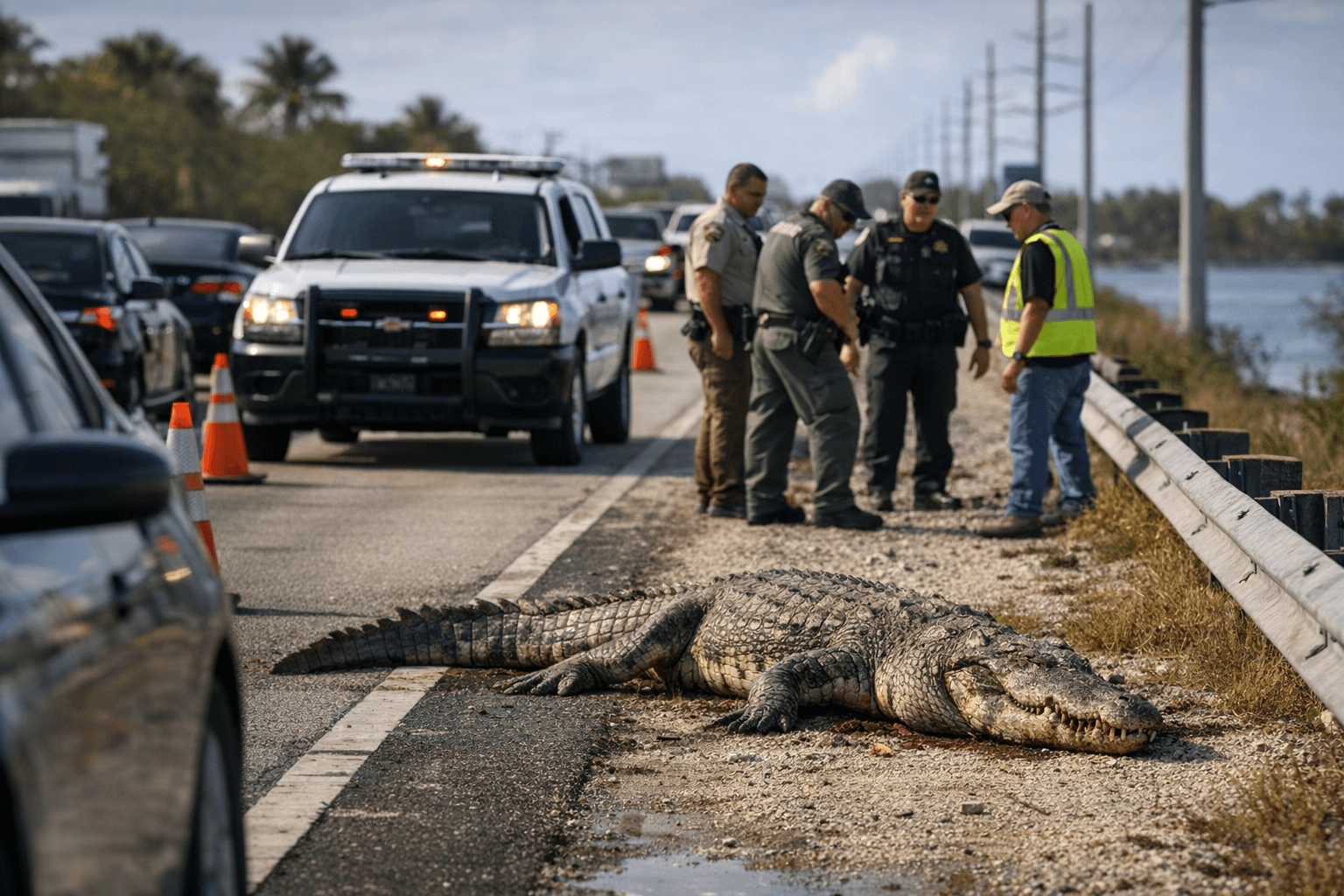
A nine-foot dead crocodile on the shoulder of U.S. 1 near Naval Air Station Key West did more than turn heads. It slowed traffic on the Keys’ main artery and triggered a coordinated response to keep motorists moving safely through one of Monroe County’s most sensitive corridors.
Authorities removed the crocodile during a Thursday morning response, with the Monroe County Sheriff’s Office among the agencies on scene. In the Florida Keys, even a carcass on the roadside can create a hazard if drivers brake suddenly, drift for a better look or bunch up in a narrow stretch of highway with little room to spare.
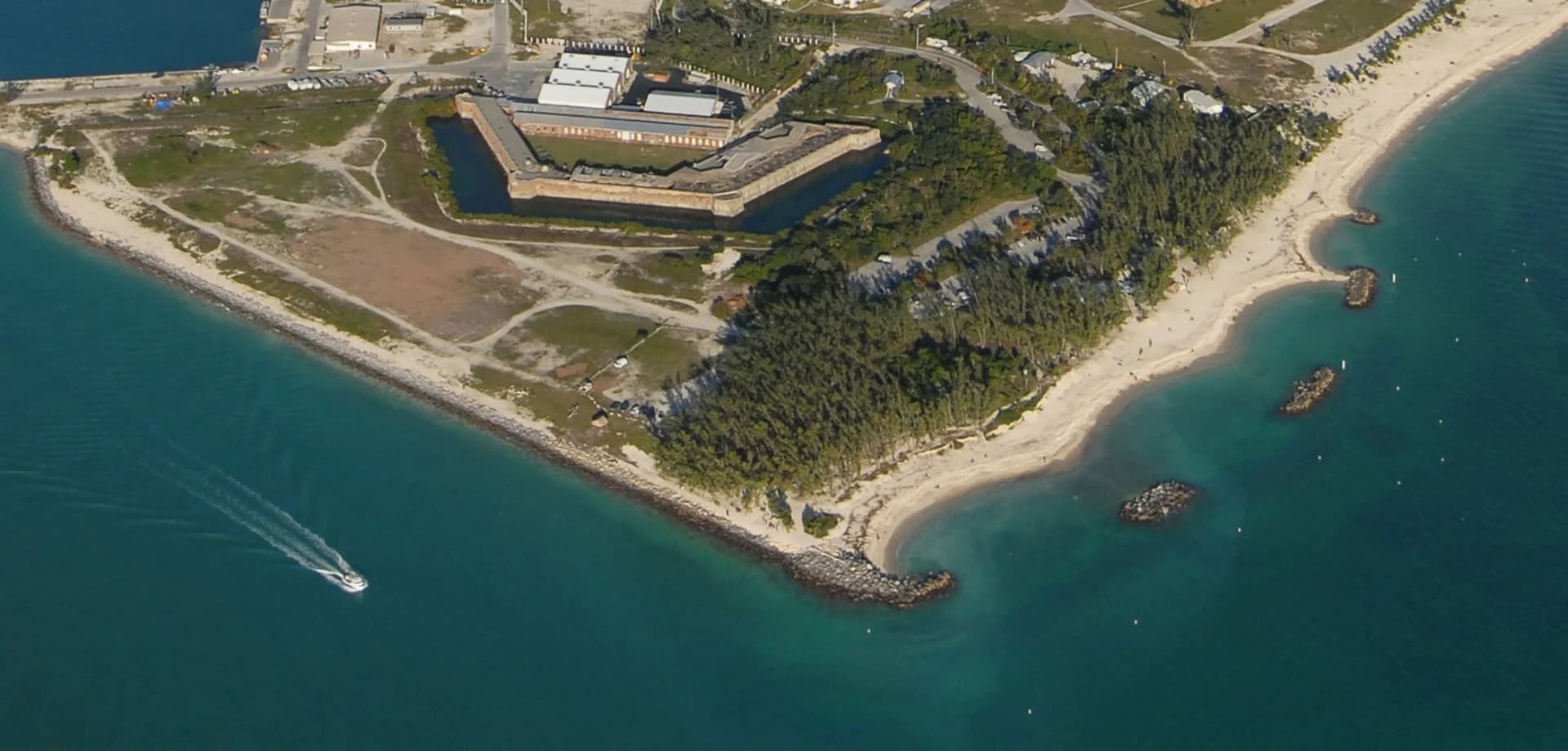
The location matters as much as the animal. U.S. 1 is the backbone of travel through the Florida Keys, a chain of about 112 miles of islands connected by the Overseas Highway. That means any obstruction, even one confined to the shoulder, can ripple quickly through commuter traffic, visitor traffic, emergency access and movements tied to Naval Air Station Key West.
The crocodile was treated as roadkill rather than a live wildlife encounter, but its size made the removal more complicated than a routine cleanup. An American crocodile of that length is a striking sight anywhere in south Florida, and especially along a route where drivers are used to seeing seabirds, iguanas and the occasional reptile near the water.
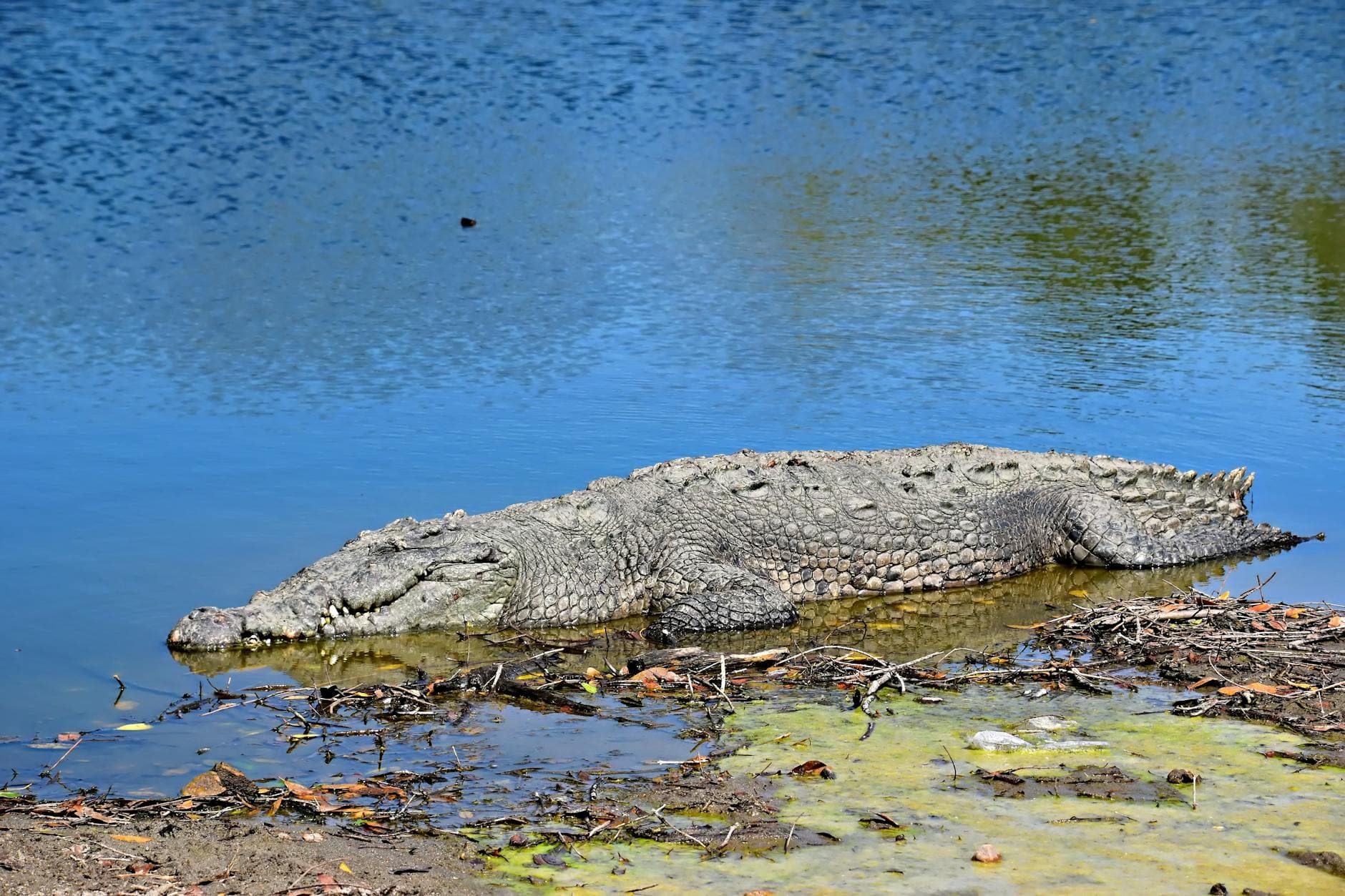
American crocodiles are native to south Florida and the Keys and are protected as a threatened species under federal and state rules. The Florida Fish and Wildlife Conservation Commission says the species lives in coastal brackish and saltwater habitats and is generally shy and reclusive. It also says the Florida population has recovered from fewer than 300 in 1975 to about 1,500 to 2,000 adults today.
That recovery helps explain why human-crocodile encounters have become more common in parts of south Florida, even when the animal involved is already dead. On a roadway as important as U.S. 1, the response was about more than removing an animal from the shoulder. It was about keeping one of Monroe County’s few critical travel links clear, safe and predictable for everyone who depends on it.
This article was produced by Prism’s automated news system from verified source data, official records, and press releases, then run through automated quality and moderation checks before publishing. The system is built and supervised by the people who set the standards it runs under. Read our full AI policy.
Did this article answer your question?