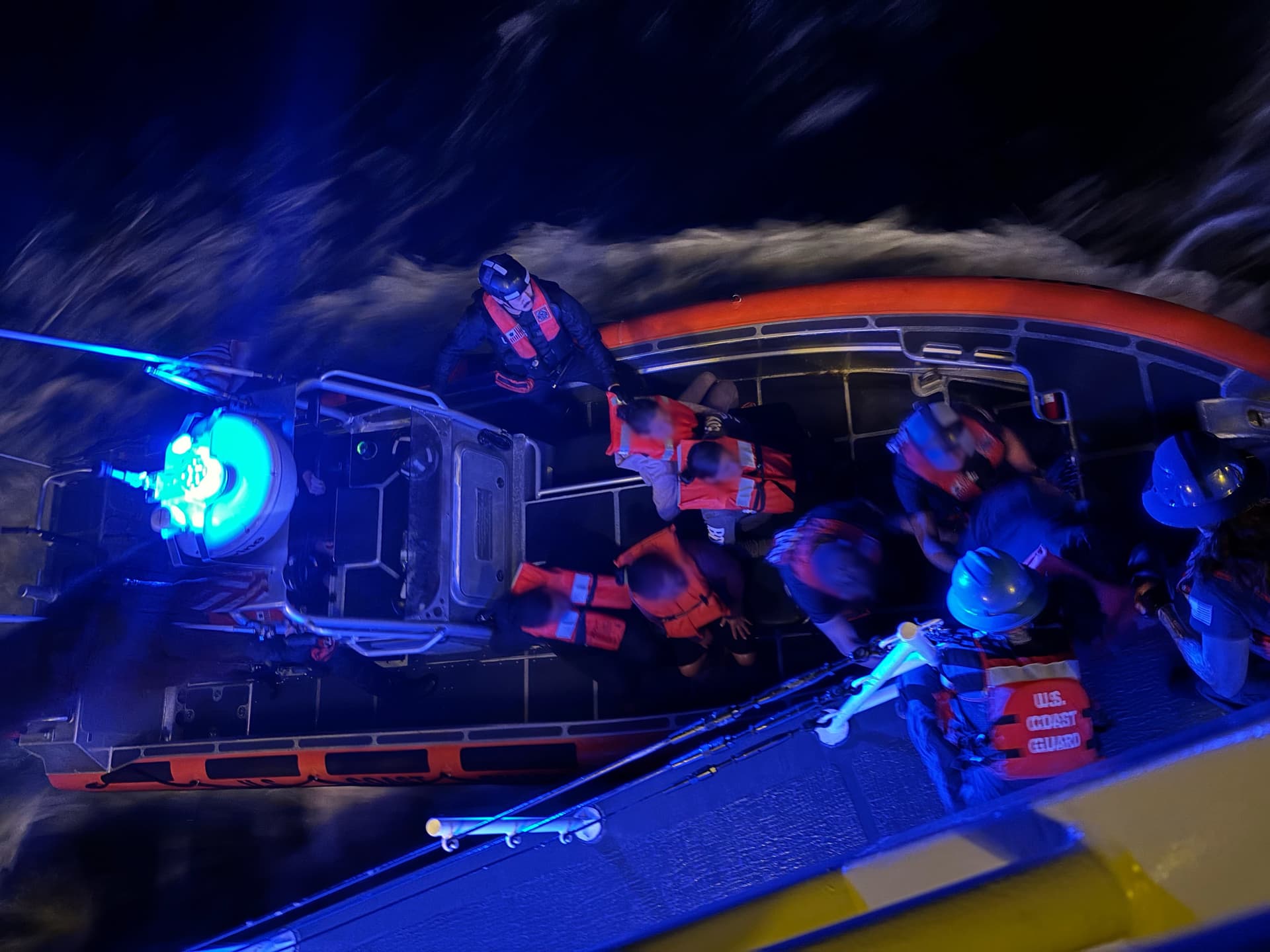
DNA breakthrough identifies Key Largo man found in Lower Keys after Irma
DNA testing identified a Key Largo man whose remains were found in the Lower Keys after Hurricane Irma, bringing long-awaited answers for family and the Keys community.
Human remains recovered in the Lower Keys after Hurricane Irma were identified as 77-year-old James Donald Schlake, the Florida Department of Law Enforcement announced Jan. 21. The confirmation closes a mystery that began in the storm’s chaotic wake and underscores the growing role of genetic genealogy in resolving long-standing cases across Monroe County.
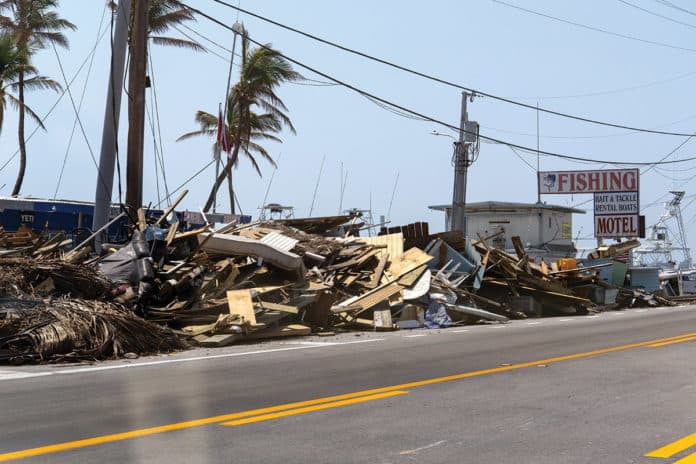
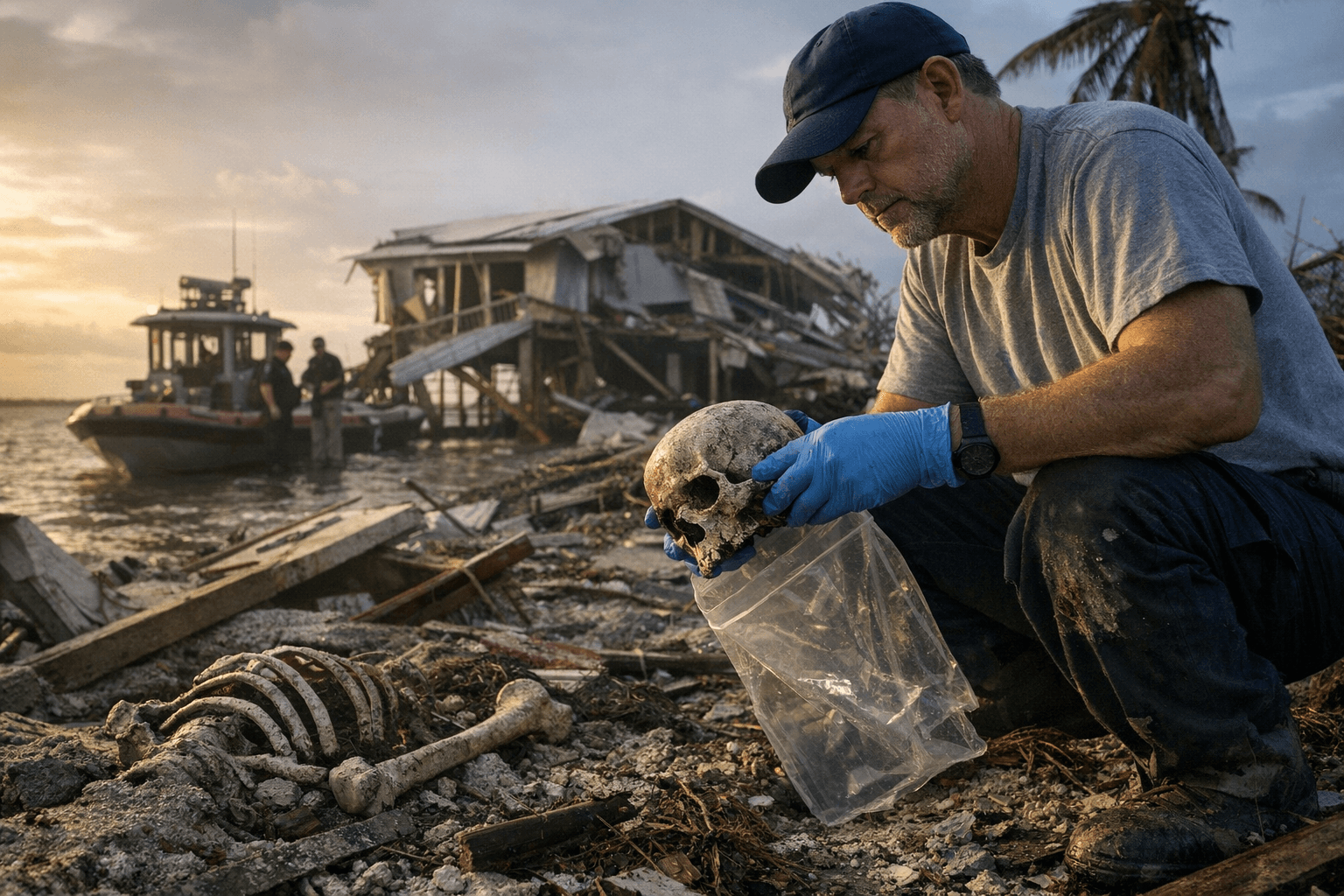
Search-and-rescue teams found the body of an unidentified adult male in a debris pile on Big Pine Key on Sept. 14, 2017, as crews cleared damage from Irma. Investigators at the time were unable to establish identity because of the advanced state of decomposition. Following an autopsy, the Monroe County Medical Examiner determined the cause of death to be drowning and ruled the manner of death accidental.
Initial forensic testing yielded no leads. A sample submitted to FDLE crime laboratories in December 2023 produced no matches, and the case remained cold until evolving DNA methods became available. In June 2025 FDLE forwarded a sample to Othram Inc., a private DNA laboratory that uses advanced sequencing and genetic genealogy research to help identify the deceased. By December 2025 potential genetic relatives had been identified, and investigators confirmed the remains as those of Schlake before notifying next of kin.
“FDLE’s Key West Field Office and Forensic Services turned over every stone to identify Mr. Schlake,” said FDLE Commissioner Mark Glass. “Our statewide forensic resources and strong partnerships are critical to supporting Florida’s communities and law enforcement agencies. This collaboration helped bring long‑awaited answers to Mr. Schlake’s loved ones and to the Florida Keys community.”
“People should know that it doesn’t matter how old a case is, if there is DNA, there is technology here today that works and is able to bring answers to families, like in this case,” said Kristen Mittelman, Chief Development Officer for Othram.
FDLE Forensics secured funding for the work through the State Forensic Investigative Genetic Genealogy Grant Fund on behalf of the Monroe County Sheriff’s Office and the Monroe County Medical Examiner, illustrating how state grant support can enable costly sequencing and genealogical research for local cases.
For Keys residents, the identification resonates beyond one family. The scene on Big Pine Key reflected the wider devastation along the Overseas Highway - debris piled from Key Largo to Key West in Irma’s aftermath - and this resolution highlights how the human toll of storms can extend for years. The case also demonstrates that investments in forensic technology and interagency collaboration can yield results even after lengthy delays.
As investigators close this chapter, the outcome may prompt renewed attention to other unresolved cases from the 2017 storm and earlier periods. For families who still seek answers, the Schlake identification shows that advances in DNA and funding pathways exist to pursue identifications, offering a measure of closure to communities shaped by hurricanes and time.
This article was produced by Prism’s automated news system from verified source data, official records, and press releases, then run through automated quality and moderation checks before publishing. The system is built and supervised by the people who set the standards it runs under. Read our full AI policy.
Did this article answer your question?