Dolphin Life Rehomes Four Bottlenose Dolphins, Keys Community Responds
Dolphin Life, a Florida Keys nonprofit focused on marine mammal rescue and welfare, took custody of a bonded group of four bottlenose dolphins after the Miami Seaquarium closed. The dolphins arrived on December 8 and are acclimating, a development that matters to Monroe County because it raises questions about animal welfare, nonprofit capacity, local tourism and environmental health.
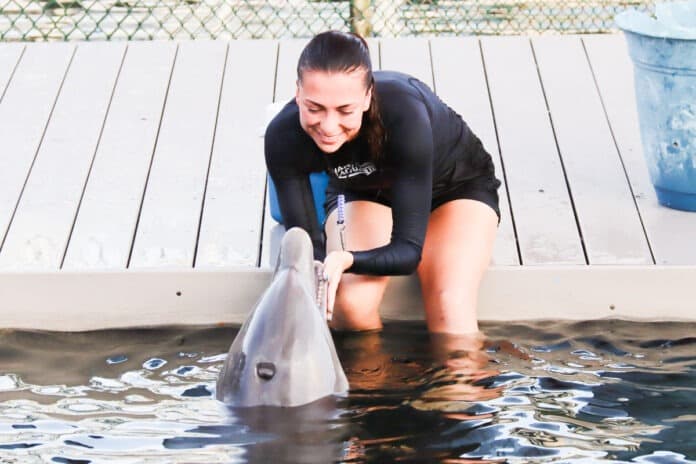
Dolphin Life announced that Aries, Onyx, Ripley and Zo were rehomed to its facilities in the Florida Keys after the closure of the Miami Seaquarium. The animals arrived on December 8 and were reported to be acclimating well. The nonprofit has emphasized that it will prioritize the dolphins welfare while gradually incorporating them into programming.
The arrival of four bonded marine mammals expands Dolphin Life's role in rescue and rehoming across the Keys. For Monroe County residents this is both an animal welfare story and a community issue. Bottlenose dolphins are highly social animals and maintaining the integrity of a bonded group reduces stress and improves outcomes. At the same time care, veterinary oversight and habitat management demand steady funding and trained staff, responsibilities that now fall more heavily on a local nonprofit.
Public health and environmental health intersect in events like this. Marine mammal health is linked to water quality and ecosystem conditions that also affect residents and the local economy. Veterinary care and monitoring of rehomed animals help protect against illnesses that can move between species, and they require coordination with state wildlife and public health agencies. Investing in monitoring and habitat care supports both animal welfare and the communitys broader health.
There are also economic and social equity dimensions. Monroe County relies on marine tourism for jobs and revenue, and new animal residents can become part of educational outreach that benefits schools and visitors. At the same time expecting a small nonprofit to absorb the costs and logistical burden without public support can strain local resources. Ensuring that the benefits of rescue work reach the whole community requires transparent planning about funding, staffing and access to educational programming.
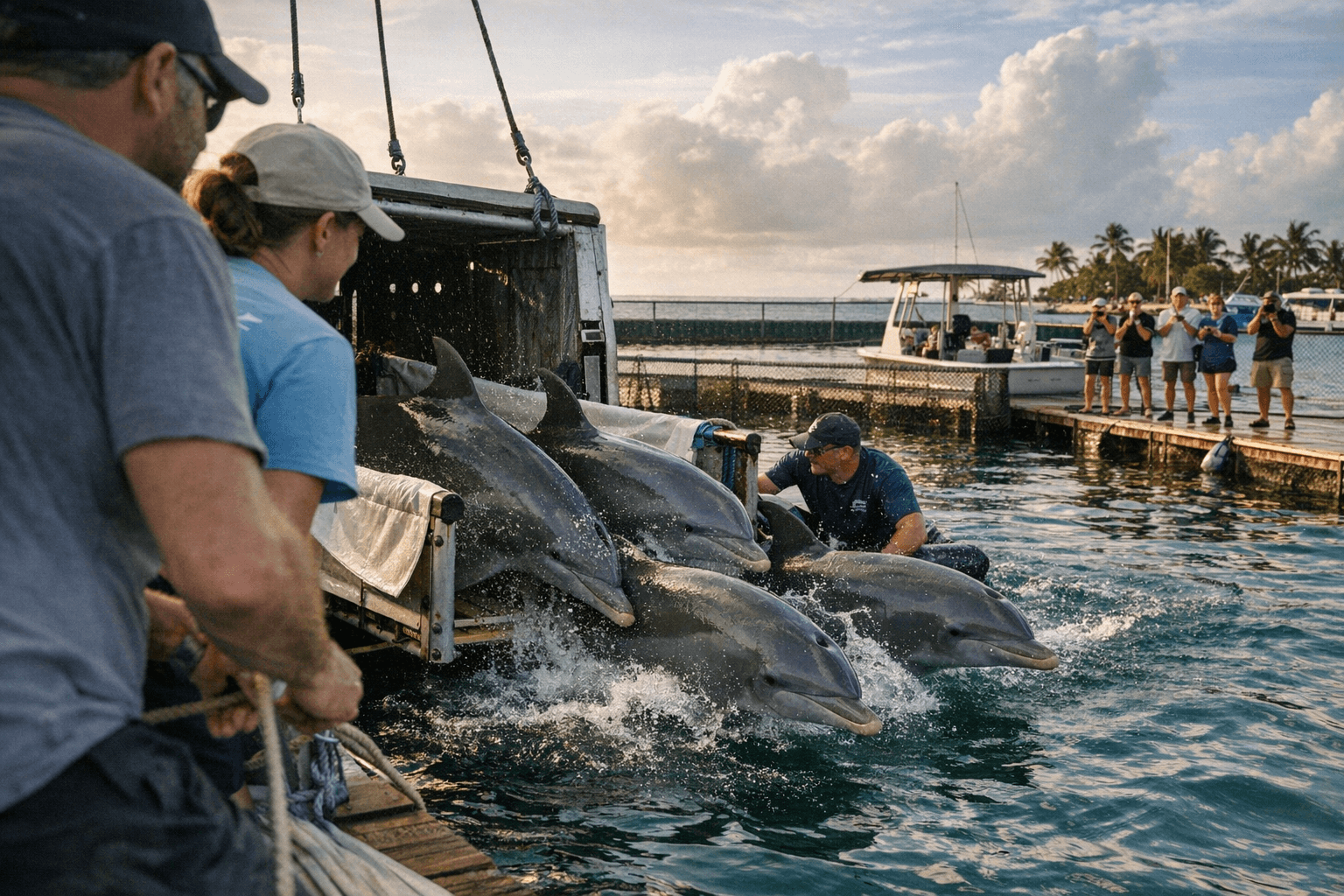
Policy questions linger about responsibilities when large marine attractions close. Rehoming efforts highlight the need for clear protocols and funding pathways that do not leave local organizations to shoulder disproportionate costs. For residents concerned about both ethical treatment of animals and local livelihoods, the situation underscores the value of coordinated planning between nonprofits, local government and state regulators.
Dolphin Life has signaled a cautious approach, prioritizing welfare and a gradual introduction into programming. For Monroe County the coming months will show how the nonprofit balances care, community education and the practical demands of supporting four socially bonded dolphins. Local stakeholders and officials will be watching how resources and policies adapt to ensure the animals wellbeing and the communitys long term environmental and economic health.
This article was produced by Prism’s automated news system from verified source data, official records, and press releases, then run through automated quality and moderation checks before publishing. The system is built and supervised by the people who set the standards it runs under. Read our full AI policy.
Did this article answer your question?