Family-Friendly Beaches and Parks Guide for Monroe County Residents
Monroe County offers a range of year-round beaches and parks suitable for families, from sandy shorelines in Key West to snorkeling and nature viewing in the upper and lower keys. This article outlines features, access considerations and practical safety and conservation tips residents need to plan outings and protect local habitats.
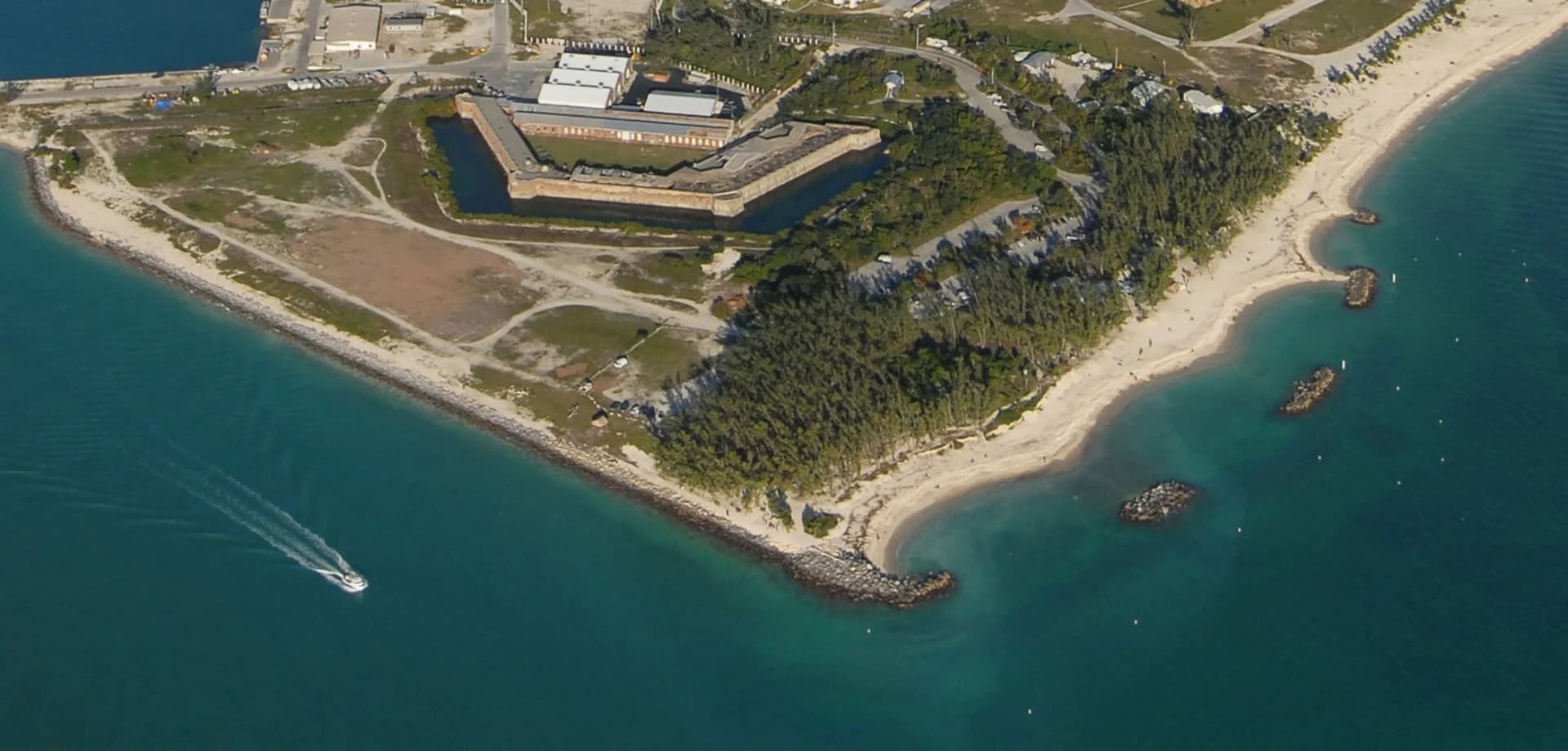
Monroe County’s coastline and parklands provide low-cost outdoor options that support family recreation, child development and local tourism. For families seeking broad sand and amenities, Higgs Beach in Key West offers a wide sandy shore with a playground, a pier and public restrooms, and sits near the Key West Garden Club for a quieter walk. Smathers Beach stretches as a long sandy shoreline with volleyball, concessions and rental options, making it well suited for swimming and picnics. Fort Zachary Taylor State Park combines historic fort grounds with a mix of rocky and sandy shoreline, close-shore snorkeling, shaded picnic areas and nature trails that appeal to multigenerational visitors.
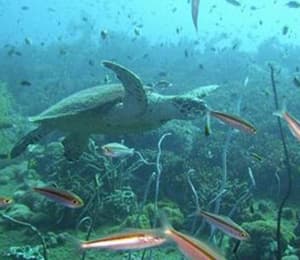
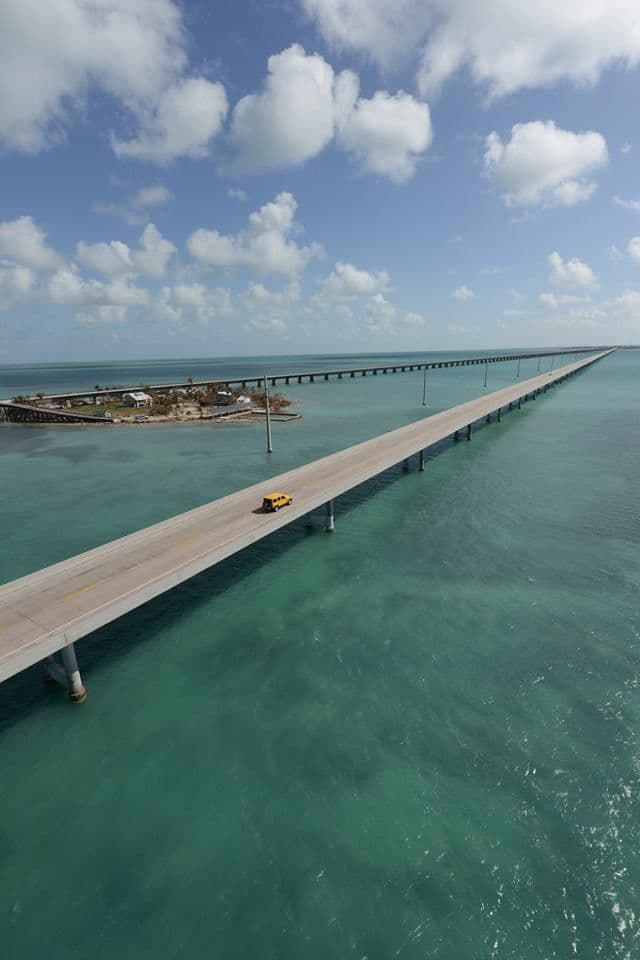
Further down the island chain, Big Pine Key has several popular local access points for lower keys nature viewing and proximity to the National Key Deer Refuge visitor areas; visitors are advised to bring binoculars and drive carefully to avoid wildlife collisions. Sombrero Beach in Marathon is publicly managed with picnic shelters, restrooms, occasional lifeguard presence and a gentle shoreline that suits small children; families should also pay attention to sea turtle nesting season updates at that site. John Pennekamp Coral Reef State Park in Key Largo provides glass-bottom boat tours, family-friendly snorkeling and interpretive programs, along with a visitor center and calm lagoon areas ideal for younger swimmers.
These outdoor sites are valuable community resources, but safe and equitable access depends on clear local policies and informed visitors. Parking rules, admission fees and seasonal lifeguard schedules vary by municipality and state park jurisdiction; check the appropriate municipal or state park website before visiting to confirm current rules and hours. Public health risks on the islands include sun exposure, dehydration and water safety; bring shade and water for every trip because island sun can be intense even in winter months. Use reef-safe sunscreen when snorkeling or swimming to reduce harm to coral habitats and follow posted guidance during nesting seasons to protect sea turtles.
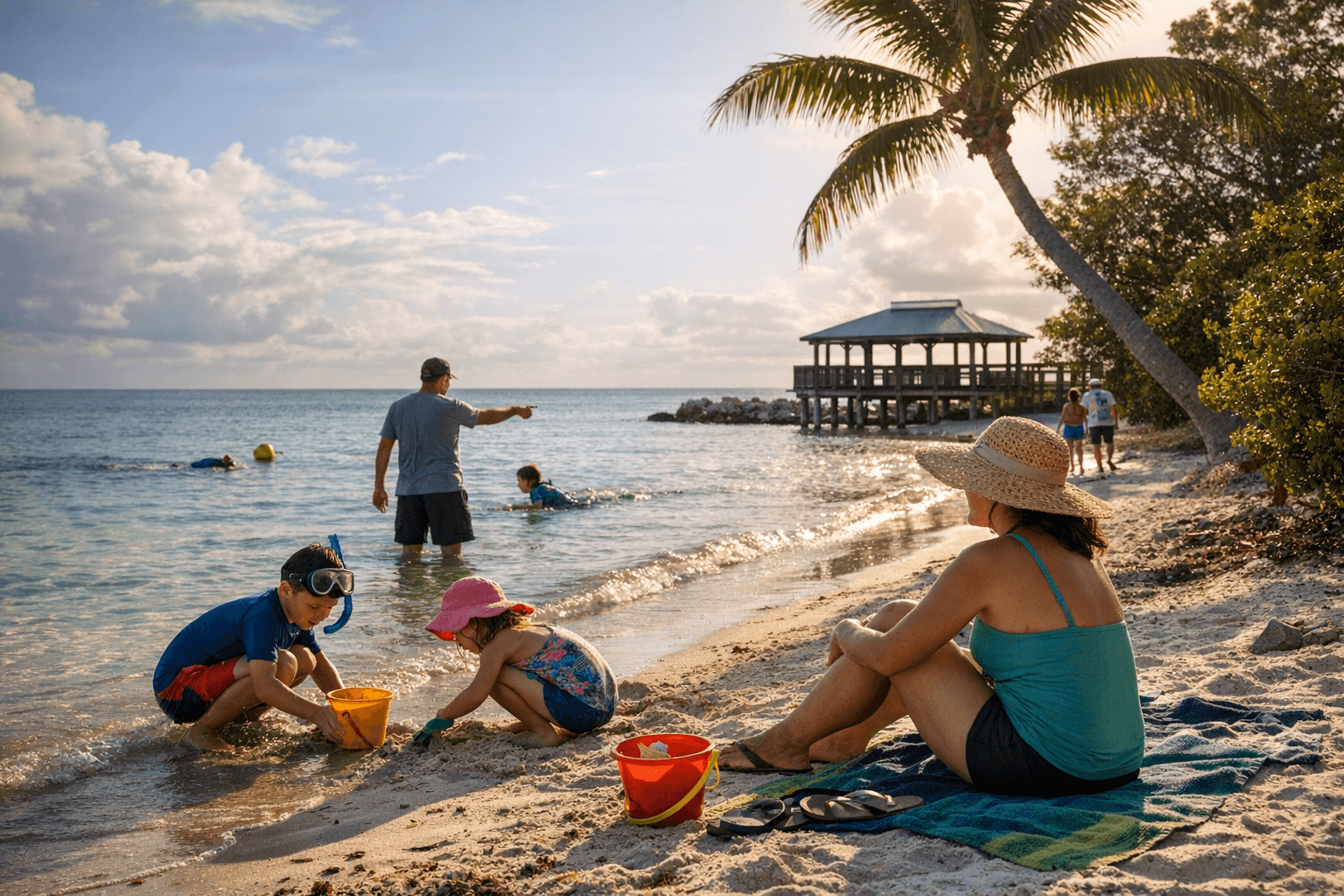
Respect for wildlife is essential: observe animals from a distance, do not feed wildlife and follow signage and refuge rules, particularly around the National Key Deer Refuge. Local officials and park managers shape who can safely use these spaces through decisions on parking enforcement, lifeguard funding, accessibility improvements and habitat protections. Ensuring equitable access to beaches and parks will require attention to costs, transit connections and amenities for people with mobility needs so that all Monroe County families can benefit from the county’s natural resources while protecting them for future generations.
This article was produced by Prism’s automated news system from verified source data, official records, and press releases, then run through automated quality and moderation checks before publishing. The system is built and supervised by the people who set the standards it runs under. Read our full AI policy.
Did this article answer your question?