Florida House, Senate Budget Standoff Could Extend Legislative Session by Billions
Florida's House and Senate are at least a billion dollars apart on the state budget, threatening to push lawmakers past their 60-day session deadline.
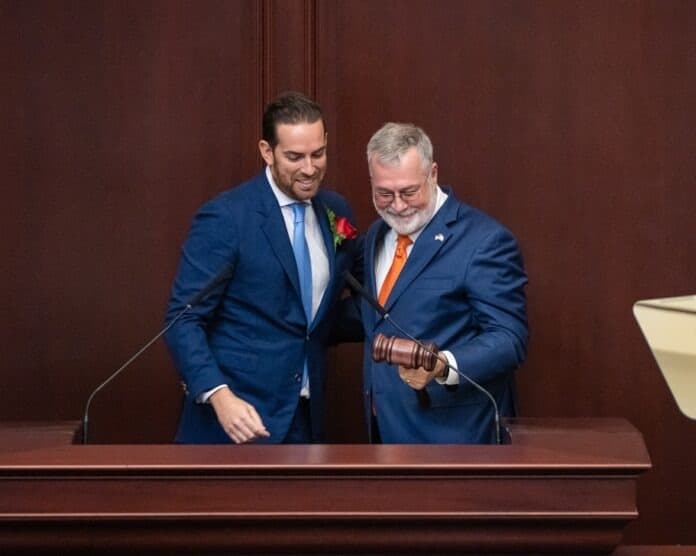
A widening gulf between the Florida House and Senate over competing budget priorities could force state lawmakers to work past the regular 60-day legislative session, according to a Keys Weekly analysis published March 12.
The piece, titled "A billion apart," frames the standoff as a fundamental disagreement between the two chambers over where the state's money should go. The title itself signals the scale of the divide, though the specific line items driving the impasse, whether education, infrastructure, environmental programs, or other priorities, were not fully detailed in available material. What is clear is that neither chamber had resolved its differences within the standard session window.
For the Florida Keys, a prolonged budget standoff in Tallahassee carries real consequences. Monroe County governments have watched state legislative decisions shape some of their most pressing local challenges, none more fraught than the years-long struggle over Rate of Growth Ordinance building rights, known as ROGOs.
"First, it was a squabble over how many to ask for. Next, it was whether or not the Legislature would allow them. And finally, it was a waiting game to learn how to accept them," Keys Weekly wrote in describing the ROGO saga. "The Keys Weekly lost count of how many times we wrote about the fate of new building rights (ROGOs) throughout the island chain in 2025."
That coverage captured a chronic anxiety running through local government: as ROGO allocations dwindled, municipalities faced the threat of takings cases, described as "multimillion-dollar lawsuits from owners of otherwise buildable land that were denied the chance to do so." Any delay at the state level in addressing ROGO-related legislation compounds that exposure.

The budget standoff arrives alongside a packed slate of state-level actions that touch Monroe County directly. The Florida House passed a property tax phaseout proposal that could reshape local revenue calculations. State lawmakers moved to ban support for diversity events, a measure with potential implications for local festivals and programming. A separate state bill threatens event funding, and new legislation could regulate e-bikes, a growing transportation mode throughout the Keys.
On the local government front, David Rice became the first candidate to file for the Monroe County Commission District 4 race, and the governor appointed four Florida Keys men to the College of the Florida Keys Board. The Southern Group, a prominent lobbying firm, also added Florida Keys native Erin Muir to its team, a move that signals continued advocacy efforts aimed at shaping state decisions that affect the island chain.
How much longer Tallahassee's budget negotiations will stretch, and what Monroe County stands to gain or lose in the final spending plan, remains unresolved as both chambers work toward a compromise.
This article was produced by Prism’s automated news system from verified source data, official records, and press releases, then run through automated quality and moderation checks before publishing. The system is built and supervised by the people who set the standards it runs under. Read our full AI policy.
Did this article answer your question?