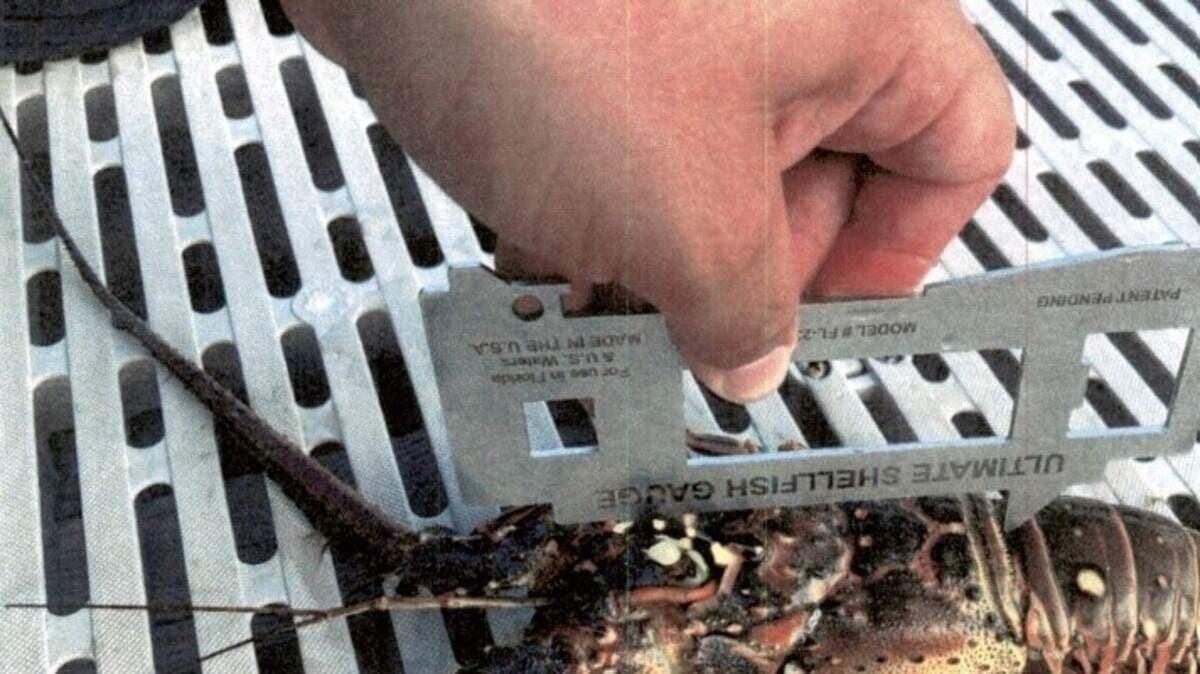
FWC arrests man over derelict boats in Florida Keys cleanup
A Florida Keys arrest in a derelict-boat case has already cost the state more than $370,000. FWC says the same man drew 24 boat violations from 2022 to 2025.
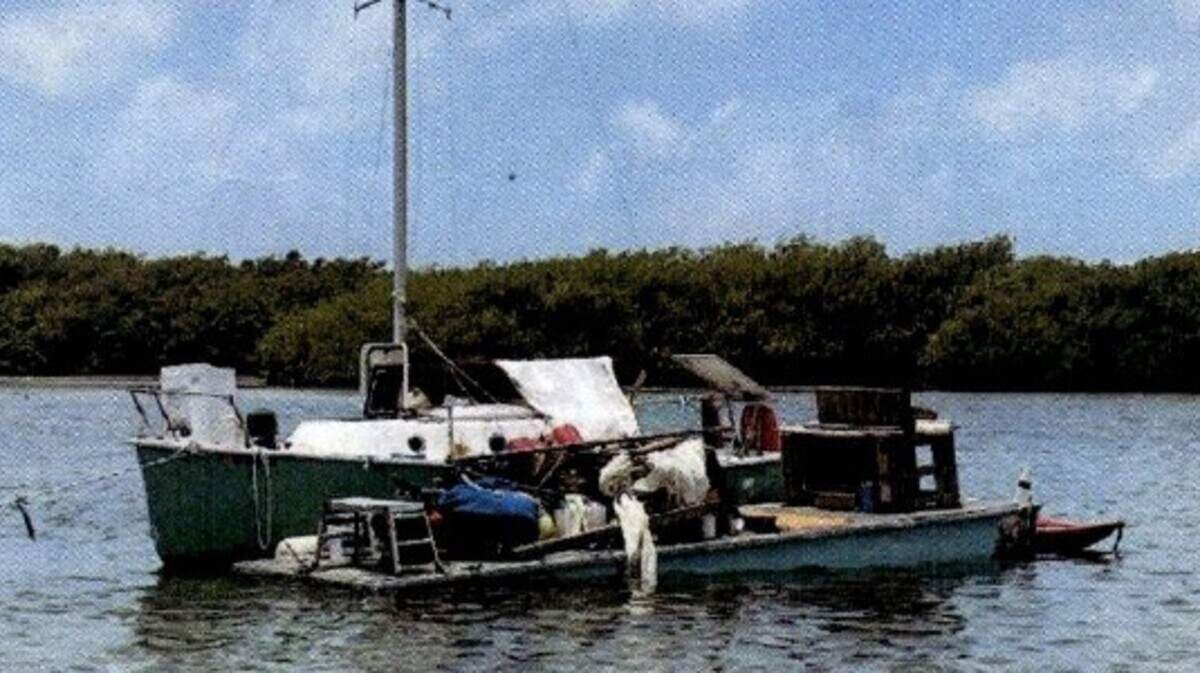
Florida Fish and Wildlife Conservation Commission officers arrested a man in the Florida Keys after a derelict-boat case that has already run up more than $370,000 in state removal and storage costs.
FWC says the same man was issued 24 violations between 2022 and 2025 for boats he either owned or operated. The agency says derelict and at-risk vessels can endanger marine life and habitat, pose public-safety threats, damage property and block navigable waterways, making abandoned boats a continuing problem in Monroe County waters.
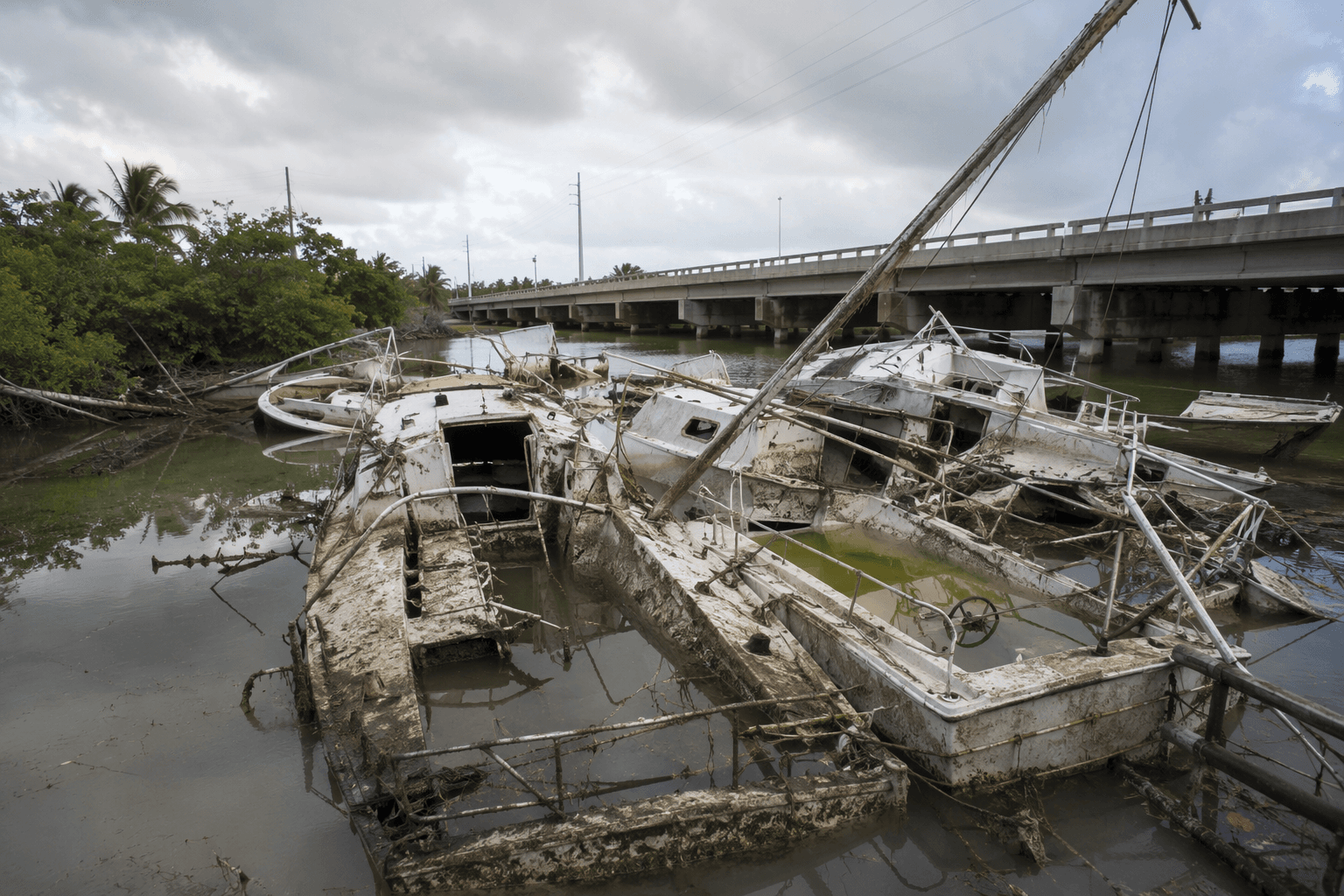
The arrest puts a hard price on a problem Keys residents see again and again: once a boat is left to deteriorate, the public often absorbs the cost of getting it out of the water and keeping it somewhere secure. FWC’s derelict-vessel grant program is designed to reimburse local governments for removing those boats from public waters, with money appropriated by the Florida Legislature. In Monroe County, that system has been used for years as officials try to keep the island chain from becoming a storage yard for wrecked hulls.
The scale of the cleanup is not small. FWC completed the removal of 24 derelict vessels from the Florida Keys on Feb. 21, 2022, and Monroe County said contracted crews removed 237 vessels throughout the island chain between August 2024 and the end of that year. Those numbers show how quickly abandoned boats can pile up across the Keys, where narrow channels, shallow flats and heavy use by residents, charter captains and commercial operators leave little margin for debris in the water.
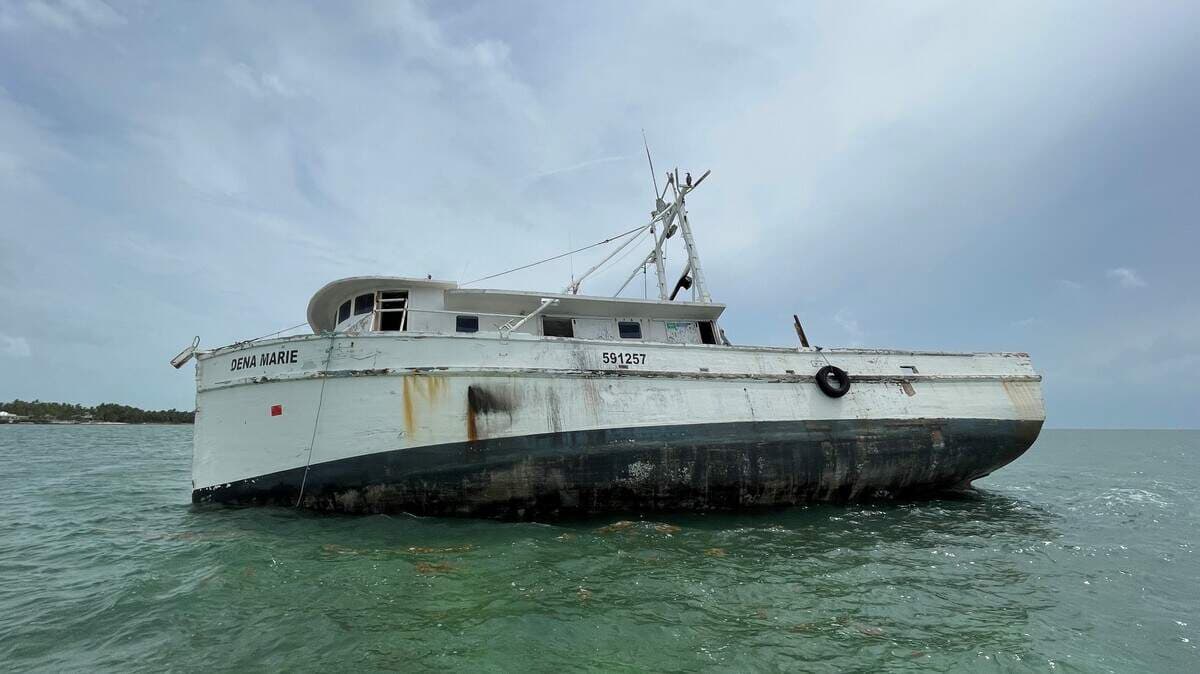
Monroe County has also treated derelict vessels as a reporting issue, urging residents to flag problem boats so they can be identified before they sink, break loose or spread contamination. The latest arrest raises the same question county crews and state officers have been facing for years: whether civil violations, removal bills and repeated enforcement are enough to stop the same boats from becoming somebody else’s problem again.
This article was produced by Prism’s automated news system from verified source data, official records, and press releases, then run through automated quality and moderation checks before publishing. The system is built and supervised by the people who set the standards it runs under. Read our full AI policy.
Did this article answer your question?