Hurricane Irma may have spread pythons, deepening Key Largo woodrat decline
Irma may have helped pythons spread through North Key Largo, where endangered woodrats crashed to 0.61 per hectare by 2024.
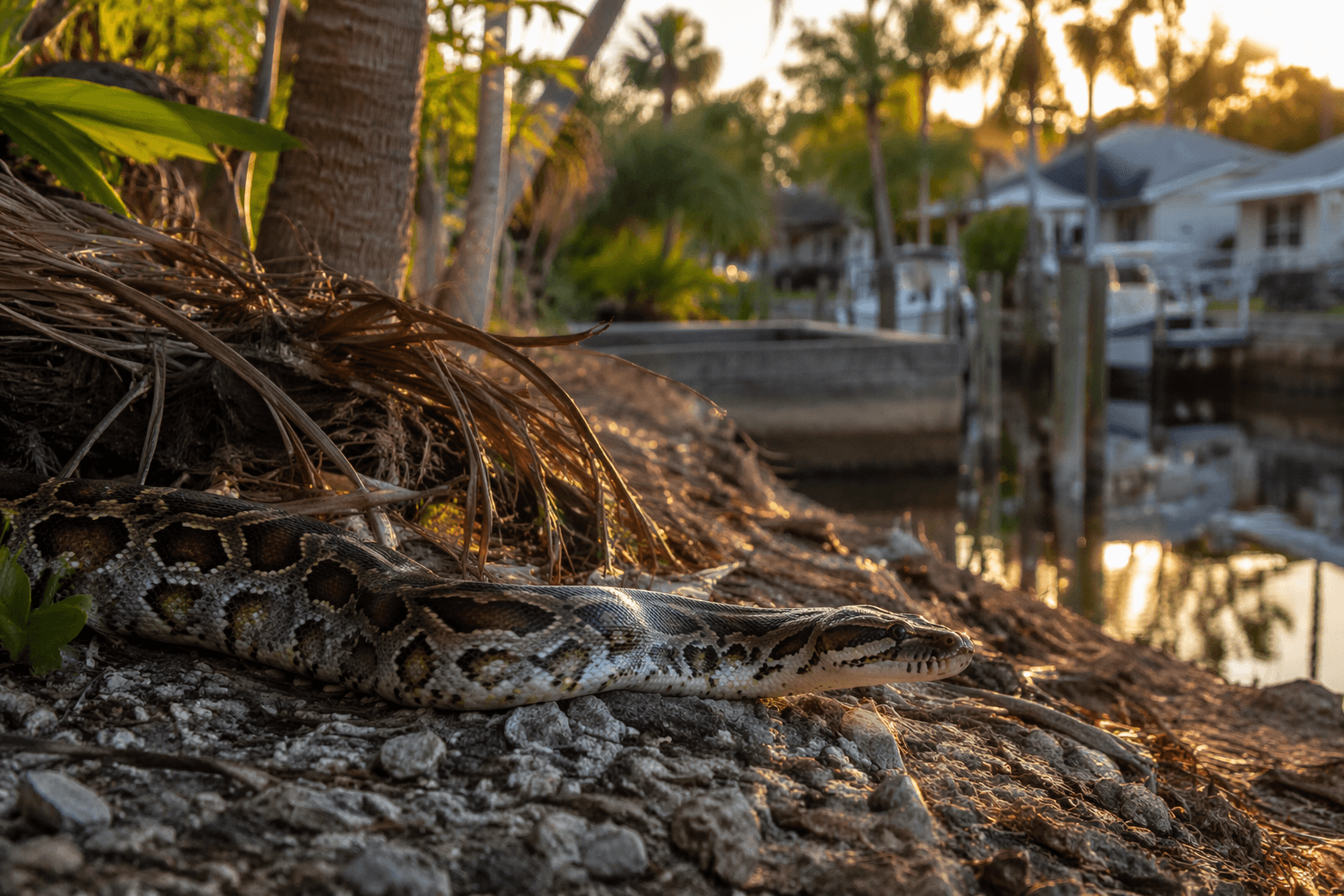
A federally endangered rodent in North Key Largo has fallen to a fraction of its former density, and researchers say Hurricane Irma likely helped the invasive predator behind part of that decline spread across Monroe County. In the same stretch of tropical hammock where the Key Largo woodrat once held on, the storm’s flooding and canopy damage appear to have made conditions even worse for a species already under siege.
The Key Largo woodrat, Neotoma floridana smalli, lives only in the hammocks of North Key Largo. It is a nocturnal herbivore that builds large stick nests, stores food there and functions as an ecosystem engineer, because other wildlife use those nests too. That narrow range has left it exposed for decades to habitat loss, fragmentation, storms, fires, feral cats, black rats and sea-level rise.
New field work in North Key Largo used live trapping and spatially explicit capture-recapture models from 2017 through 2024. The results show woodrat density dropping from about 3.48 to 3.59 individuals per hectare in 2017 to 0.61 per hectare in 2024. Cotton mouse trends moved differently, but the woodrat’s collapse stood out as the most alarming signal in the study.
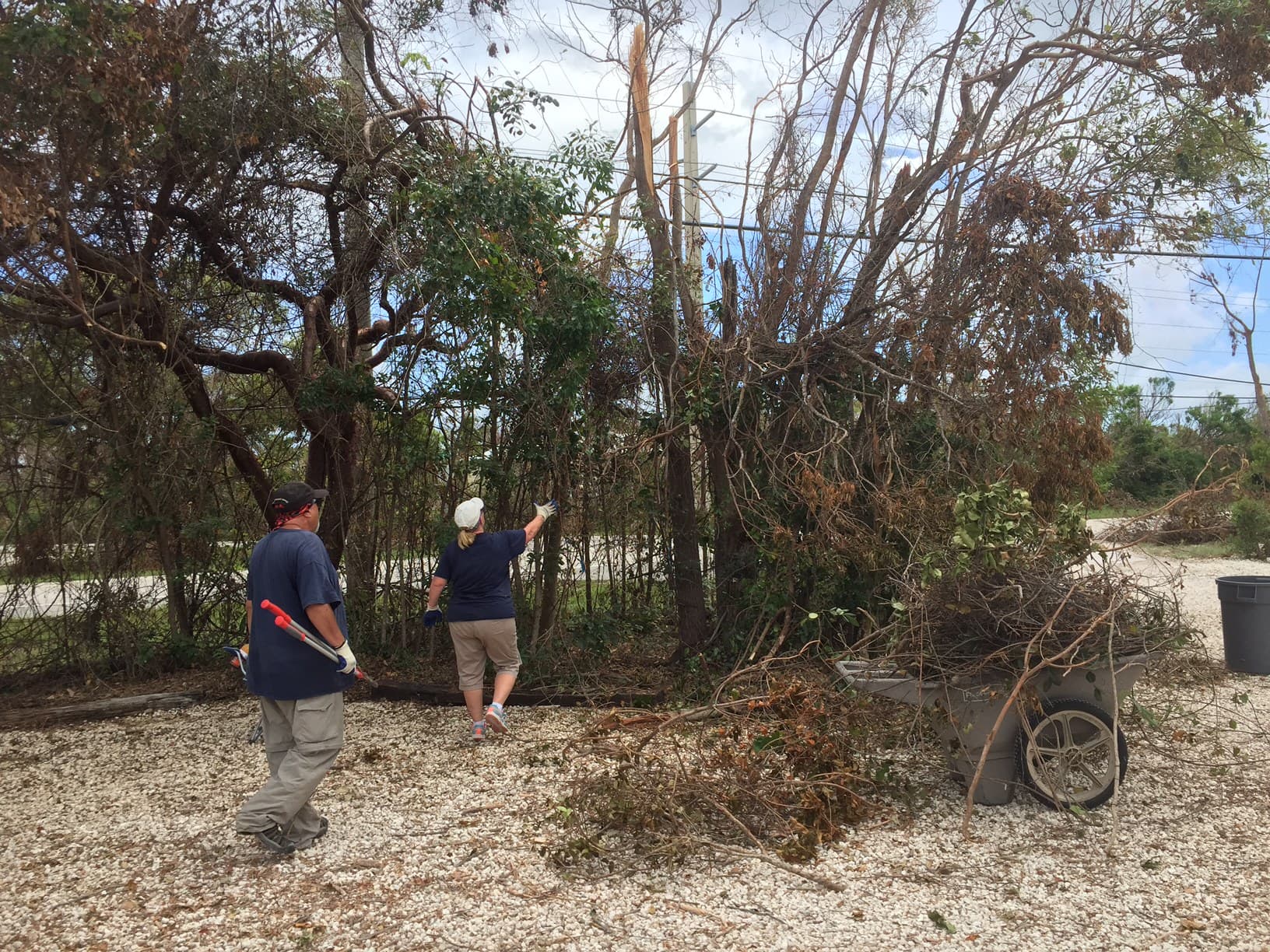
Researchers say Hurricane Irma, which made landfall in the Florida Keys in September 2017 as a Category 4 storm, likely served as a python dispersal event. For Monroe County and the land managers responsible for Crocodile Lake National Wildlife Refuge and Dagny Johnson Key Largo Hammock Botanical State Park, that matters because the storm did more than damage habitat. It may also have helped spread Burmese pythons into places where the woodrat had its last strongholds.
Burmese pythons were first detected in North Key Largo in 2007, evidence of reproduction was documented in 2016, and more than 60 pythons have been captured in Key Largo since 2007. Necropsies of captured snakes have shown evidence of Key Largo woodrat depredation, tying the invasive snake directly to the pressure on the native rodent.
The warning now is blunt. If python pressure continues, researchers say the Key Largo woodrat could go extinct within decades. That leaves the U.S. Fish and Wildlife Service, the Florida Fish and Wildlife Conservation Commission and local refuge managers with an urgent Monroe County problem: targeted python removal, habitat restoration and continued monitoring have to do more than slow the decline, because another preventable blow to a federally protected species would be one more failure the Keys cannot afford.
This article was produced by Prism’s automated news system from verified source data, official records, and press releases, then run through automated quality and moderation checks before publishing. The system is built and supervised by the people who set the standards it runs under. Read our full AI policy.
Know something we missed? Have a correction or additional information?
Submit a Tip