Key deer face rising seas, local conservation ramps up efforts
Conservationists and refuge staff in the Lower Keys are intensifying work to protect the Key deer, a tiny subspecies unique to the Florida Keys whose population numbers are only in the hundreds. Rising sea levels and warming driven increases in storm intensity threaten the deer habitat that supports their recovery, forcing Monroe County to confront new policy choices about land use, emergency planning, and conservation funding.
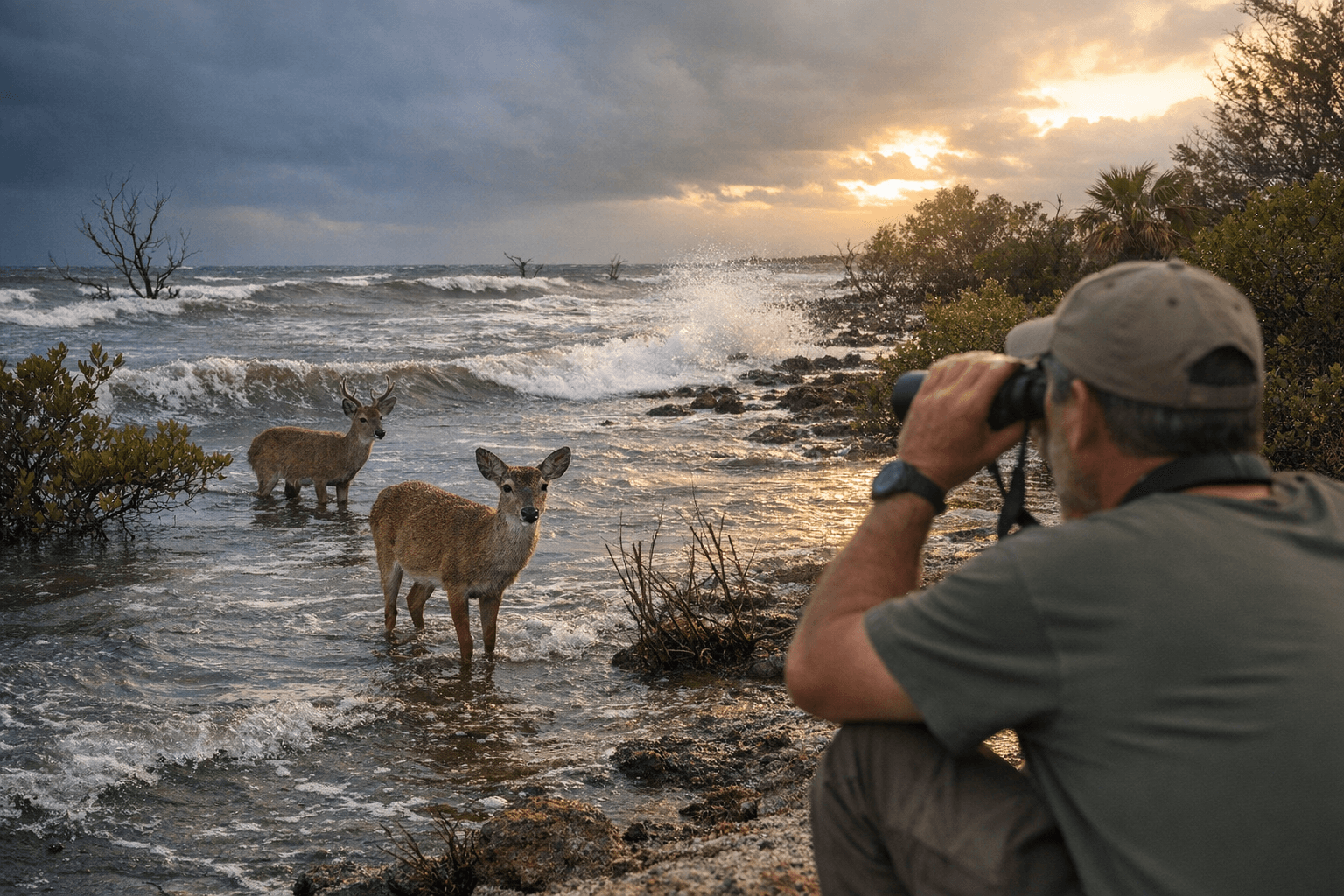
Monroe County conservation teams and refuge personnel are focusing attention on the Key deer, a distinct, small form of white tailed deer found only in the Florida Keys, as climate driven sea level rise and stronger storms increasingly threaten the habitat these animals depend on. The population is now roughly in the order of hundreds, a dramatic recovery from the twentieth century when numbers fell to only a few dozen, but experts warn that the progress could be undone if current habitat is lost to rising water.
Key deer rely on a mosaic of mangroves, pine rocklands, and freshwater wetlands across a subset of the islands. Those habitat types are especially vulnerable to inundation. NOAA projections show potential sea level rise that could substantially reduce or flood current deer habitat over coming decades. Warming driven increases in storm intensity add further risk to the freshwater resources and upland areas the deer use for foraging and refuge during high tides.
Local conservation actions are already in place, including habitat protection, population monitoring, and planning to anticipate habitat loss. The National Key Deer Refuge, established in 1957, has been central to the species recovery and remains a focal point for local stewardship. At the same time officials and conservation groups are discussing longer term options that could include managed relocations or new conservation approaches if sea level rise follows higher projection pathways.
For Monroe County residents the stakes are both ecological and practical. Loss of Key deer habitat would affect biodiversity and could alter tourism patterns that support local businesses. Land use and zoning decisions along with infrastructure investments will determine whether remaining habitat corridors are preserved or fragmented. The county faces policy choices about incorporating sea level projections into planning, allocating funds for habitat work and monitoring, and coordinating with federal scientific and conservation agencies.
Civic engagement will influence those decisions. Public participation in refuge planning, attendance at local meetings, and support for budgets that prioritize resilient habitat and monitoring can shape outcomes for the Key deer and for county resilience more broadly. The species recovery achieved since 1957 demonstrates that policy choices matter, and current climate trends will test whether Monroe County can translate conservation commitments into long term protection.
This article was produced by Prism’s automated news system from verified source data, official records, and press releases, then run through automated quality and moderation checks before publishing. The system is built and supervised by the people who set the standards it runs under. Read our full AI policy.
Did this article answer your question?