Key West 2025 Review: Leadership Shifts, Safety and Civic Debates
A year-long chronology of Key West’s 2025 headlines shows a city reshaped by leadership turnover, high-profile criminal cases, and contentious community debates over preservation and public space. These developments affected local governance, public safety confidence, and civic engagement, raising policy questions for Monroe County officials and voters.
Key West’s 2025 civic calendar was dominated by a string of leadership changes, public-safety crises, and sustained community debates that reshaped local priorities and political conversations. The year opened and closed with stories that forced residents and officials to reckon with institutional oversight, public trust, and the practical work of running a small coastal city.
At the center of administrative change was the arrival of Brian L. Barroso as Key West’s new city manager, a transition that reset municipal management priorities and departmental leadership. Voter-administration responsibilities also changed hands when Sherri Hodies was sworn in as Monroe County Supervisor of Elections, a post that will influence election operations, voter outreach, and confidence in local electoral processes.
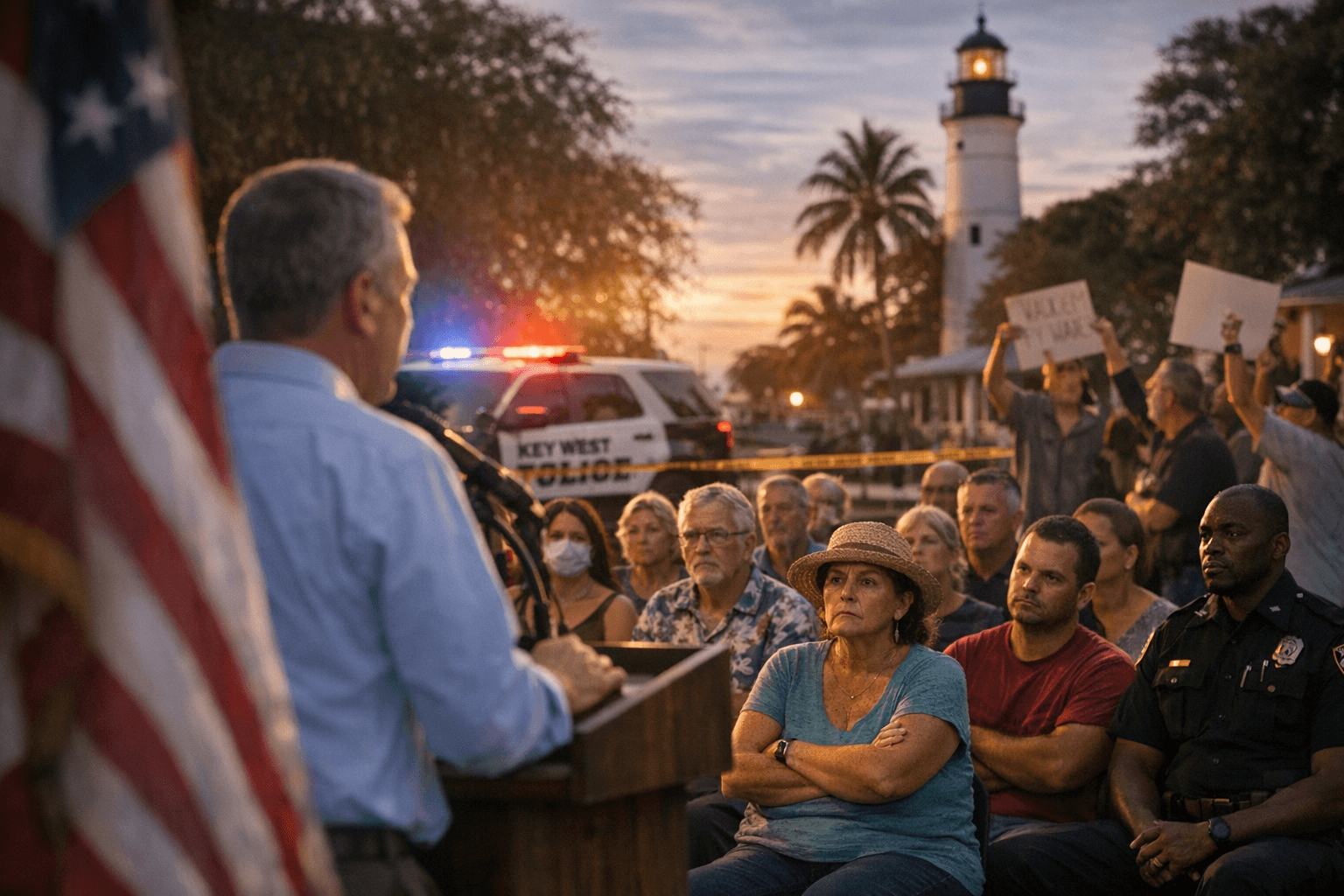
Public safety dominated headlines at multiple points in the year. Investigations and arrests involving local officials and first responders prompted scrutiny of oversight mechanisms and internal controls in municipal agencies. High-profile criminal cases, including an arrest tied to fentanyl distribution in the community, intensified conversations about enforcement priorities, drug interdiction resources, and the need for prevention and treatment strategies that reach beyond policing.
Cultural life and community traditions offered counterpoints to the controversy. The Wounded Warrior Soldier Ride returned, and programming from the Key West Literary Seminar helped sustain tourism and local cultural engagement. Those events underscored the city’s continued role as a regional cultural hub even as governance challenges unfolded.
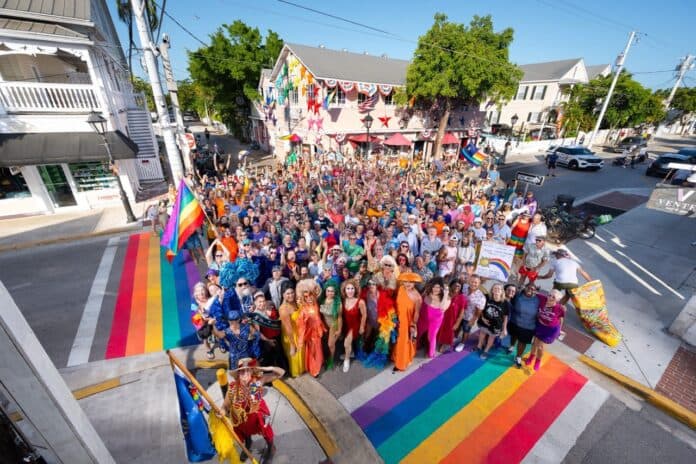
Historic preservation and the management of public space fueled passionate local debate. Disputes over preservation policy and disputes described as the “rainbow fence” and crosswalk issues reflected deeper tensions about identity, visual culture, regulatory consistency, and how municipal codes are applied to private and public property. Such controversies produced visible community reaction and political fallout that elected officials and planning bodies will need to address through clarified rules and public engagement.
Health-care governance emerged as a pressing concern with sustained community conversations about the future and management of Lower Keys Medical Center. Questions about financial stability, service continuity, and the role of public officials in safeguarding rural health infrastructure will likely shape policy discussions at county and state levels.
Taken together, the year’s chronology reveals a community balancing continuity and change: maintaining cultural events and civic traditions while confronting governance lapses, public-safety threats, and divisive local debates. For Monroe County residents, the policy implications are immediate, demanding clearer oversight, stronger civic engagement in planning and elections, and coordinated responses to public health and safety challenges as officials prepare for the year ahead.
This article was produced by Prism’s automated news system from verified source data, official records, and press releases, then run through automated quality and moderation checks before publishing. The system is built and supervised by the people who set the standards it runs under. Read our full AI policy.
Did this article answer your question?