Key West Lighthouse traces Monroe County’s maritime history from 1825
The Key West Lighthouse still links Monroe County’s naval beginnings, storm survival, and today’s tower climb at 938 Whitehead Street.
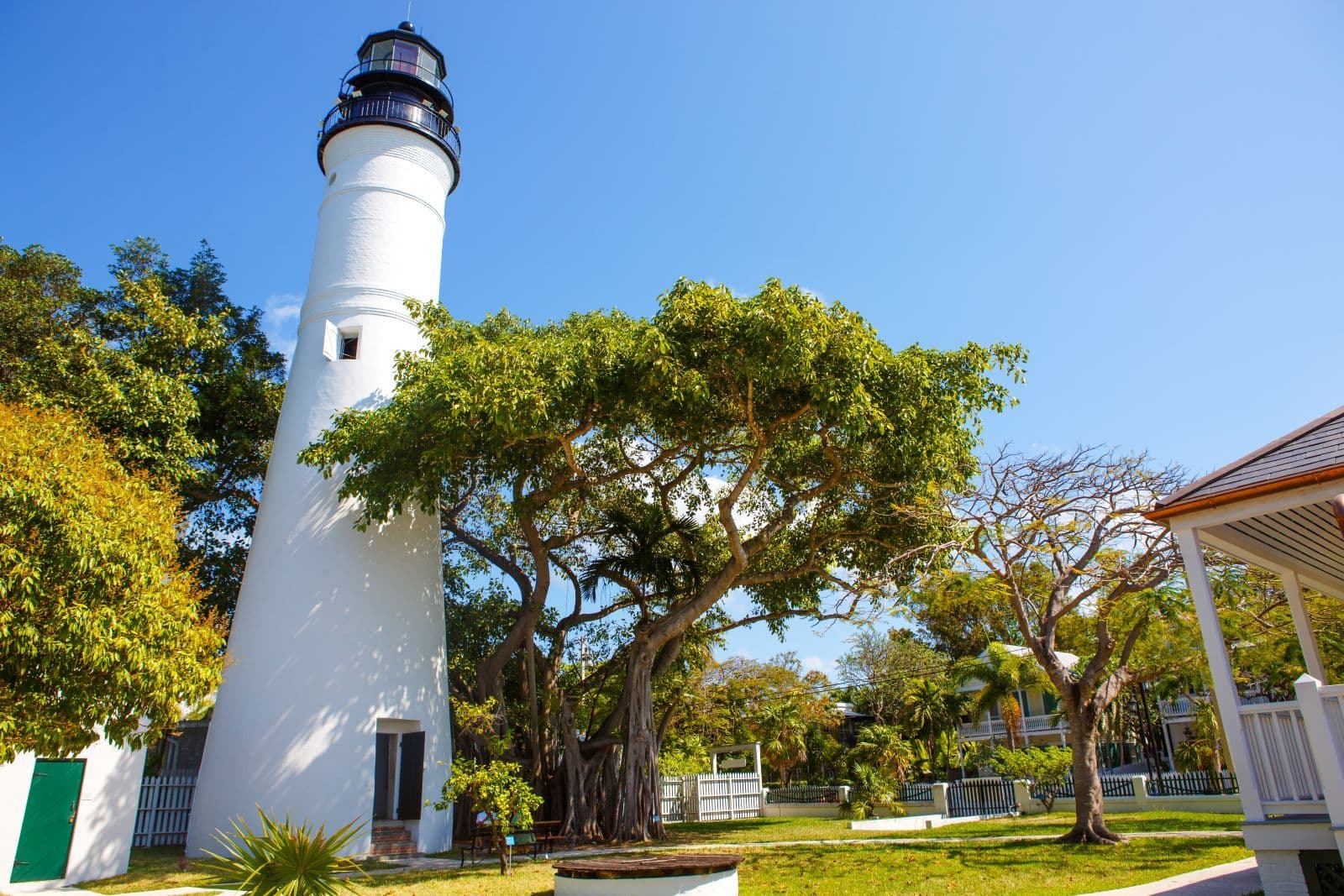
The Key West Lighthouse began as a practical answer to a dangerous harbor problem. After the U.S. Navy established a base in Key West in 1823, the need for a beacon became obvious, and the island’s role as a working port only grew from there.
A lighthouse built for a risky stretch of water
The first Key West lighthouse went up in 1825 as a 65-foot tower, and the Great Havana Hurricane of 1846 destroyed it. A replacement was completed in 1848, giving the island a new light for ships coming through waters that had already proven how quickly weather could overwhelm navigation.
Monroe County says that rebuilt tower stood 50 feet tall. The U.S. Coast Guard Historian’s Office records a later height of 90-1/2 feet after modifications, which shows how the structure changed as the light station evolved over time. One historical source also describes the 1848 light as having 13 lamps in 21-inch reflectors, a reminder that the site’s original job was technical as much as symbolic.
The historic marker tour in Key West identifies the lighthouse as Historic Marker number 67 and dates it circa 1825. That layered timeline matters in Monroe County, where the lighthouse is not just a surviving building but part of the county’s earliest maritime infrastructure.
What you can experience at 938 Whitehead Street
The Key West Lighthouse & Keeper’s Quarters Museum sits at 938 Whitehead Street in Key West, a location that places it squarely in the city’s dense historic core. Monroe County owns the property, and the Key West Art & Historical Society operates the museum and handles interpretation for visitors.
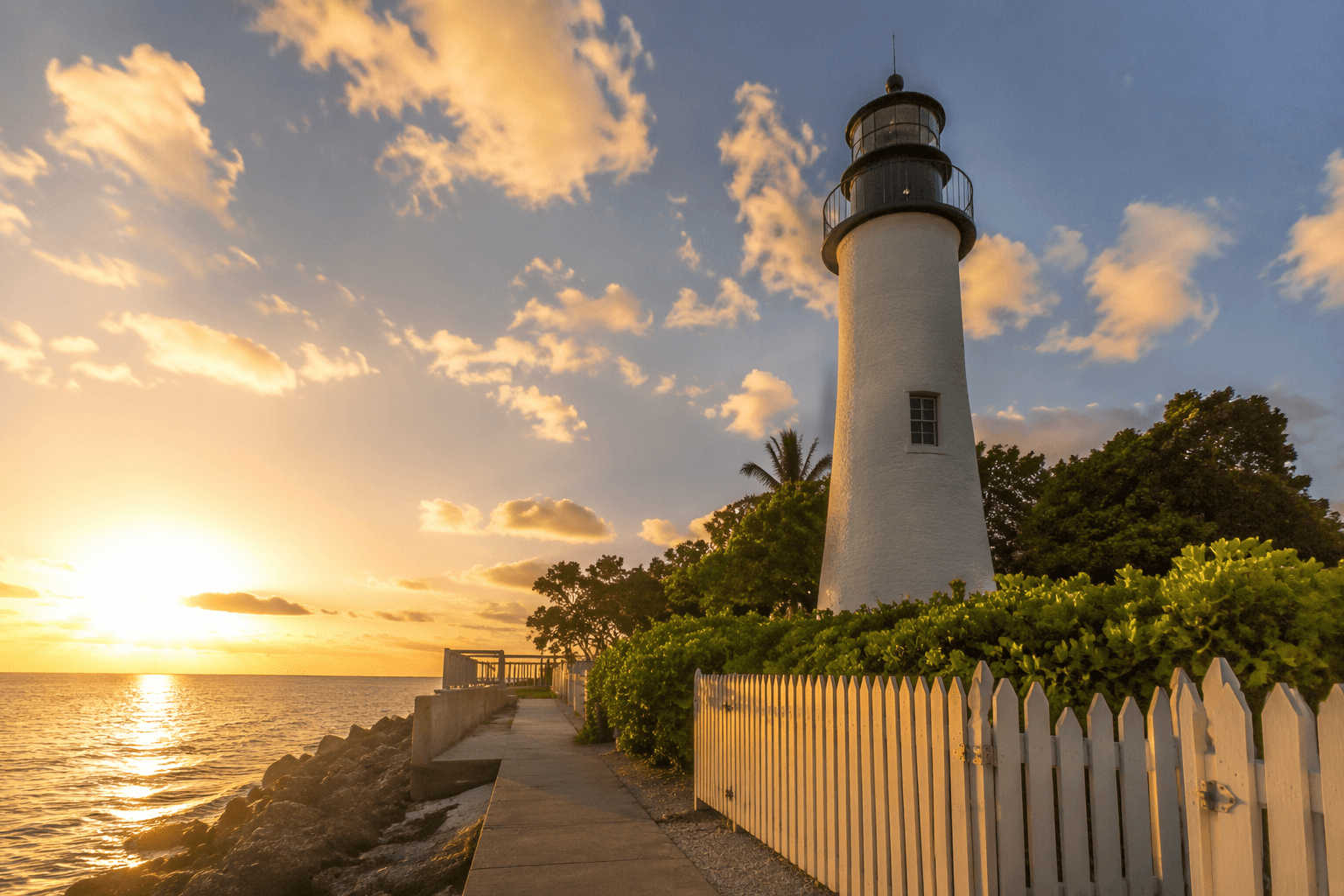
The climb is one of the most concrete ways to understand why the site still draws people in. Visitor guides say the tower climb includes 88 steps, turning the lighthouse from a passive landmark into something you physically work your way through, step by step, before looking out over the island and the harbor.
The keeper’s quarters are part of the experience as well. That museum space helps explain how a light station functioned as a lived-in place, with the keeper’s household supporting the operation of the beacon and the daily rhythm of coastal safety. Together, the tower and quarters make the site more than a postcard stop; they show how navigation, domestic labor, and maritime work were tied together on the island.
Why the site matters beyond local history
Key West’s lighthouse tells a public-safety story that still makes sense today. The harbor, the weather, and the volume of ship traffic made reliable navigation essential, and the lighthouse represented one of Monroe County’s earliest tools for reducing risk for vessels, cargo, and people. That practical purpose helps explain why the building remains more relevant than a simple heritage display.
It also helps explain Key West’s identity as more than a resort town. The lighthouse points back to the island’s maritime function, from the Navy base in 1823 to the port economy that grew around safe passage into harbor. For visitors, that context makes the island easier to read: the pastel streets and tourist traffic sit on top of a working-waterfront history that shaped the county’s development.
The site’s historic marker and its museum interpretation also connect the lighthouse to the broader story of Monroe County preservation. The property shows how a landmark can do two jobs at once, preserving memory while helping visitors understand the practical realities that made Key West important in the first place.
Preservation work that keeps the museum viable
The lighthouse has needed restoration to stay open in a hurricane-prone region, and that work has shaped its modern life. A Monroe County Board of County Commissioners Facebook post dated August 24, 2017, said the museum had fully reopened after four months of intermittent closures tied to restoration work. A Key West Chamber of Commerce item dated August 22, 2023, also marked a reopening after extensive restoration.
Those reopenings matter because the site is not self-sustaining without ongoing stewardship. Monroe County’s ownership and the Key West Art & Historical Society’s operation of the museum create the practical framework that keeps the tower climb, keeper’s quarters, and interpretation available to the public.
That preservation work is especially important in a place that has already seen its lighthouse destroyed once by a major hurricane. The rebuilt tower’s survival, later modifications, and repeated restoration show how Monroe County treats the site as infrastructure for memory as well as for tourism. Visitors see a landmark; the county has to maintain a structure that can keep telling the story.
Why locals and visitors still come here
For residents, the lighthouse remains one of the clearest places to see how Monroe County’s history began with navigation, naval presence, and storm response. For visitors, it offers something more grounded than a generic heritage stop: a climb up 88 steps, a keeper’s quarters museum, and a direct link to the waterfront conditions that made Key West matter.
The site’s value is partly cultural and partly economic. It adds to the island’s tourism economy by giving travelers a specific, place-based reason to stop in Old Town, while also reinforcing the maritime identity that distinguishes Key West from other Florida destinations. The lighthouse keeps doing what it was built to do in a new form: orient people, tell them where they are, and explain why this corner of Monroe County was worth building around in the first place.
This article was produced by Prism’s automated news system from verified source data, official records, and press releases, then run through automated quality and moderation checks before publishing. The system is built and supervised by the people who set the standards it runs under. Read our full AI policy.
Did this article answer your question?