Key West review system protects historic district character
A roof, window, or addition in Old Town can trigger HARC review before work starts, and bigger projects can slide to next month’s agenda.
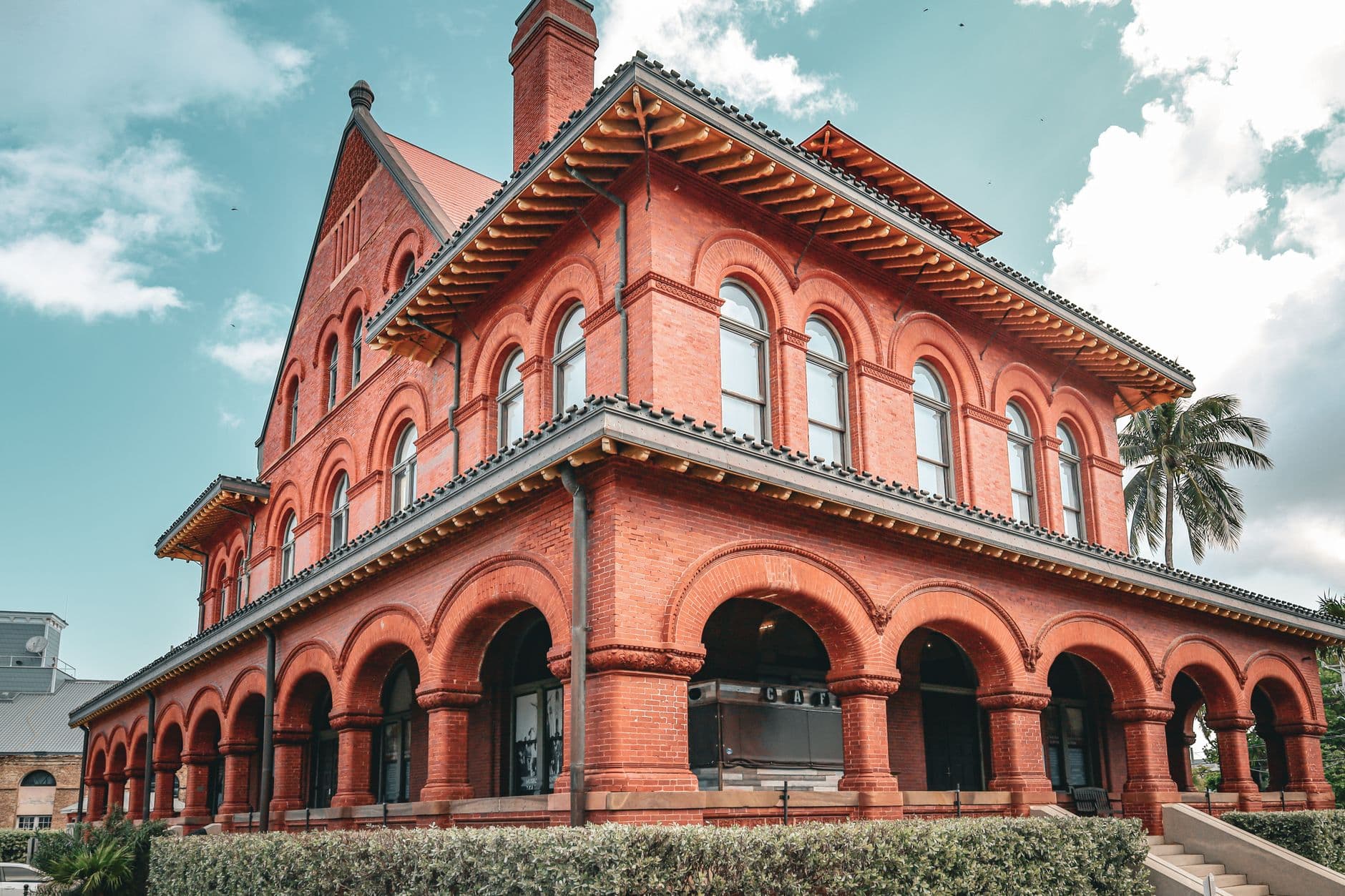
A roof leak in Old Town or a storm-broken window on White Street is not just a maintenance job in Key West. It can become a preservation review before the contractor starts work, because the city uses HARC and the COA process to keep exterior changes from blunting the district’s character. That caution carries extra weight on an island where FEMA puts the highest ground at about seven feet above mean sea level and large parts of Old Town have flooded often.
Where the review starts
The Key West Historic District was added to the National Register of Historic Places on March 11, 1971, and expanded on February 24, 1983. It covers about 4,000 acres with 187 historic buildings and one structure, and the National Register is the federal list created under the National Historic Preservation Act of 1966. Under Key West’s guidelines, preserving the character and appearance of its historic districts serves the educational, cultural, and economic welfare of the city.
The City Charter created the Historic Architectural Review Commission. HARC oversees the preservation and conservation of historic districts, plus buildings individually listed in the National Register and contributing buildings in the city’s historic survey. A property falls under HARC jurisdiction if it sits inside the local historic district or a historic zoning overlay, whether the structure dates to 1880 or 1980.
What actually needs approval
The review reaches far beyond major additions or new construction. A Certificate of Appropriateness is required for new structures, fences, decks and signs, as well as exterior painting, repainting, repair, alteration, remodeling, landscaping and demolition. Since March 10, 2025, applicants have had to obtain the COA separately from the building permit, even though the city still tries to run the steps through a coordinated process.
Most routine work never reaches the commission floor. City figures put about 95 percent of COA applications at staff level, but applications involving major changes, demolitions or additions can be pushed onto a HARC agenda. HARC caps new major projects at 10 per monthly agenda, and anything beyond that is usually deferred to the following month.
For homeowners and contractors, the first stop is often not a permit counter but a staff conversation. The Historic Preservation Division holds walk-in office hours every Wednesday from 8:30 a.m. to 12:30 p.m., and projects requiring HARC review must schedule a pre-application meeting with staff before filing. Combined building and HARC applications can be filed online through eTRAKiT or in person at 1300 White Street.
Why ordinary projects change
Windows are a good example of how the system can reshape a routine job. Staff will visit the property to assess replacement windows, and if the structure has historic windows, the rule is repair first, not replacement. If windows must be replaced, the new units have to match the original materials and style, with wood windows on the front and sides where the original windows were wood, and clear, untinted glass.
Roofs can be just as sensitive. If a historic roof needs replacement, similar metal shingles must be used rather than inappropriate materials such as V-crimp metal. The same design manual also lays out separate treatment for window protection and storm shutters, which is where post-storm repairs often run into preservation requirements before the first contractor invoice is paid.
Additions bring the sharpest friction because they can destroy historic fabric. Owners should study whether interior rearrangement can solve the space problem before changing the outside, and additions often involve the loss of walls, roofs and structural components. Additions can alter mass, symmetry, scale and the relationship between a building and its neighbors.
Real properties show the trade-offs
Old City Hall on Greene Street shows how the system can both preserve and adapt. The preservation board led the restoration that ended with the building’s rededication in 1991, and in 2009 the first floor was completely renovated and windows were added to enclose the downstairs space. The Armory on White Street is another local example: grants have been secured for rehabilitation and maintenance, and Armory repairs and disaster mitigation were supported in part by an emergency supplemental grant after Hurricane Irma damage.
The Oldest House dates to 1829. The house is now managed through the Historic Florida Keys Foundation. The Historic Florida Keys Foundation’s 2025 award list included private properties at 1325 South Street, 1419 Truman Avenue and 317 Amelia Street.
How to move a project forward without getting stuck
The shortest path through the system is simple: confirm HARC jurisdiction, meet with staff, file the COA, and keep the building permit in step with it. If the project is minor, staff may clear it without a commission hearing; if it is large, the monthly agenda cap can push the hearing into the following month. Public comments on a project must reach the clerk by 10 a.m. the Monday before the HARC meeting.
The Wednesday walk-in hours, the combined application, and the online eTRAKiT portal are meant to cut duplicate paperwork without softening the preservation standard.
Why Monroe County keeps this network in place
Key West is not the only preservation actor in the Keys. Founded in 1960, the Old Island Restoration Foundation credits itself with helping shape the preservation policies that later became part of HARC. Its mission is preserving and promoting Key West’s architecture, culture and history. The Historic Florida Keys Foundation traces its public role to the state Historic Key West Preservation Board established in 1972. It incorporated by 1991, took over those duties after the state office ended in 1997, and now manages the Monroe County historic preservation program.
The Historic Florida Keys Foundation’s staff traveled with Monroe County to Tallahassee to advocate for preserving the Old Seven Mile Bridge, which is now repaired, preserved and open to the public.
This article was produced by Prism’s automated news system from verified source data, official records, and press releases, then run through automated quality and moderation checks before publishing. The system is built and supervised by the people who set the standards it runs under. Read our full AI policy.
Did this article answer your question?


