Key West Suspends Duval Loop Bus Service for On-Demand Shift
Beginning January 2, the City of Key West suspended the fixed-route Duval Loop bus and replaced service at existing stops with the Key West Rides on-demand app. The change promises $2 shared rides and connections to the Lower Keys Shuttle, but raises questions about accessibility, oversight, and how the shift will affect commuters, seniors, and low-income residents across Monroe County.
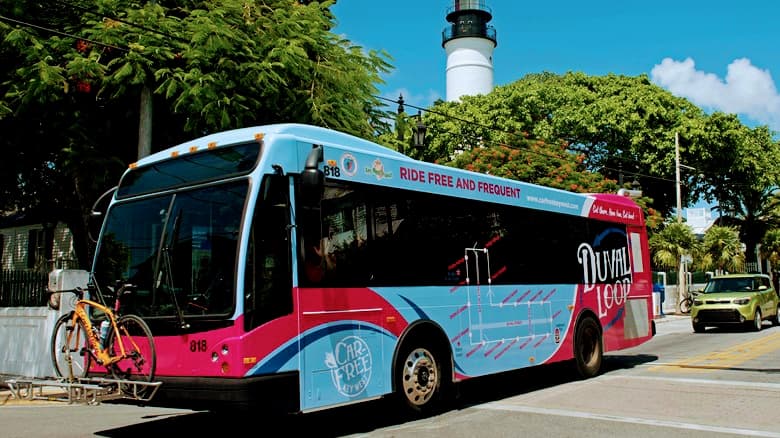
The City of Key West moved the Duval Loop off fixed-route operation on January 2, replacing the familiar loop buses with Key West Rides on-demand at the same stop locations. Riders now summon app-based vehicles that match multiple passengers headed in the same direction into a single trip; the service charges $2 per ride and links to other transit options including the Lower Keys Shuttle.
City officials said the on-demand service will carry passengers directly to destinations without a need to transfer, and that the technology can combine riders to create quick and efficient shared trips. Existing Duval Loop stops will continue to be served under the new arrangement. To download the app, search for "Key West Rides" in your app store.
For daily commuters, hospitality workers, older residents and visitors who used the Duval Loop for short trips along Duval Street and surrounding areas, the shift alters how people plan travel. An app-based model can reduce wait times and eliminate transfers for some trips, but it also depends on smartphone access, app literacy, and reliable network coverage. Those factors matter in Monroe County where seasonal tourism, shift work in service industries, and limited parking put a premium on accessible transit.
Policy implications are immediate. The City has moved a public fixed-route into a demand-responsive model that uses public right-of-way and serves core downtown corridors. That raises questions about performance monitoring, data transparency and equitable service. Officials should provide clear metrics on response times, vehicle availability, peak-hour capacity, hours of operation and ridership numbers so residents and elected officials can evaluate whether the change meets public needs and fiscal expectations.

Accessibility and equity will be central to community assessment. The on-demand model must meet Americans with Disabilities Act obligations, accommodate riders without smartphones and maintain predictable service for riders who rely on fixed schedules for medical appointments, work shifts and school. The transition also warrants public reporting on fares, subsidies and any contractual arrangements with private operators to ensure accountability.
As the new service settles in, residents should confirm how on-demand vehicles operate during early mornings, late nights and high-tourist periods, and follow city updates for any adjustments. Local leaders and transit administrators should publish performance data and operational details so voters and civic groups can assess whether this model improves mobility for all Monroe County residents.
This article was produced by Prism’s automated news system from verified source data, official records, and press releases, then run through automated quality and moderation checks before publishing. The system is built and supervised by the people who set the standards it runs under. Read our full AI policy.
Did this article answer your question?