Key West Ted turns island life into a local brand
Key West Ted turned island familiarity into a brand by pairing real estate with photography, local trust and a story rooted in Key West itself.

The island is the product
Ted Stewart, known locally as Key West Ted, has built a brand around a simple idea: in Key West, place is not just a backdrop, it is the business. His story works because it does not treat real estate as a detached transaction. It treats the island’s character, history and daily rhythms as the asset that gives his name value in the first place.
That matters in Monroe County, where reputation travels fast and local credibility can mean as much as a marketing budget. Stewart’s appeal comes from making Key West itself part of his identity, then turning that identity into something visible, searchable and shareable across the local market.
From world traveler to local signal
Stewart’s own biography says he lived and traveled around the world before deciding that Key West was the place he wanted to call home. That detail gives his brand its core narrative: not a native son who never left, but someone who compared other places against Key West and chose the island deliberately.
His branding materials also say real estate has played a role throughout his life and later became his everyday focus. The Spottswood Team describes him as someone who followed a successful engineering career before moving into real estate, which adds another layer to the story. He is not just selling houses. He is selling a version of Key West filtered through reinvention, technical discipline and long exposure to different places.
How the brand reaches people
The audience for this kind of brand is not one audience at all. It includes longtime residents, seasonal buyers, second-home shoppers and people who follow Key West online because they are drawn to its architecture, weather, culture and pace. Stewart’s photography and social media presence help widen that circle by presenting the island as both a real place and a visual narrative.
That is where the brand becomes more than self-promotion. By sharing vivid images of Key West architecture, culture and everyday island life, Stewart positions himself as a storyteller, not only a salesperson. In a market like this, that distinction matters because people often choose an agent based on whether they believe that person truly understands the island rather than simply knows how to advertise it.

Why local partnerships matter
Stewart’s public identity is tied to Truman & Co. Real Estate Services and the Spottswood Team, and those affiliations are part of the mechanics of the brand. In a small market, brokerage connections do more than provide a logo. They signal professional legitimacy, network reach and day-to-day involvement in the local business community.
His Zillow profile adds more concrete scale. It lists him as licensed in Florida and Pennsylvania, with 19 sales in the last 12 months and 33 total sales. It also shows a price range of $455,000 to $4.3 million and an average price of $1.6 million. That spread suggests a business that moves across different segments of the market, from entry-level to high-end island property, while still relying on the same personal brand to hold it together.
Community credibility is the real currency
The strongest part of Stewart’s profile is the way it links business to belonging. In Key West, personality is not a superficial add-on. It is often the first test of trust. A broker who understands the island’s social fabric, its historic streets and its visual identity has a better chance of becoming a familiar name rather than just another listing agent.
That is where community credibility becomes a form of capital. Stewart’s presence in the island’s everyday social world helps make his brand feel local rather than imported. The article framing around him works because it shows a person who is not standing outside the community and describing it. He is inside it, participating in it and using that participation to reinforce the brand.
The built environment is part of the message
Key West’s historic character is not just scenery for Stewart’s photos. It is part of the product he is helping sell. The Key West Art & Historical Society says its mission is to preserve the culture, art, structures and artifacts of the island, which captures the broader context in which Stewart works. The island’s historic buildings, dense neighborhoods and distinctive streetscape are not incidental. They are among the reasons people care enough to buy, follow and identify with Key West in the first place.
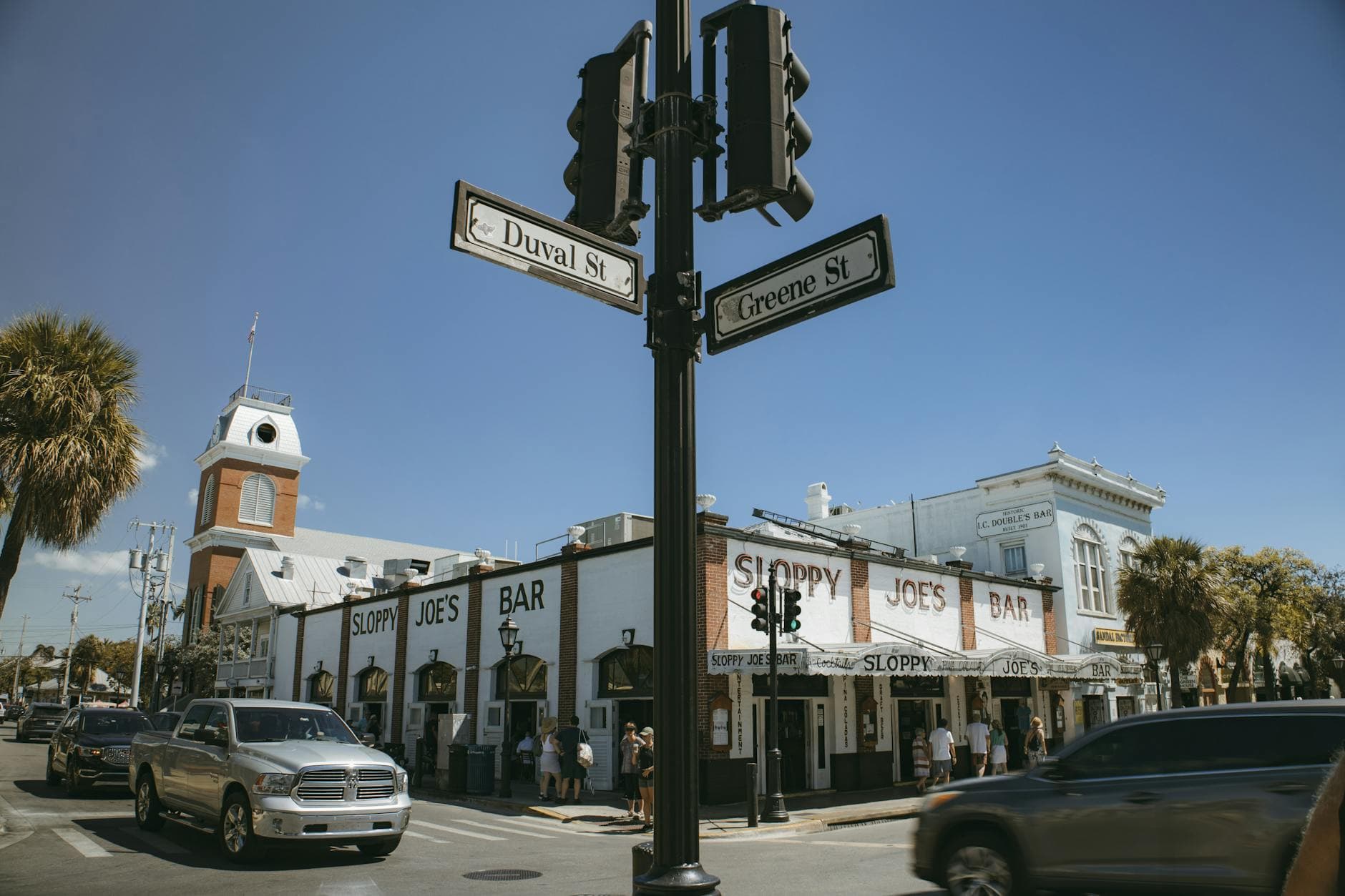
That gives his visual storytelling a practical edge. When he photographs architecture and island life, he is also documenting the qualities that make Key West recognizable and valuable. For buyers, that creates a sense of place. For residents, it reinforces a shared visual language. For Stewart, it creates a feedback loop in which the island’s character becomes both content and commerce.
What the Monroe County market says about the opportunity
The local market is substantial enough to support that kind of brand work. Zillow lists 1,928 homes for sale in Monroe County, Florida, which underscores how active and competitive the real estate environment remains. In a market with that much inventory, individual agents need more than access to listings. They need a story that helps people remember them.
Stewart’s story does exactly that by tying business performance to place-based identity. He is not presented as a generic broker with a polished headshot. He is Key West Ted, a name that folds the island into the person and the person into the island. That naming strategy helps him stand out in a crowded field where familiarity, trust and local fluency are often worth more than broad marketing language.
A model for the local creator economy
Stewart’s brand also says something larger about the Florida Keys. The local creator economy does not only belong to artists, influencers or media personalities. In a place like Key West, it can also belong to professionals who understand that visual storytelling, audience building and community credibility can support a service business.
That is why his success reads as more than a profile of one agent. It is a case study in how island life itself can become a brand, if the person behind it is visible enough, credible enough and rooted enough in the community to make that brand stick. In Monroe County, where place is destiny more often than marketing jargon admits, that is a powerful business model.
This article was produced by Prism’s automated news system from verified source data, official records, and press releases, then run through automated quality and moderation checks before publishing. The system is built and supervised by the people who set the standards it runs under. Read our full AI policy.
Did this article answer your question?