Keys Marine Laboratory Opens Doors, Showcases Reef Restoration and $60M Expansion
Keys Marine Lab in Layton opened its doors March 7, giving the public a rare look inside its coral restoration work and a $60 million expansion campaign.
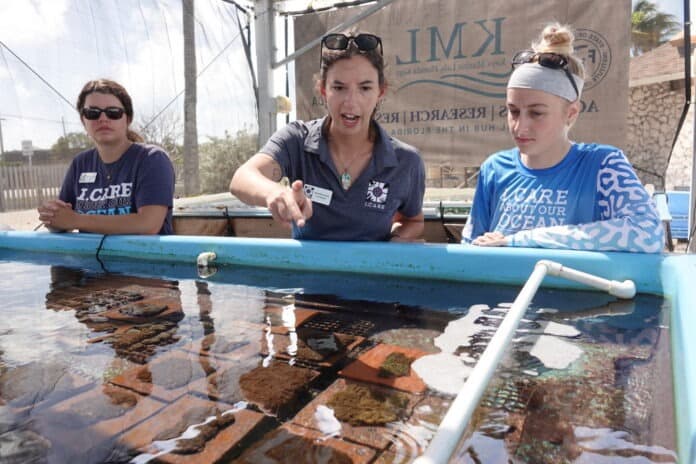
Behind the brown fence in Layton, Keys Marine Laboratory threw open its gates on March 7 for its annual public open house, offering two hours of hands-on access to one of the Florida Keys' most consequential marine science facilities and the first public look at a $60 million campaign to modernize and expand its operations.
Staff and volunteers guided visitors through the lab's sea water systems, coral propagation setups and partner exhibits from 1 p.m. to 3 p.m. Eight organizations set up booths and interactive displays: the Florida Institute of Oceanography, FWC Fish and Wildlife Research Institute, Coral Restoration Foundation, I.CARE, Reef Renewal USA, REEF Conch Republic Marine Army, the Surfrider Foundation's Florida Keys chapter and ReefStarter.
Cindy Lewis, speaking with Good Morning Keys on Keys Talk 96.9/102.5FM ahead of the event, described what visitors could expect. "There will be demos on site, lots of people to talk to, walk around, see our sea water systems and see what goes on there," Lewis said. "Doors open at one o'clock and go till three. So two hours to walk around, talk to everybody. We usually have between 200 and ..." The quote trails off in the broadcast transcript, but Lewis noted the open house serves as the primary opportunity for the public to engage with work that otherwise happens out of public view.
On a typical year, Keys Marine Laboratory hosts about 150 research groups, translating to roughly 800 researchers and students cycling through its facilities. Since its founding in 1992, more than 245 organizations from over 40 U.S. states and 29 countries have used the lab's services, according to the laboratory. It operates as the southernmost campus of the University of South Florida under the management of the Florida Institute of Oceanography, functioning as a full-service marine field station with dedicated on-site scientific support.
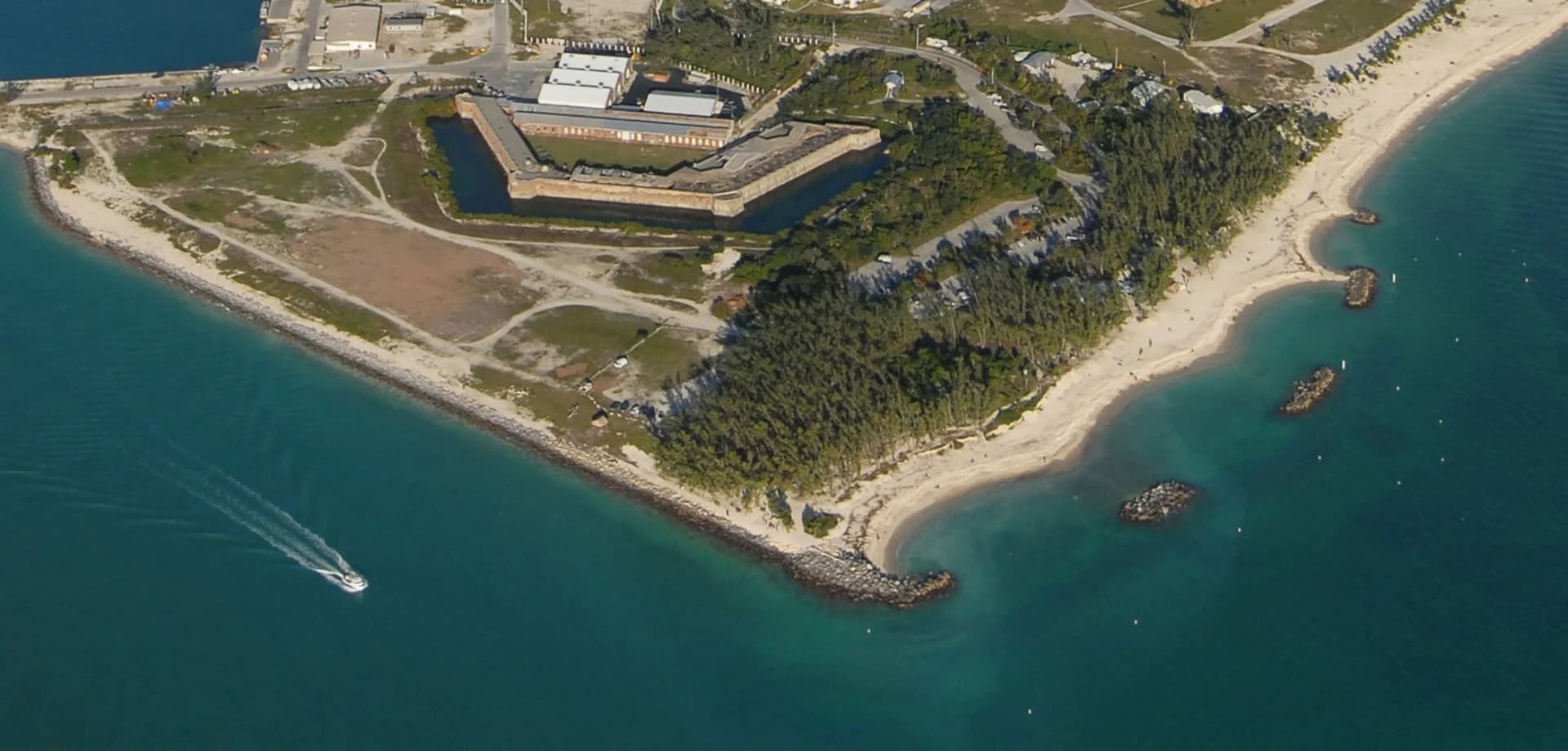
The lab's four-vessel fleet gives researchers and students direct access to both the ocean reef and the Everglades. Lewis described the geographic advantage plainly: "The Everglades is literally a mile behind the lab. We have easy access to the Everglades in Florida Bay and then right under the bridge and around the corner, and we're out on the ocean side, so we have access to both very easily from the lab." The fleet includes a 30-foot Island Hopper capable of carrying 22 snorkelers with two captains aboard, two 25-foot Parkers and an 18-foot Parker used primarily for research diving and smaller groups.
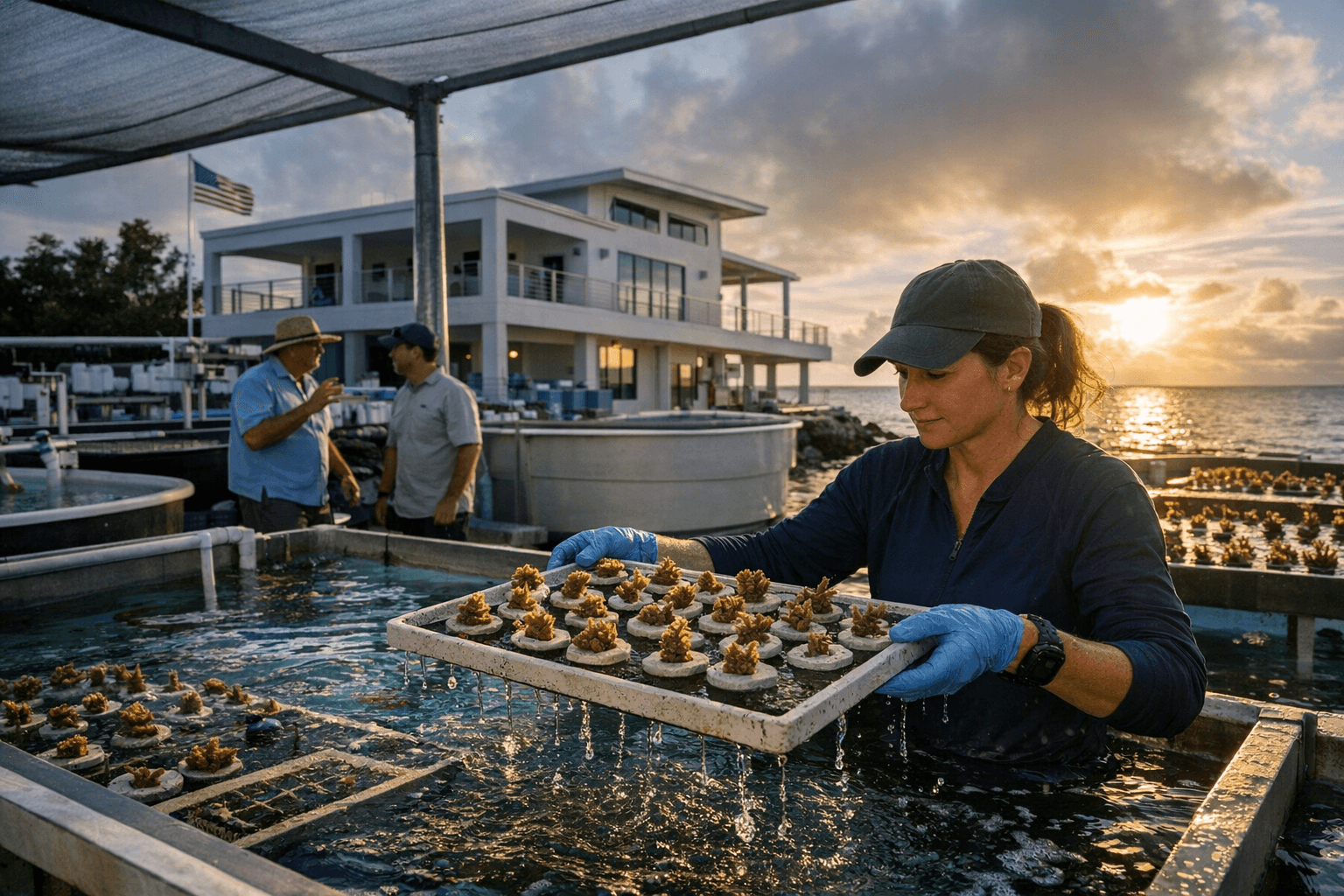
The $60 million campaign, which the laboratory has launched to address what it describes as the evolving environmental challenges facing the oceans, would fund three specific additions: storm-resistant temporary housing for students and faculty, new teaching and research laboratories, and lecture and seminar rooms. The existing facility has operated for more than 30 years without the kind of hardened infrastructure that sustained fieldwork in a hurricane-prone environment demands.
For those who missed the March 7 open house, Mote Marine Laboratory and Aquarium is hosting its own reef-focused public event, Ocean Fest: A Community Celebration, on April 25 from 11 a.m. to 4 p.m. at Truman Waterfront Park in Key West. Proceeds from that event support Mote's coral reef research and restoration programs.
This article was produced by Prism’s automated news system from verified source data, official records, and press releases, then run through automated quality and moderation checks before publishing. The system is built and supervised by the people who set the standards it runs under. Read our full AI policy.
Did this article answer your question?