Lower Keys Guides Plan Community Cleanup to Protect Coastal Health
The Lower Keys Guides Association will host its annual Get Trashed Marine Debris Cleanup on Sunday, January 11, 2026, inviting fishing guides, anglers, families and residents to remove shoreline and on water trash. The free event matters for Monroe County because removing debris reduces hazards to people and wildlife, supports the local fishing economy, and highlights gaps in waste management that require policy attention.

The Lower Keys Guides Association is organizing its annual Get Trashed Marine Debris Cleanup on Sunday, January 11, 2026, bringing together fishing guides, anglers, families and residents for a combined shoreline and on water effort. The event is free and open to the public, and participants may arrive by boat or by car. Collected debris will be staged on the grassy lawn behind Sugarloaf Lodge for proper disposal.
Organizers say the event will include free food and drinks and community competitions named "Weirdest Piece of Trash" and "Biggest Trash Item". Support from Ocean Conservancy and Sugarloaf Lodge is part of the effort to coordinate volunteers and disposal logistics. The community focus aims to make a visible impact on local shorelines while providing a low barrier to participation for residents and visitors.
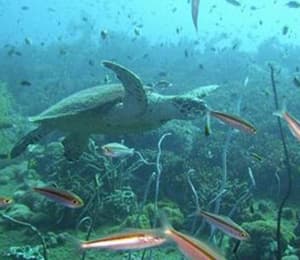
Marine debris is more than an eyesore. It creates physical hazards for swimmers and boaters, entangles and injures wildlife, and contributes to microplastic contamination in fish and shellfish that are part of the local diet and economy. For Monroe County, where commercial and recreational fishing and tourism are major livelihoods, periodic cleanups can reduce immediate risks but cannot substitute for sustained waste management and prevention policies.
The cleanup offers short term benefits and also underscores longer term needs. Persistent litter and derelict gear point to gaps in upstream waste collection, stormwater management and producer responsibility. Public health officials note that community cleanups build awareness and strengthen social ties, yet equitable solutions require investment in infrastructure and policy changes that reduce the flow of debris into coastal waters.
Participation by local guides and anglers connects occupational safety with environmental stewardship. Proper disposal at the event will help keep hazardous items out of the environment and reduce the burden on municipal services. Residents who want to take part can arrive by boat or car on the event day and join volunteers on shore or on water.
As Monroe County plans for resilience in the face of rising coastal pressures, community cleanups like Get Trashed are a civic tool and a conversation starter. They remove trash today and point toward public health and policy actions that would prevent trash from reaching shorelines tomorrow.
This article was produced by Prism’s automated news system from verified source data, official records, and press releases, then run through automated quality and moderation checks before publishing. The system is built and supervised by the people who set the standards it runs under. Read our full AI policy.
Did this article answer your question?