Monroe County approves neighborhood improvement program, hardship deferral plan
Monroe County moved ahead with a neighborhood improvement program and a hardship deferral plan, pairing future assessments with a safety valve for residents under pressure.
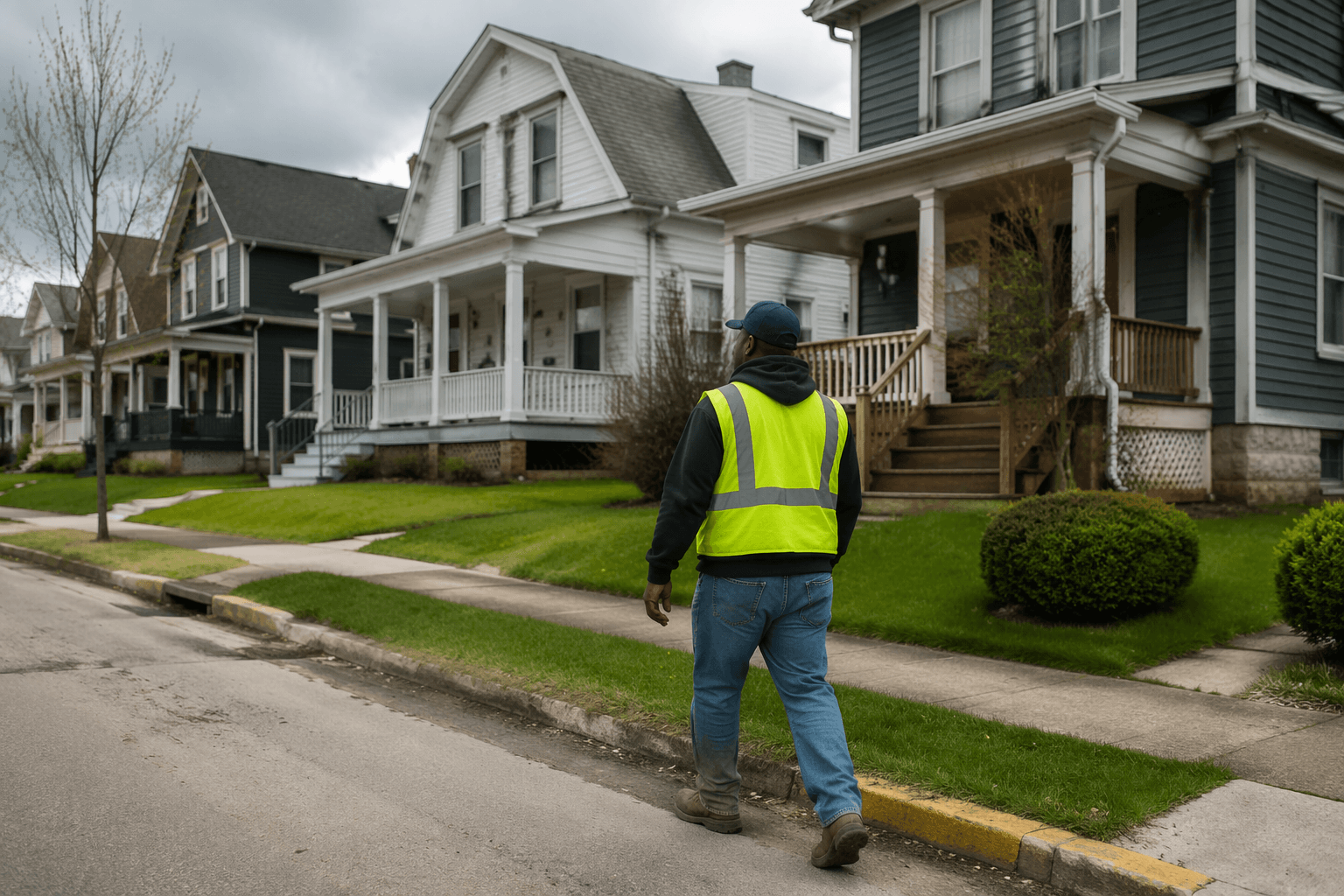
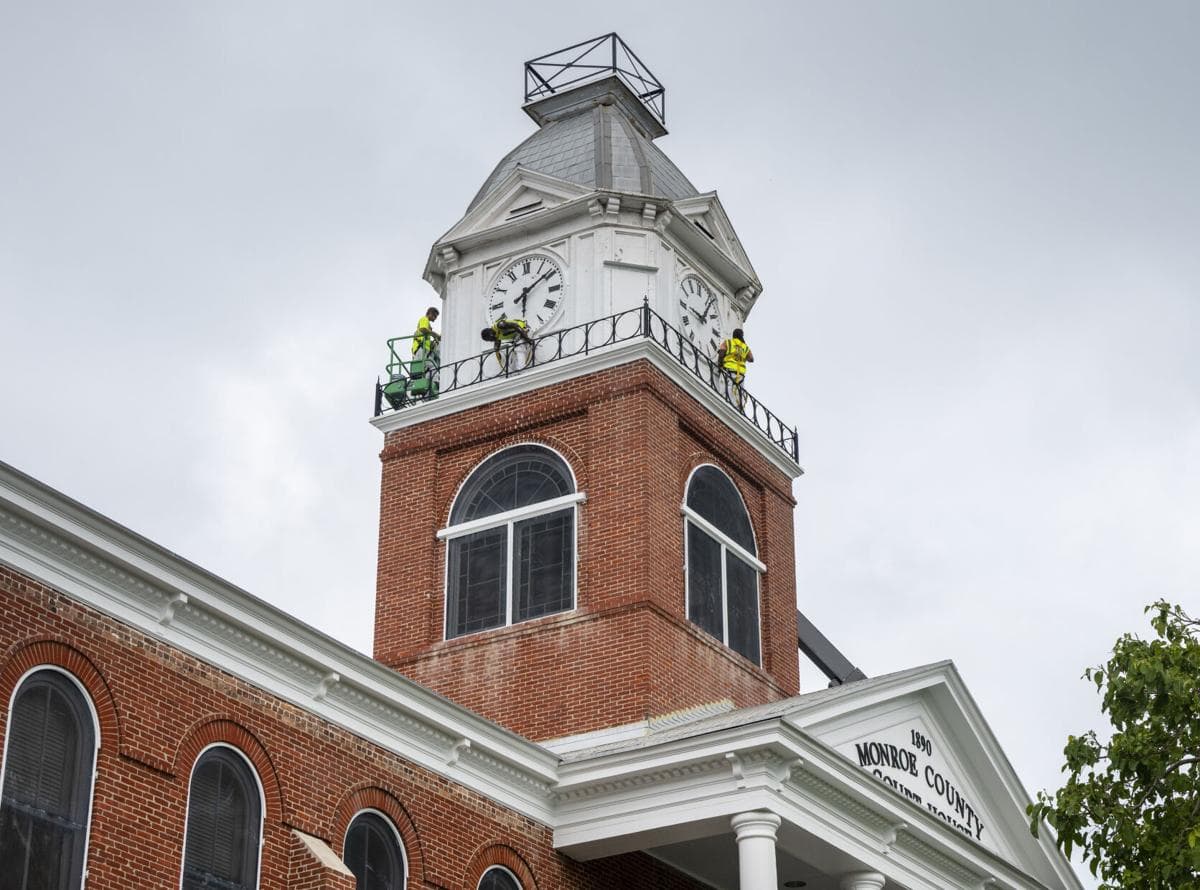
Monroe County moved ahead with a Residential Neighborhood Improvements Program and a companion Financial Assessment Hardship Deferral Program, giving property owners a new county tool for funding neighborhood work while softening the blow for households in financial distress. The action lands squarely in the pocketbooks of Monroe County homeowners, where assessments can quickly turn from a line item into a housing-stability issue.
The county already operates an MSBU Neighborhood Improvement Program on its official website, and it defines an MSBU, or Municipal Service Benefit Unit, as a special assessment district created for a specific area to fund projects. That framework shows the county is extending an established special-assessment model rather than inventing a new one from scratch, with the new residential program fitting into a broader approach that ties neighborhood improvements to property-based financing.

Monroe County also says its Property Assessed Clean Energy program was adopted in 2018 to provide an alternative funding option for projects that increase energy efficiency. Together with the new residential improvement plan, it underscores how often the county turns to assessment-style financing to pay for work that benefits specific property owners rather than the entire tax base. Monroe County’s tax collector also offers alternative payment options for property taxes, another sign that local officials have been building multiple payment paths for residents who need more time or flexibility.
The hardship deferral part of the new package is likely to draw the sharpest attention from homeowners who worry about being priced out of their own neighborhoods. In the Florida Keys, where storm exposure, aging infrastructure and high living costs make routine maintenance more expensive, a deferral option can mean the difference between keeping up with an assessment and falling behind on it. The county has been investing in other neighborhood and resilience projects as well, including the Tavernier Breakwater Project, which will install 2.5- to 4-foot boulders across a 1,500-foot jetty span damaged by Hurricane Irma.
The county’s 2026-2027 federal legislative priorities are also posted on its website, reflecting a policy environment in which resilience, neighborhood upkeep and affordability are moving together. For Monroe County property owners, the key issues now are how soon improvements will begin, how the deferral will be administered, and whether the program protects vulnerable residents without simply postponing the bill.
This article was produced by Prism’s automated news system from verified source data, official records, and press releases, then run through automated quality and moderation checks before publishing. The system is built and supervised by the people who set the standards it runs under. Read our full AI policy.
Did this article answer your question?