Monroe County Balances Tourism, Conservation at Dry Tortugas
Dry Tortugas National Park is a remote Monroe County asset that draws visitors for Fort Jefferson, snorkeling, and seabird colonies, while its distance and fragility demand careful management. Local residents, officials, and business owners face choices about access, enforcement, and funding to protect reefs and historic resources while sustaining tourism revenue.

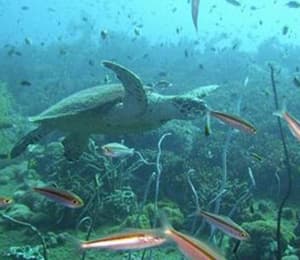
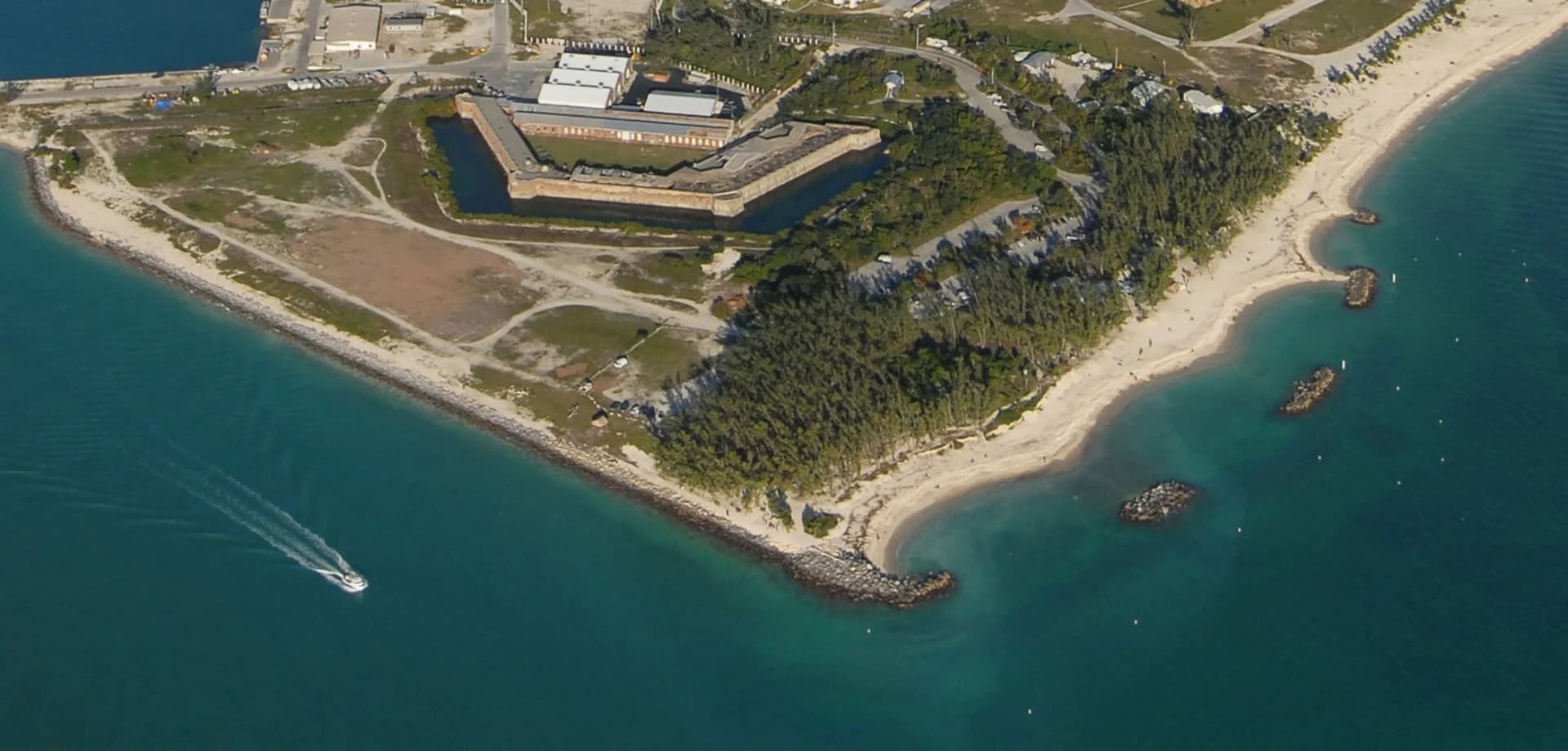
Dry Tortugas National Park spans nearly 100 square miles of marine and island habitat about 70 miles west of Key West. The park's signature attractions include the vast 19th century Fort Jefferson, world class snorkeling and diving, and nesting seabirds on the islands. Access is limited and deliberate, with regular ferry service from Key West taking roughly two and a half to three hours each way, in addition to seaplane and private boat options. The park also issues overnight camping permits for Garden Key, and residents who want to camp must reserve permits early.
The park's remoteness shapes local policy and economic dynamics. Ferry and seaplane seat availability during the high season from December through April constrains visitor flows and concentrates demand. That pattern delivers concentrated tourism dollars to Monroe County businesses, but it also creates pressure on fragile coral, nesting birds, and the Fort Jefferson structure. Management decisions by the National Park Service intersect with county priorities on visitor services, enforcement of marine protections, and emergency response planning for weather related delays.
Boating transit through Monroe County waters to the park requires adherence to local sanctuary regulations and speed zones intended to protect manatees and sea turtles. Officials must balance enforcement resources against the economic imperative to keep marine corridors open for private vessels that contribute to the local economy. Permitting for primitive camping and rules prohibiting collection of coral and shells, and restrictions on approaching wildlife, are central to conservation outcomes and reflect institutional choices about how to prioritize long term preservation versus short term visitation.
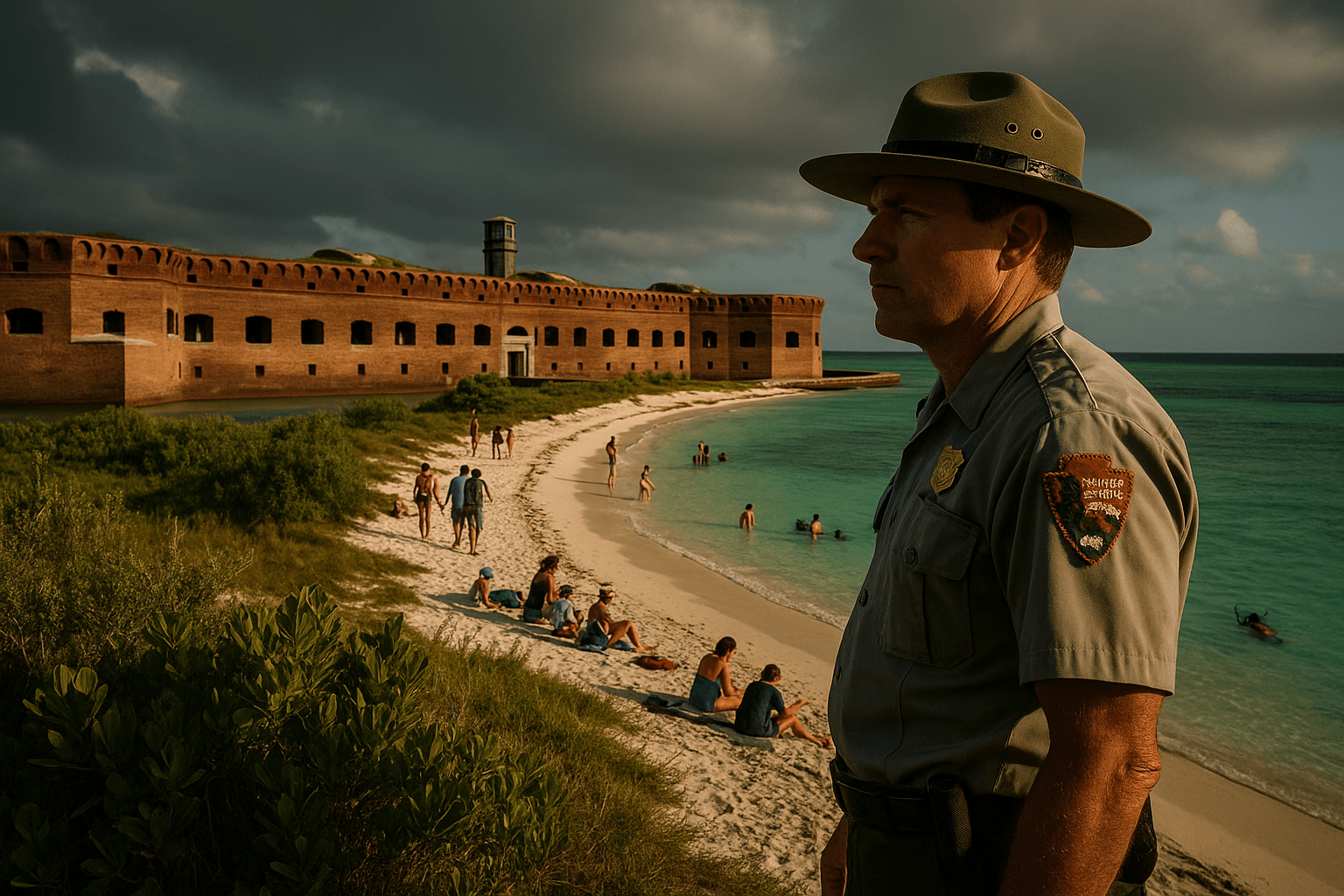
For residents and local leaders the park is both an economic engine and an asset that requires stewardship. Policy choices on funding for enforcement, education for visitors, and investment in resilient transport and weather contingency systems will determine whether the county can sustain tourism while protecting natural and cultural resources. Practical advice for would be visitors includes bringing ample water food and sun protection, checking forecasts and park alerts before departure, and using mooring buoys rather than anchoring on reefs. For current operational details and reservations contact the National Park Service Dry Tortugas National Park.
This article was produced by Prism’s automated news system from verified source data, official records, and press releases, then run through automated quality and moderation checks before publishing. The system is built and supervised by the people who set the standards it runs under. Read our full AI policy.
Did this article answer your question?