Monroe County Boaters, Divers urged to File Float Plans, Check Conditions
A float plan left on shore narrows a Keys search area fast. Coast Guard stations in Islamorada (305-664-8077) and Marathon (305-743-1991) keep watch on Channel 16.
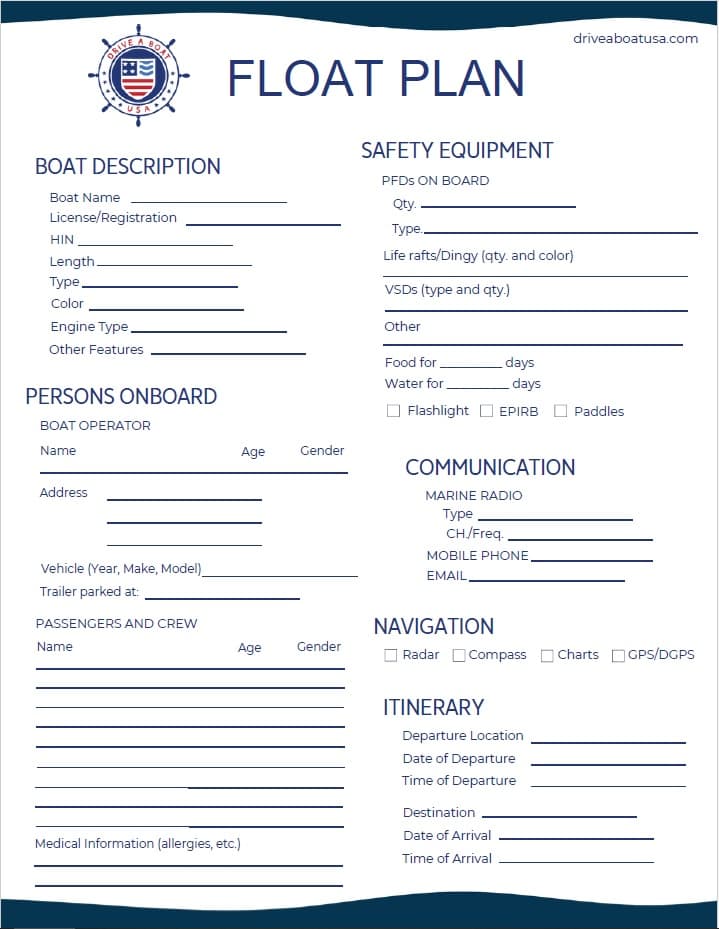
Filing a float plan before heading out on Keys waters takes five minutes and can cut search times dramatically in a rescue operation. Monroe County's emergency responders, from U.S. Coast Guard small-boat stations in Islamorada, Marathon, and Key West to Monroe County Fire Rescue's Trauma Star air ambulance service, make clear that the simplest preparatory steps routinely determine outcomes in aquatic emergencies.
A float plan is a written document left with a responsible person on shore detailing the vessel description, intended route, number of people aboard, and estimated return time. For dive trips, it should include the boat name and the expected dive site. When a vessel or diver fails to return on schedule, dispatchers use that information to narrow search areas immediately.
Before departure, verify that life jackets fit and are accessible, the bilge pump and battery are functional, and both the VHF radio and GPS are operational. Dive operators should carry emergency oxygen aboard and confirm that divers' regulators and cylinders have current hydrostatic and visual inspection certifications, along with redundant air sources. The National Weather Service marine forecast and any active special marine warnings should be the last thing checked before casting off; Keys weather, wind, and tidal currents can shift faster than a trip itinerary.
On the water, a diver-down flag must be displayed whenever anyone is below the surface, and passing vessels are required to slow and steer clear of the flagged area. Dive boats should surface at a safe distance from other marine traffic and brief every diver on ascent protocols and safety stops before heading out. Alcohol and boating or diving don't mix: impaired judgment underwater or at the helm raises collision risk and limits the ability to respond to fast-moving hazards.
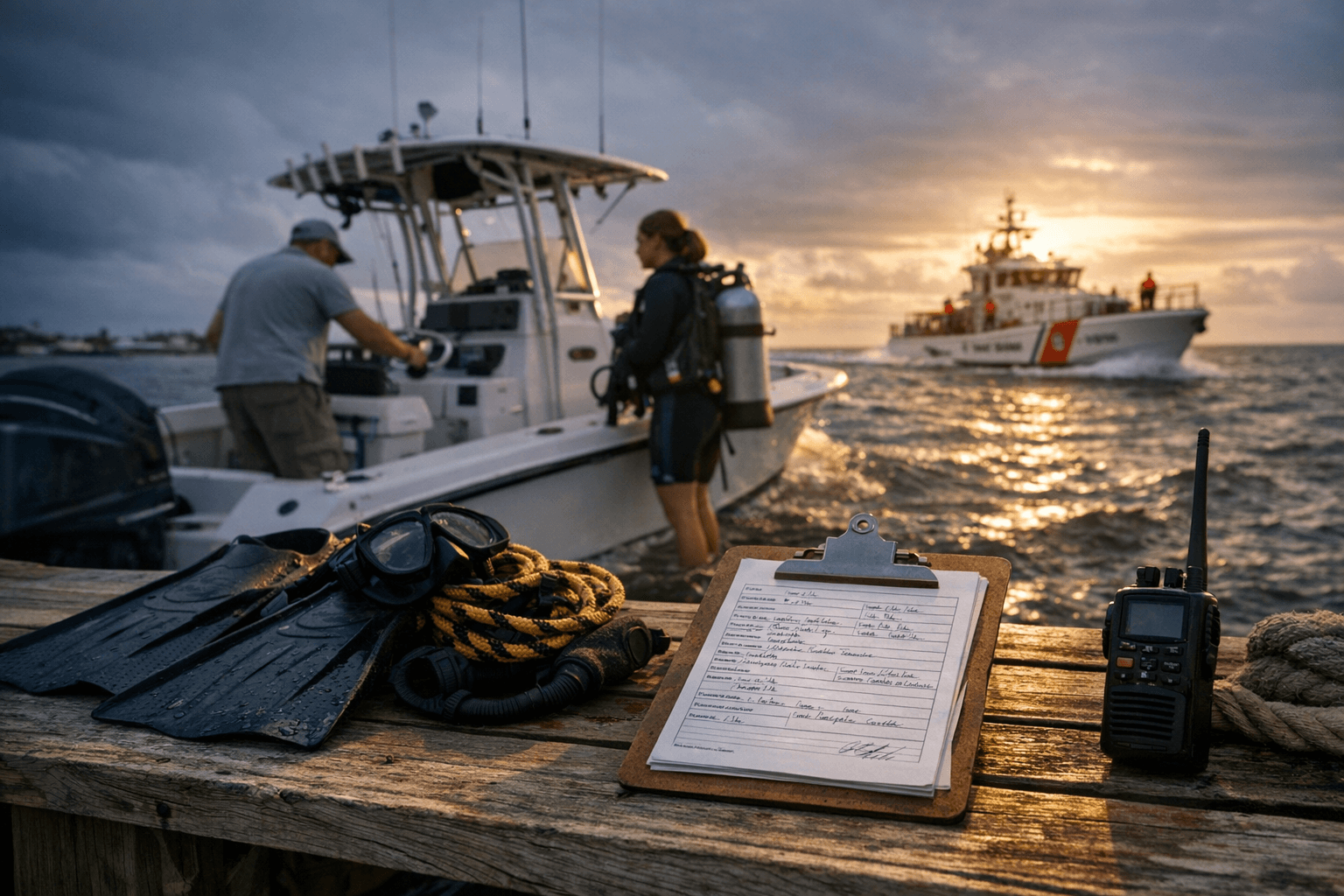
VHF Channel 16 is the primary distress and hailing frequency, connecting directly to the Coast Guard. For onshore emergencies, 911 reaches local dispatch. The Sector Key West small-boat stations covering Monroe County waters are reachable directly: Station Islamorada at 305-664-8077 and Station Marathon at 305-743-1991, with Station Key West coordinated through Sector Key West. Offshore boaters should consider adding a Personal Locator Beacon or satellite communicator as a backup to the VHF radio.
When a diving injury or suspected decompression illness occurs, administer 100% oxygen immediately if available and arrange medical evacuation without delay. Prompt evaluation at a hyperbaric recompression facility can determine whether a diver makes a full recovery or suffers permanent injury. Monroe County Fire Rescue provides EMS throughout the Florida Keys and operates Trauma Star air ambulances for critical patients who need rapid transport.
The Keys' strong tidal flows, hard limestone bottom structure, and heavy boat traffic create a maritime environment that punishes unpreparedness quickly. Checking conditions, inspecting gear, filing a plan, and knowing which numbers to call before leaving the dock are the steps that make rapid rescue possible when conditions turn.
This article was produced by Prism’s automated news system from verified source data, official records, and press releases, then run through automated quality and moderation checks before publishing. The system is built and supervised by the people who set the standards it runs under. Read our full AI policy.
Did this article answer your question?