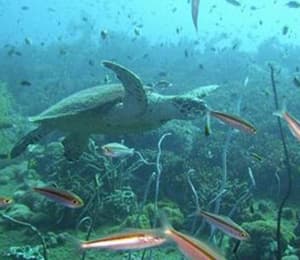
Monroe County Florida Keys Offer World-Class Snorkeling, Scuba Diving Across 120 Miles
From Key Largo to the Dry Tortugas, Monroe County's 120-mile reef chain puts nurse sharks, hammerheads, and vibrant coral within reach of every skill level.
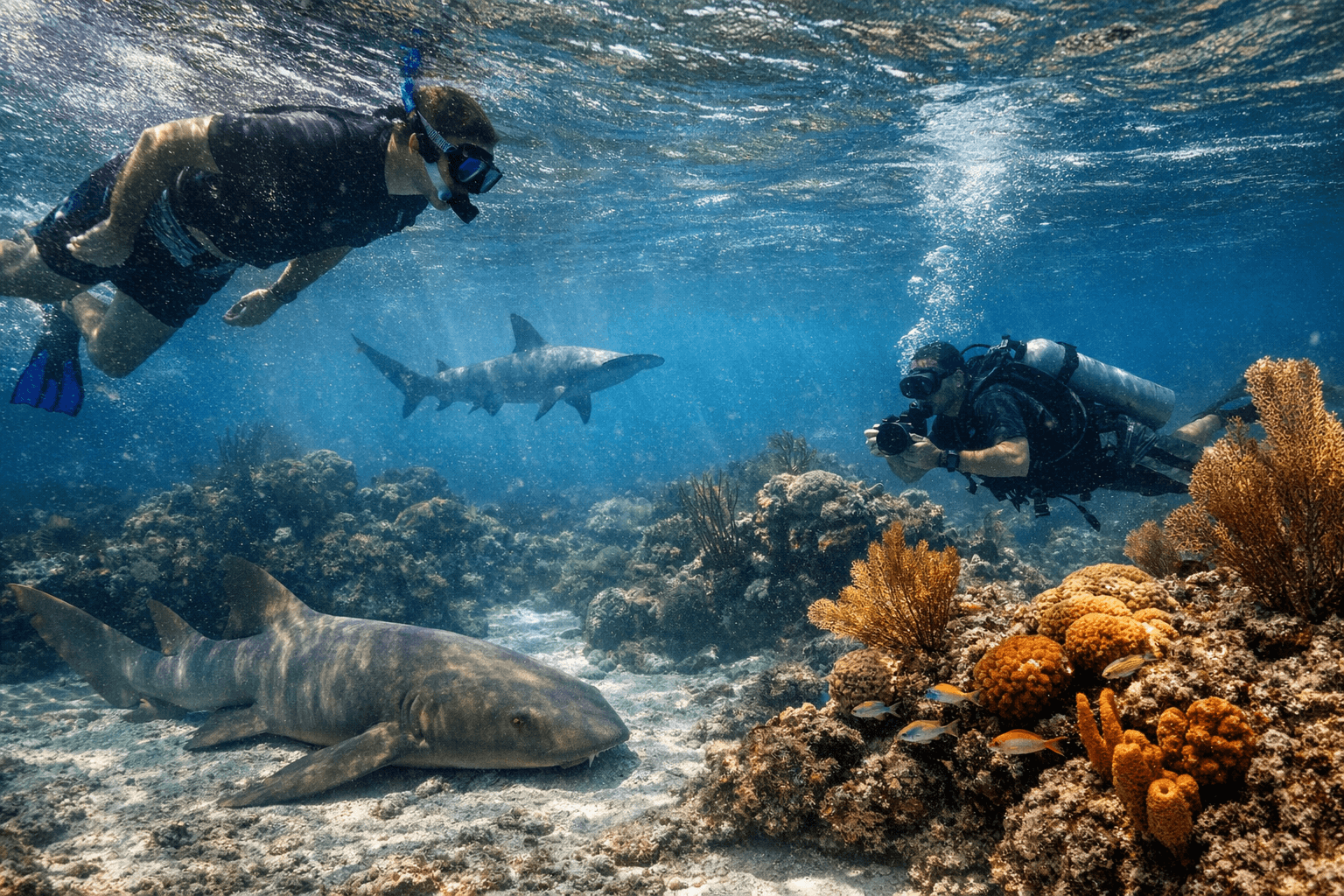
Stretching roughly 120 miles from Key Largo in the Upper Keys down to Key West and out to the Dry Tortugas, Monroe County sits atop one of the most extraordinary underwater ecosystems in the Western Hemisphere. The geography alone is staggering: a thin arc of islands flanked on both sides by warm, clear water, offering everything from shallow reef snorkels accessible to first-timers to deep wreck dives that draw experienced scuba divers from around the world.
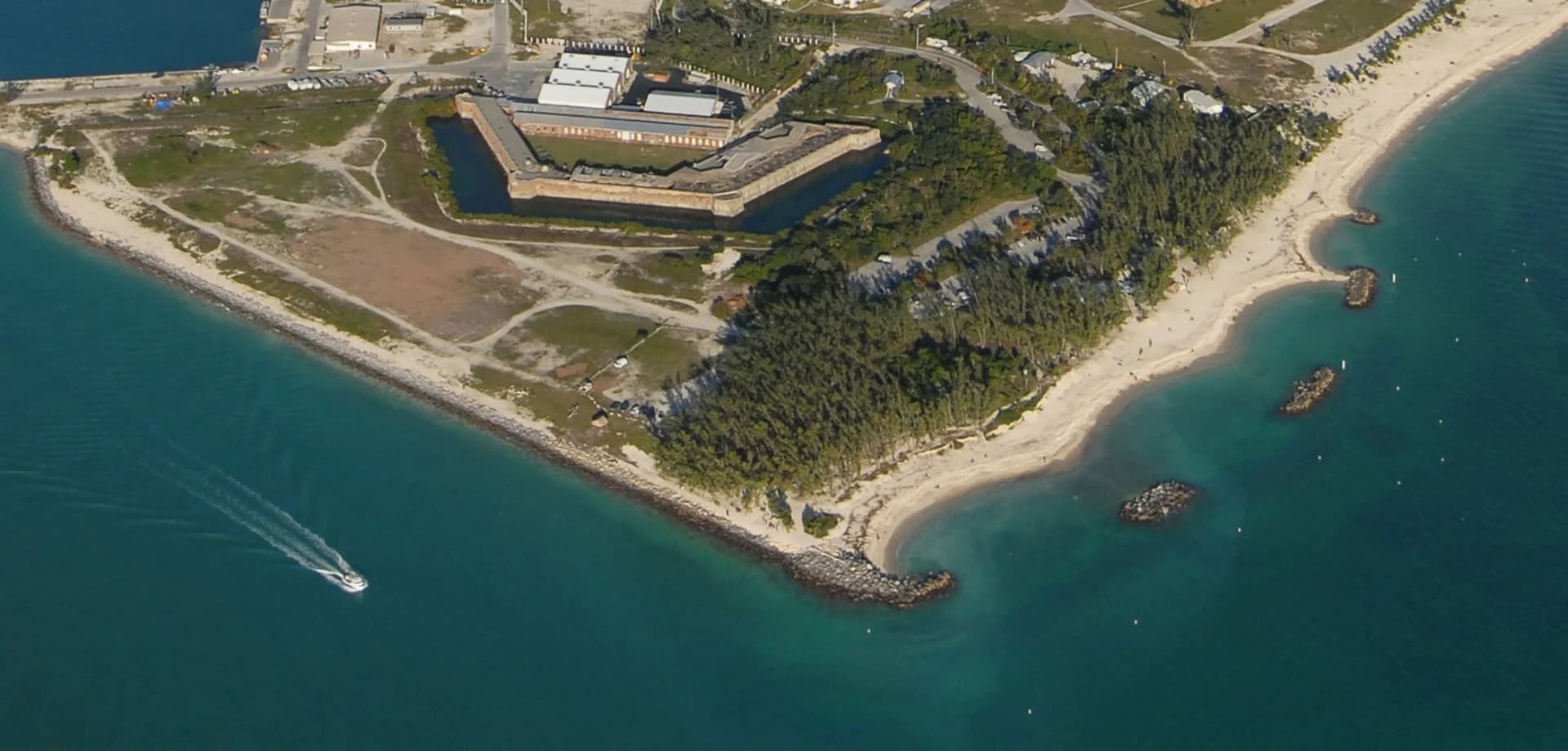
Shore diving in Key West: Fort Zachary Taylor Historic State Park
On the southern tip of Key West, Fort Zachary Taylor Historic State Park delivers one of the most accessible snorkeling experiences in the county. The park's beach opens directly onto clear water with a variety of marine life, making it a practical first stop for anyone who wants to get underwater without booking a charter. If you didn't pack your own gear, the park's concession stand rents snorkel equipment on site; otherwise, bring your own mask, snorkel, and fins, find a stretch of beach, and you're in.
Shore snorkeling here is genuinely rewarding, but the offshore reefs push the experience into another category entirely. Sand Key, Rock Key, and Western Sambo are the named destinations that draw tour boats out of Key West, and each offers its own distinct underwater landscape and marine life. Boat tours running half-day and full-day itineraries depart regularly, most arriving with snorkel gear, instruction, and experienced crew already on board, which makes the logistics straightforward whether you're an absolute beginner or someone logging their hundredth dive.
When planning which tour fits your schedule, factor in the time of year, current weather conditions, and your own comfort level in the water. The range of available tours means you're rarely locked into a single format; the Key West market is deep enough that half-day options exist alongside full-day excursions, and pricing spans a wide range.
Cottrell Key and the Mule Keys: wildlife refuge waters
Nine miles west of Key West, sitting as the northernmost island in the Mule Keys chain, Cottrell Key operates in a different register altogether. The island falls within the boundaries of the Key West National Wildlife Refuge, placing it in the Outlying Islands of the Florida Keys and giving it a remoteness that the more trafficked reef sites lack.
The marine life here is the draw. Cottrell Key is known for a diversity of shark species that is unusual even by Keys standards: nurse sharks, reef sharks, lemon sharks, and hammerhead sharks have all been documented in these waters. Stingrays are a common sight as well, and an encounter with one while snorkeling can be genuinely striking. That said, awareness matters. Stingrays carry real risk if disturbed, and anyone snorkeling at Cottrell Key should take precautions to avoid being stung, including staying alert to their surroundings and avoiding sudden movements near animals resting on the bottom.
Because Cottrell Key sits in a national wildlife refuge roughly nine miles offshore, reaching it requires boat access. Prospective visitors should confirm current refuge rules before planning a trip, as access restrictions and permit requirements for refuge islands can affect whether private boats or commercial charters are permitted at specific locations.
Planning across 120 miles
The scope of Monroe County's underwater offerings resists any single itinerary. Key Largo anchors the Upper Keys and serves as the traditional northern gateway to the reef; Key West and its surrounding outlying islands occupy the southwestern end of the chain; and the Dry Tortugas, reachable by ferry or seaplane, extend the reef system even further into the Gulf of Mexico. Each zone carries its own character, its own seasonal rhythms, and its own mix of species.
A few planning principles hold across the full 120-mile stretch:
- Time of year shapes visibility and marine-life activity, so research conditions for your specific destination before booking.
- Weather in the Keys can shift quickly; build flexibility into your schedule, particularly for boat-dependent offshore sites.
- Your own experience level should guide site selection: shore snorkeling at Fort Zachary Taylor suits beginners, while the offshore reefs at Sand Key, Rock Key, and Western Sambo reward swimmers comfortable in open water, and the shark-dense waters around Cottrell Key call for situational awareness and ideally some prior open-water experience.
- Most organized tours include gear, instruction, and crew guidance, which lowers the barrier significantly for newcomers.
The Florida Keys Marine Sanctuary, which overlays much of this geography, protects the coral and marine life that make these sites worth visiting. That protection is part of why the reef system remains viable for snorkeling and diving decades after similar reefs elsewhere have degraded. The rules that come with sanctuary status, including restrictions on anchoring and marine life interaction, exist to keep the experience intact for the people who come after you.
From the easily walkable beach at Fort Zachary Taylor to the shark-populated refuge waters around Cottrell Key, Monroe County's underwater geography rewards both the casual day-tripper and the diver who plans a trip specifically around what lives beneath the surface. The 120-mile stretch is long enough to spend a week exploring and still leave sites unchecked.
This article was produced by Prism’s automated news system from verified source data, official records, and press releases, then run through automated quality and moderation checks before publishing. The system is built and supervised by the people who set the standards it runs under. Read our full AI policy.
Did this article answer your question?