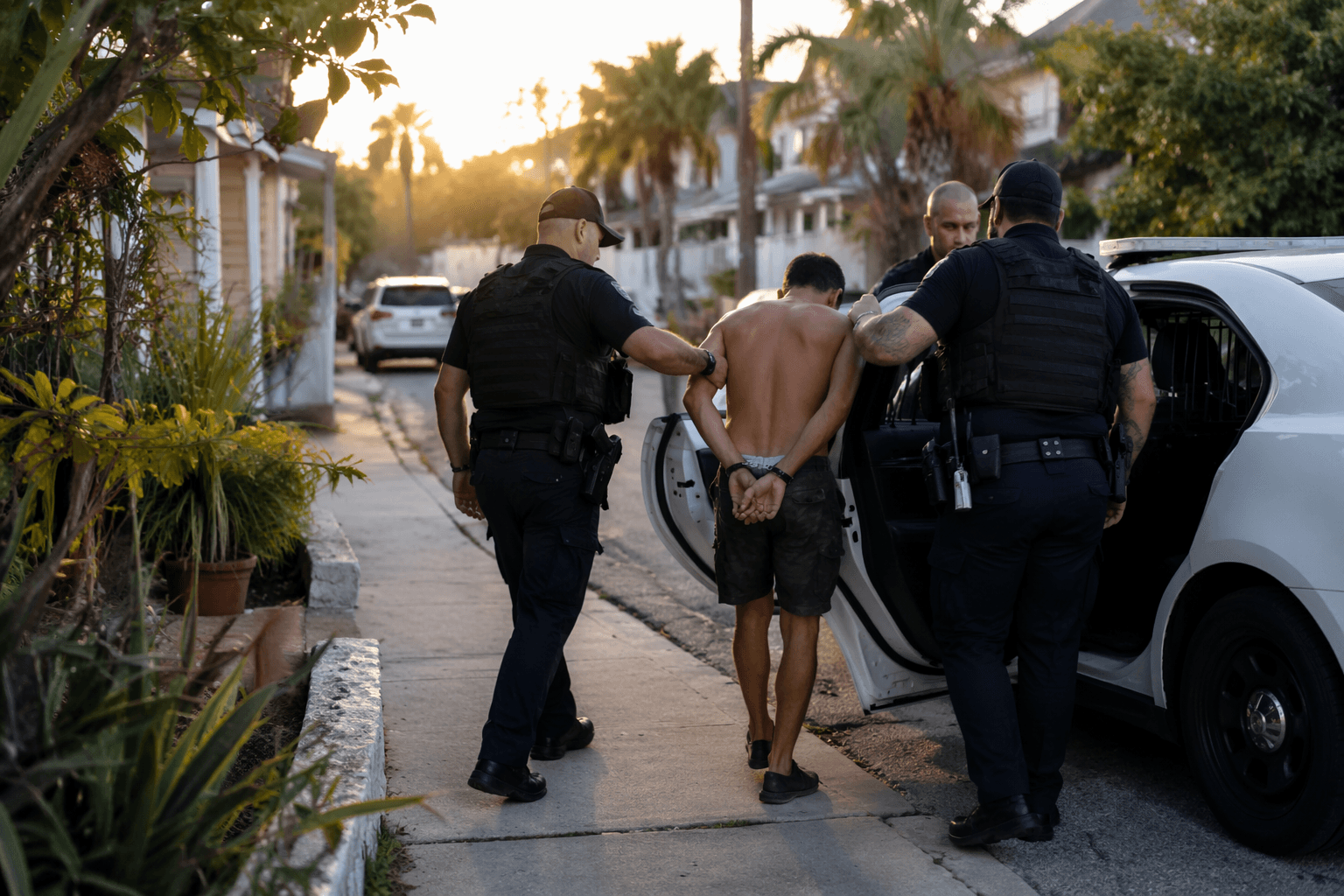
Monroe County leaders warn DeSantis tax plan could cut key services
Monroe County said DeSantis’ tax plan could squeeze sheriff patrols, fire rescue and hurricane readiness in a county where $156 million comes from property taxes.
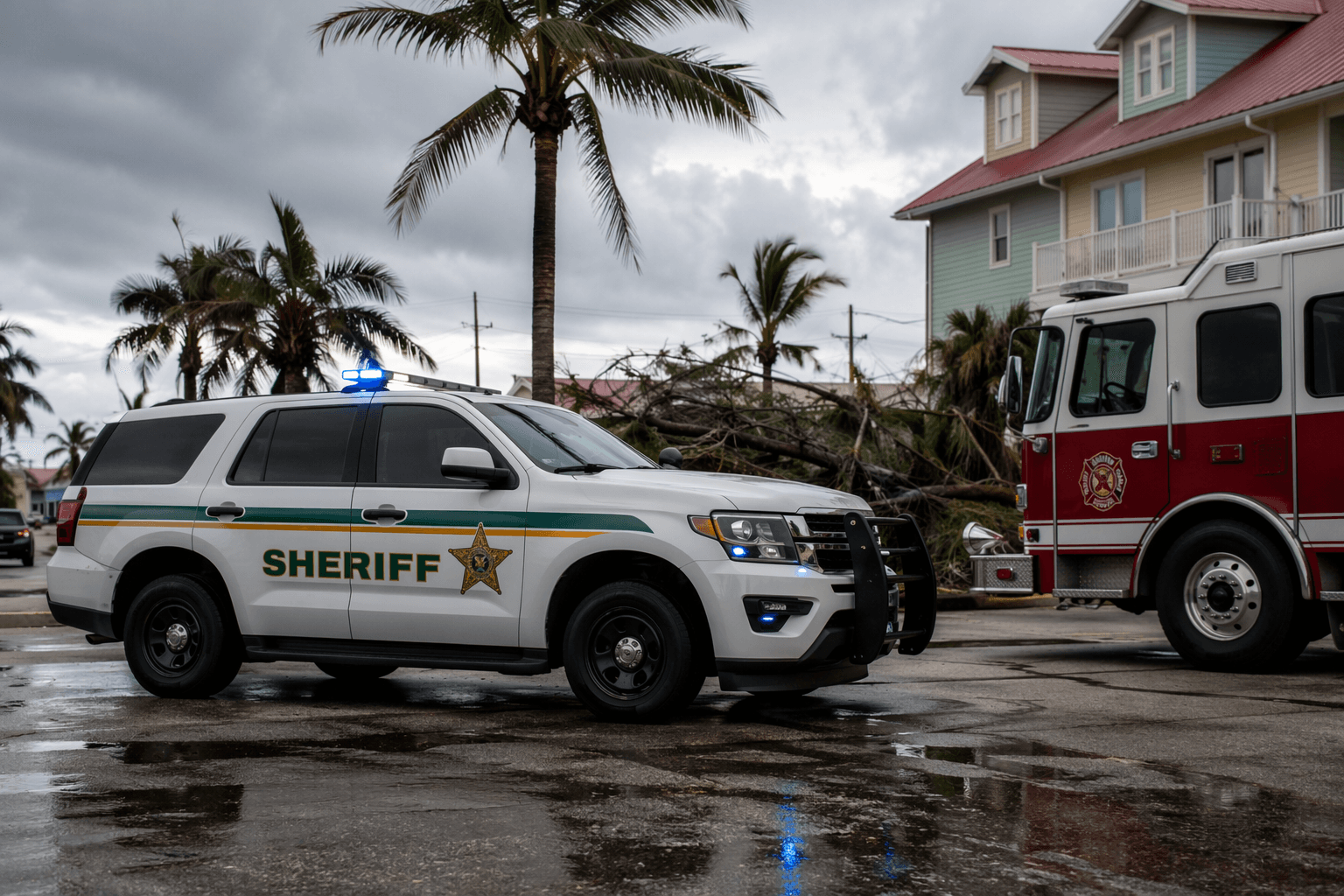
Monroe County leaders warned that Gov. Ron DeSantis’ property-tax relief plan could hit the Keys where it hurts most: sheriff patrols, fire rescue, emergency response and hurricane readiness. County Mayor Michelle Lincoln sent a letter Friday to Florida lawmakers as the special legislative session opened in Tallahassee, pressing them to rethink a proposal the governor has branded “Save Our Homes from Excessive Property Taxes” and filed in the Senate as SJR 2-F.
The county said the problem is not just whether homeowners pay less at tax time, but what gets left behind if homestead taxes are narrowed too far. Under the proposal, the state would raise the homestead exemption first and then move toward full elimination through general law. Monroe County officials argued that the plan’s definition of “core” services is too narrow for an island county that depends on local government for more than roads and trash pickup. They said it could leave out Medicaid and juvenile justice cost-sharing, veterans services, affordable housing, libraries, parks, flood resilience, disaster recovery, information technology that supports 911 and emergency operations, and even basic functions tied to budgeting, legal work, elections and tax collection.
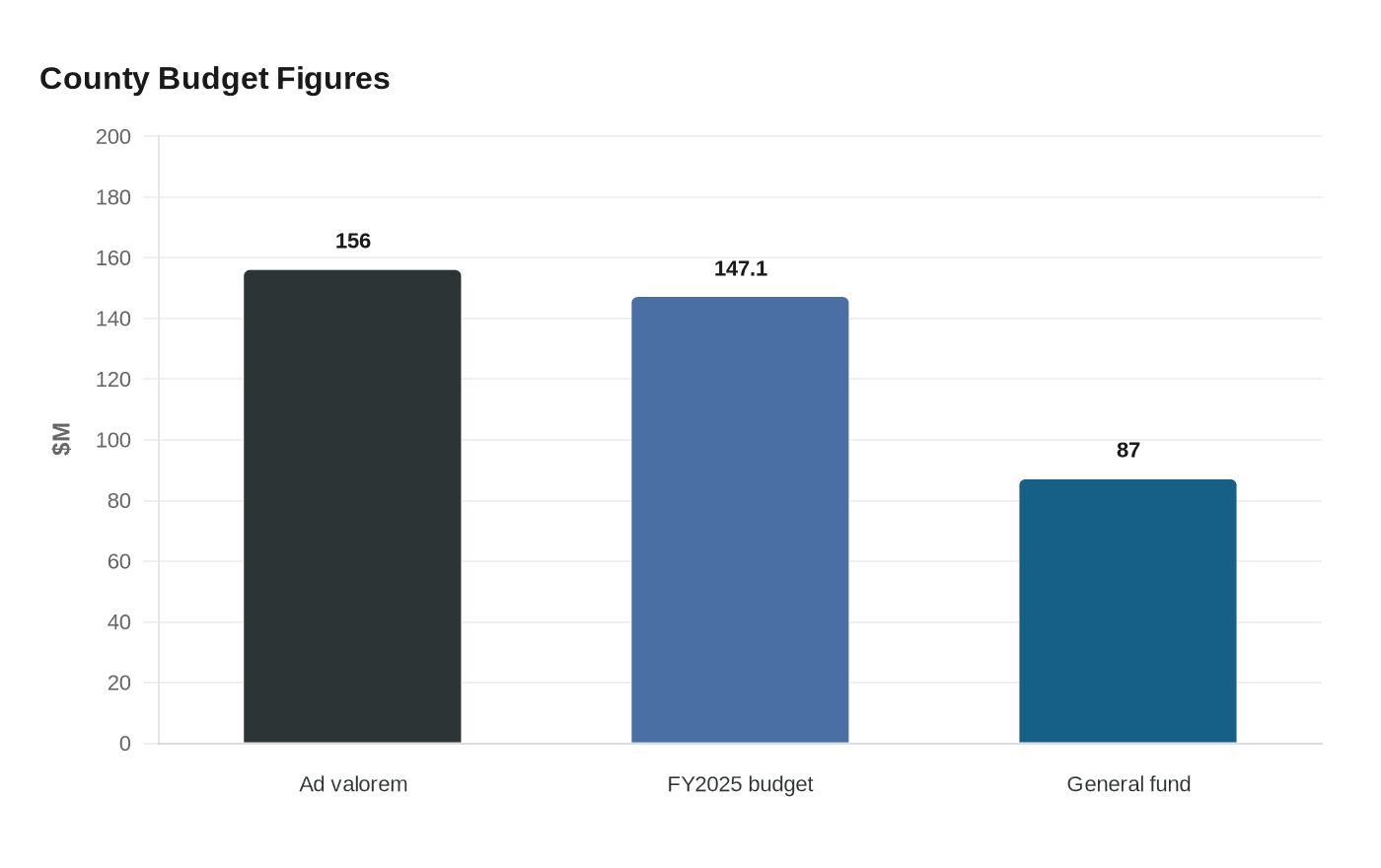
That warning lands with extra weight in Monroe County, where the budget is already built around public safety and constitutional offices. County budget materials say $156 million in ad valorem revenue funds the county, with 70.8 percent of that money going to public safety and 22.2 percent going to constitutional officers’ operating costs. The county’s FY2025 adopted budget totaled $147.1 million, including an $87 million general fund. Officials said the county has already cut costs through departmental consolidations, 45 position reductions and cuts to non-core services.
At the same time, the county said it has kept investing in the basics residents notice most. Budget documents point to pay increases for EMS and law enforcement staff, a new fire station on Sugarloaf Key and maintenance and improvements at the detention center. In a county stretched across the Florida Keys, with long distances and a fragile transportation network, leaders said losing property-tax flexibility could force a choice between tax relief and the daily services that keep the islands functioning.
Monroe County’s 2026 legislative agenda says the county is closely watching property-tax changes because they could affect its most significant revenue source. The board’s leadership roster includes Mayor Jim Scholl, Mayor Pro Tem Michelle Lincoln and Commissioners Craig Cates, David Rice and Holly Merrill Raschein, with County Administrator Christine Hurley overseeing operations. For Monroe County, the debate is no longer abstract: if the state trims property taxes too sharply, the county says the cost could show up in slower response times, thinner patrols and weaker storm readiness when the Keys can least afford it.
This article was produced by Prism’s automated news system from verified source data, official records, and press releases, then run through automated quality and moderation checks before publishing. The system is built and supervised by the people who set the standards it runs under. Read our full AI policy.
Know something we missed? Have a correction or additional information?
Submit a Tip