Monroe County moves Big Pine Key habitat meeting to new location
Big Pine Key landowners will get answers on May 28 about what survives after the habitat plan expires and which permit reviews still control new development.
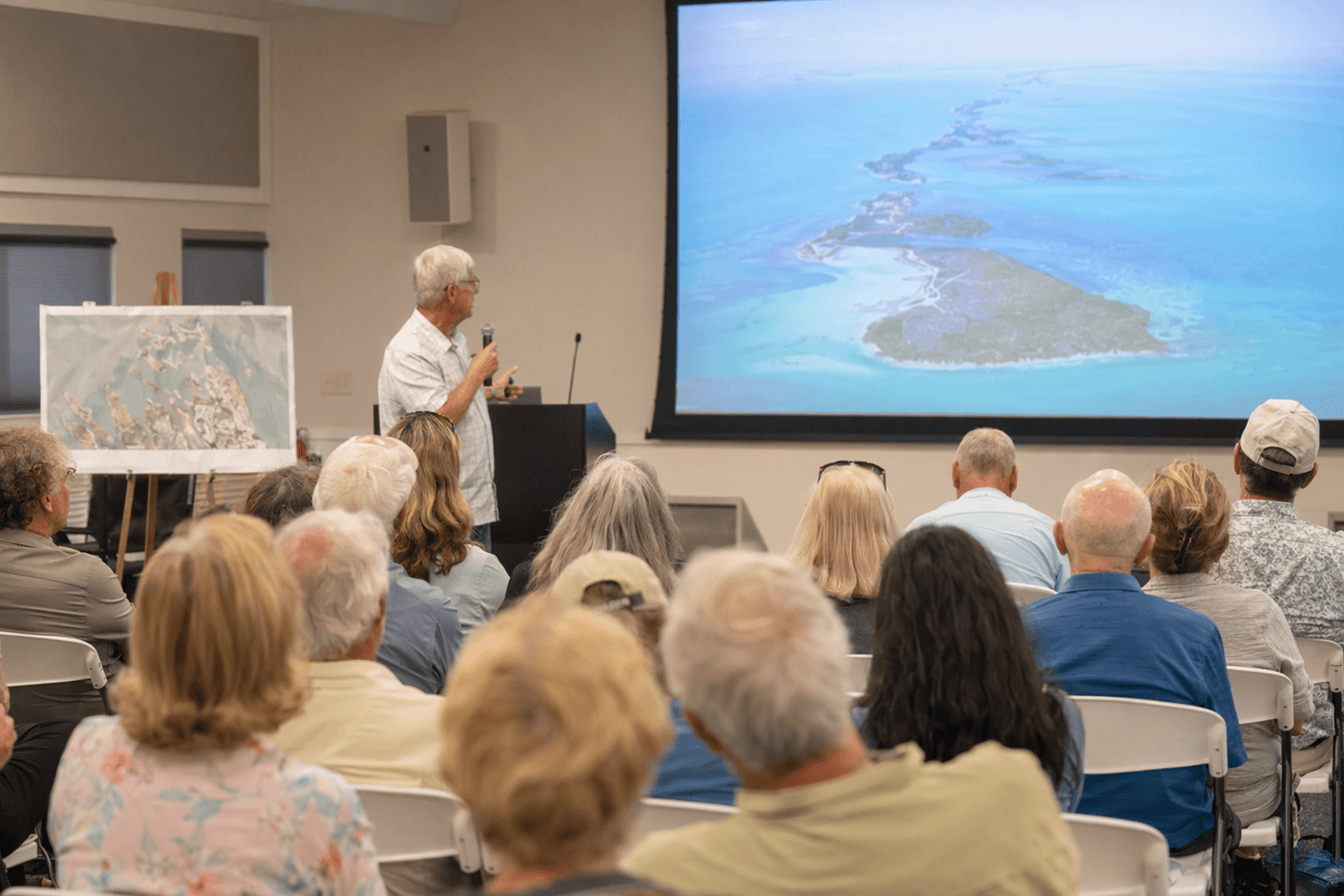
Big Pine Key homeowners, builders and landowners are about to get a clearer read on what still can be built, cleared or approved after Monroe County shifts away from its long-running habitat plan for Big Pine and No Name Key.
The county has moved its May 28 community meeting to the Big Pine Academy cafeteria on Big Pine Key, near the flea market property, replacing the originally scheduled St. Peter’s Church site. The session is set for 5:30 p.m. to 7:30 p.m. and is meant to walk residents through the next phase of the Big Pine Key Habitat Conservation Plan and the Incidental Take Permit as both move toward expiration.
The timing matters because Monroe County says the habitat conservation plan expired in 2023 and the permit is set to expire June 30, 2026. County staff are working with the U.S. Fish and Wildlife Service to move those permits into the countywide Permit Referral Process already used under the FEMA National Flood Insurance Program biological opinion. That shift could affect how property owners on Big Pine Key and No Name Key navigate reviews tied to endangered and threatened species protections for Key deer, Lower Keys marsh rabbit, American crocodile, Eastern indigo snake and Schaus swallowtail butterfly.
For residents watching redevelopment, the county says the biggest legal guardrails are not disappearing. Monroe County has said the maximum impacts set under the old HCP and permit framework will still apply, and that many of the habitat protection measures already appear in county code. County messaging also says the development controls in the HCP were tied to endangered-species mitigation, not to the county’s overall growth cap, which is handled through Rate of Growth Ordinance allocations in the Comprehensive Plan.
The Big Pine Key and No Name Key plan was approved by the Fish and Wildlife Service in 2006 after nearly a decade of planning. The agency called it the largest habitat conservation plan ever created in Florida. It covered about 7,031 acres in all, including 5,840 acres on Big Pine Key and 1,191 acres on No Name Key, and county materials say the two islands hold more than two-thirds of the Key deer population. The mitigation program included acquisition and restoration of more than 500 acres of high-quality habitat.
The county’s move into the Permit Referral Process also sits inside a larger federal permitting structure that Monroe County has used for years through the FEMA biological opinion for the National Flood Insurance Program. County materials link that process to the 2010 biological opinion and a December 2010 amendment that helped settle litigation over flood insurance and species protections in Monroe County.
Residents heading to the May 28 meeting will want to ask a simple set of questions: which permits now go through the referral process, what habitat-impact limits remain in place, whether existing applications will be treated under the old framework, and how the county will track cumulative impacts once the Big Pine Key and No Name Key permit structure fully changes. For property owners on the Lower Keys’ most sensitive ground, those answers will shape the next round of building and conservation decisions.
Know something we missed? Have a correction or additional information?
Submit a Tip